AnywhereDolphin™

Search Blog:
Share Article:


Do You Need Rubber Bands With Clear Aligners?
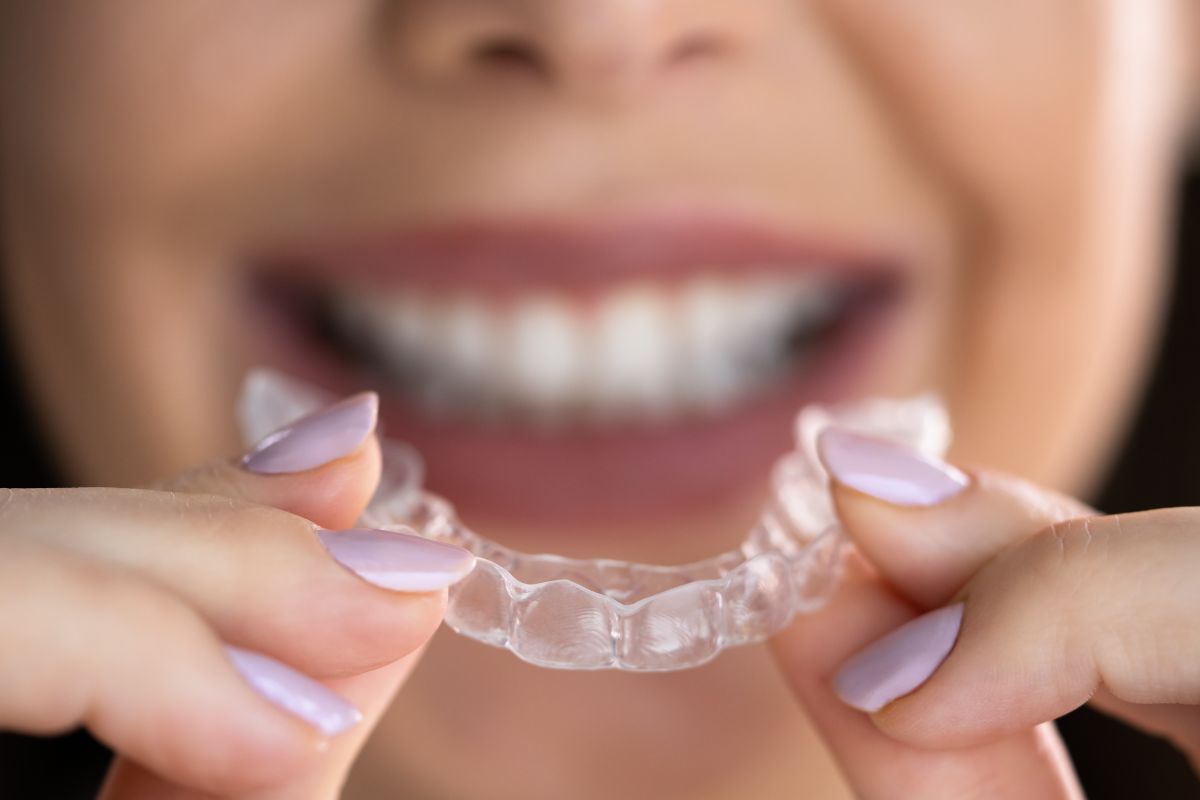
Clear aligners have transformed orthodontic treatment, making it easier and more discreet for people to achieve a straight smile. While these aligners are convenient, many wonder if they require extra tools, like rubber bands, to be effective. Rubber bands, also known as elastics, are a common addition in orthodontic treatment. But are they necessary with clear aligners? Here’s a closer look at when and why rubber bands might be used with clear aligners and what you can expect if they become part of your treatment plan.
Understanding the Role of Rubber Bands in Orthodontic Care
Rubber bands play a key role in adjusting the position of teeth and correcting jaw alignment. When used with braces, rubber bands create additional force, guiding teeth to move into a specific position. They are often necessary to address bite issues, such as overbites, underbites, or crossbites, which are not always corrected by braces or aligners alone. Rubber bands help align the upper and lower teeth, contributing to a balanced, healthy bite.
When Do You Need Rubber Bands With Clear Aligners?
Clear aligners are highly effective for many orthodontic cases, including crowding, gaps, and mild to moderate bite issues. However, some more complex cases may require rubber bands to provide additional movement and force. Here are a few situations where rubber bands may be needed:
- Correcting Bite Issues: For more significant bite corrections, rubber bands can enhance the aligners’ ability to align the jaw. By attaching rubber bands to specific points on the aligners, they help to gradually adjust the bite, making them essential in some treatment plans.
- Enhancing Precision of Tooth Movement: Aligners are designed to fit snugly over teeth, but rubber bands can add the extra force needed to move teeth precisely. For patients who need more refined movement, rubber bands are a valuable addition to aligner therapy.
- Treating Severe Overbites or Underbites: Severe bite issues often require the additional support of rubber bands to achieve full correction. Clear aligners can shift teeth into position, but rubber bands help adjust the upper and lower jaw alignment for an ideal bite.
Your orthodontist will evaluate your case and determine if rubber bands are necessary with your clear aligners. They’ll provide instructions on when and how to wear them if they’re part of your treatment.
How Do Rubber Bands Work With Clear Aligners?
If your orthodontist recommends rubber bands with your clear aligners, they’ll attach small hooks to your aligners or place anchor points on specific teeth. The rubber bands are then attached to these hooks to provide controlled, consistent pressure that helps guide your teeth and jaw into alignment. This extra force enhances the aligners’ effectiveness, helping them achieve better results.
The good news is that adding rubber bands doesn’t change the overall convenience of clear aligners. You’ll still be able to remove the aligners to eat, brush, and floss, but you’ll need to make sure to wear the rubber bands as instructed to keep your treatment on track.
Tips for Wearing Rubber Bands With Aligners
If rubber bands become part of your treatment, following your orthodontist’s instructions is essential to ensure optimal results. Here are some tips to help you wear rubber bands comfortably and effectively:
- Wear as Directed: Make sure to wear rubber bands for the recommended hours each day, usually at least 20 hours.
- Replace Daily: Rubber bands can lose their elasticity over time, so replace them daily to maintain the right level of force.
- Remove for Eating and Brushing: While you should remove rubber bands to eat, brush, and floss, remember to put them back on as soon as you’re finished.
- Keep Extras Handy: Rubber bands are small and easy to misplace. Keep extra packs at home, school, or work so you can replace them as needed.
- Be Gentle When Removing: Rubber bands can snap if pulled too quickly, so gently stretch them off your aligner hooks.
Following these tips can make wearing rubber bands with your aligners more manageable and help ensure your treatment stays on track.
Common Questions About Rubber Bands With Aligners
Will rubber bands make my aligners more noticeable?
Rubber bands are generally small and don’t add much bulk. They may be slightly visible but usually aren’t highly noticeable.
Do rubber bands make aligners uncomfortable?
Rubber bands may feel a little tight at first, but most patients adjust quickly. Any initial discomfort usually fades within a few days.
Can rubber bands speed up my treatment?
Yes, rubber bands can help make treatment more effective, which may reduce the time needed for alignment.
Using rubber bands with clear aligners is a simple but effective way to correct more complex alignment issues. If your orthodontist in Rochester, NY, suggests adding rubber bands to your clear aligner treatment, following their advice will ensure that you get the best results. Rubber bands are a helpful tool in creating a healthy, balanced smile and achieving your ideal bite.
At Bateman Orthodontics, we’re here to make your orthodontic journey as smooth as possible. Our team is dedicated to providing clear aligners in Rochester that fit your needs, whether your treatment requires additional tools like rubber bands or not. Contact us today to learn how we can help you achieve the smile you’ve always wanted.
Tags:
Posted on November 12, 2024