AnywhereDolphin™

Search Blog:
Share Article:


Common Bite Problems: Overbites, Underbites, and Crossbites Explained
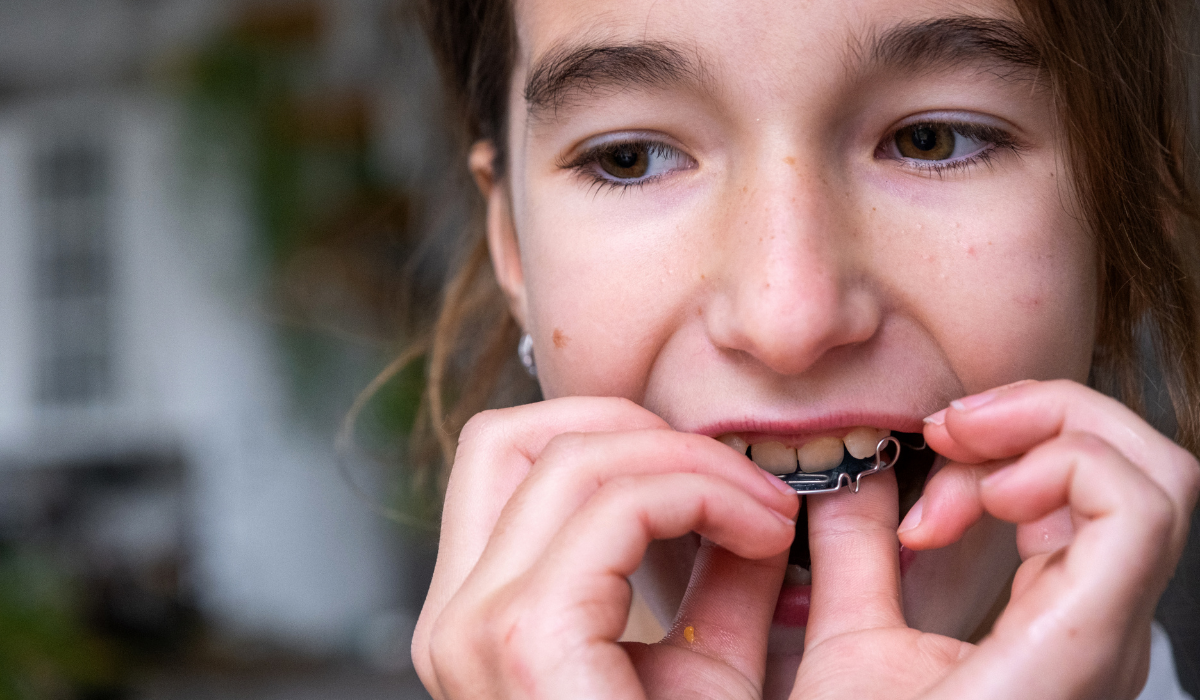
Most people think about straight teeth when they picture orthodontic treatment, but how your teeth fit together matters just as much as how they look. Bite problems, known as malocclusions, are more common than most people realize, and they often build up slowly without much notice. If you have been searching for an orthodontist in rochester to figure out what is actually going on with your bite, this guide will walk you through the three most common types and what treatment looks like for each.
At Bateman Orthodontics, we talk with patients across Brockport, Greece, and Irondequoit every week who are not sure whether what they are noticing is a real problem or just how their mouth has always been. The truth is, bite issues rarely fix themselves. Understanding the differences between an overbite, underbite, and crossbite is the first step toward a clear plan.
What Does “Bite Alignment” Actually Mean?
Bite alignment describes how your upper and lower teeth meet when your mouth closes. In a well-aligned bite, the upper teeth sit slightly in front of the lower teeth, and the molars fit together like puzzle pieces. When that relationship is off, even slightly, it can create uneven pressure across your teeth and jaw.
These issues can come from genetics, childhood habits like thumb sucking, early loss of baby teeth, or an injury. Left alone, bite problems can wear down enamel unevenly, strain the jaw joint, and sometimes affect speech or chewing. Catching them early, especially in children, often means simpler treatment down the road.
Overbite: When the Top Teeth Overlap Too Much
An overbite happens when the upper front teeth extend too far over the lower front teeth. A small amount of overlap is completely normal. The issue starts when that overlap becomes deep enough that the lower teeth press into the gum tissue behind the upper teeth or barely show at all when biting down.
Common signs include visible wear on the front teeth, a “gummy” smile, and lower teeth that seem to disappear when biting down. Overbites often come from genetics or long-term habits like thumb sucking during childhood.
Underbite: When the Lower Jaw Sits Too Far Forward
An underbite is essentially the opposite problem. Here, the lower teeth or jaw sit in front of the upper teeth when the mouth is closed. This is usually a skeletal issue rather than just a tooth positioning problem, which means the lower jaw itself has grown further forward than the upper jaw.
People with an underbite often notice trouble biting into food, a jaw that juts forward visibly, or speech that feels slightly affected. Underbites tend to be more noticeable than overbites and can sometimes need a combination of orthodontic treatment and jaw guidance, especially if caught during childhood while the jaw is still growing. Mild underbite cases are sometimes treated with invisalign rochester providers offer alongside other supporting appliances.
Crossbite: When Teeth Don’t Line Up Side to Side
A crossbite happens when some of the upper teeth sit inside, rather than outside, the lower teeth when biting down. It can affect just one tooth or an entire section of the mouth, and it comes in two main forms. An anterior crossbite involves the front teeth, while a posterior crossbite involves the back teeth, usually the molars or premolars.
Left untreated, a crossbite can cause the jaw to shift toward one side over time, leading to uneven wear, jaw soreness, and sometimes facial asymmetry. Because it affects jaw function, not just appearance, it is one of the bite problems most worth addressing early.
Side-by-Side: Comparing the Three Bite Problems
Since these three conditions get confused often, here is a simple breakdown to help tell them apart.
| Bite Type | What Happens | Common Signs | Typical Cause |
| Overbite | Upper front teeth overlap lower teeth too much | Gummy smile, worn front teeth | Genetics, thumb sucking |
| Underbite | Lower teeth or jaw sit in front of upper teeth | Jutting jaw, trouble biting food | Skeletal growth pattern |
| Crossbite | Upper teeth sit inside lower teeth in some areas | Jaw shifting, uneven wear | Narrow jaw, tooth crowding |
A quick exam is usually the fastest way to know exactly which type you or your child may be dealing with, and how severe it is.
How These Bite Problems Get Treated
Treatment depends on age, severity, and whether the cause is dental or skeletal. Here is a general overview of what your provider might recommend.
- Braces. Traditional braces remain one of the most reliable tools for moderate to severe bite correction of any type. Among braces rochester families choose, traditional metal or ceramic options still offer the most control for complex cases.
- Clear aligners. For mild to moderate cases, invisalign rochester patients often choose gives a discreet, removable option that still delivers real results.
- Palatal expanders. These widen a narrow upper jaw, which is especially useful for crossbite correction in growing children.
- Elastics or attachments. Small rubber bands or aligner attachments add extra force to correct bite depth more precisely.
- Surgical correction. For severe skeletal cases, especially significant underbites, orthognathic surgery may be recommended once jaw growth is complete.
Most patients exploring braces rochester options start with a full exam that includes X-rays and digital scans, which helps your provider map out the most efficient path forward.
Why Timing Matters
Children are often evaluated for bite problems around age seven, not because treatment always starts that early, but because it is a good time to catch skeletal issues while the jaw is still developing. Early guidance can sometimes prevent the need for more involved treatment later.
That said, adults are never “too late” for bite correction. Teeth and jaws can still respond well to treatment at any age, even though skeletal growth has finished. The main difference is that adult treatment sometimes takes a bit longer or may need to be paired with other dental work. A qualified orthodontist in rochester can walk you through realistic timelines based on your specific bite.
Know Our Orthodontists
Getting an accurate diagnosis starts with the right provider. Here is a closer look at the team behind every treatment plan at our practice.
Dr. Jeremy Bateman earned his Bachelor of Arts in Biological Sciences and Master of Science in Oral Sciences from SUNY Buffalo, then completed his Doctorate of Dental Medicine at Temple University, graduating as valedictorian on a military scholarship. He finished his orthodontic training at Wilford Hall Medical Center and served seven years in the U.S. Army, reaching the rank of Major, later teaching orthodontic residents at Womack Army Medical Center. With more than 15 years of experience, he treats crossbite, overbite, underbite, and complex malocclusion cases, and makes sure every patient understands their diagnosis before moving forward.
Dr. Ben Levenson grew up in Longmeadow, Massachusetts, and studied chemistry at Syracuse University, graduating with honors, before completing his dental education at the University of Maryland School of Dentistry. He is a board-certified orthodontist through the American Board of Orthodontics and holds memberships with the American Association of Orthodontists and the New York State Dental Association, among others. Dr. Levenson focuses on early orthodontic care and complex bite correction, working closely with families to catch skeletal issues while treatment can still be the most effective.
Together, they lead a team known across Brockport, Greece, and Irondequoit for clear answers and honest treatment timelines. If you have been comparing every “orthodontist near me” search result trying to find the right fit, a short consultation with our team is the fastest way to get real clarity.
What Our Patients Say
Reviews from real patients tell the story better than any marketing copy can.
“Dr. Bateman is a great orthodontist. I appreciate him fixing my open bite. Through our the years of his service he was always honest. When problems came up with my teeth or the treatment was slower than expected, he always found other solutions he could do to remedy the situation. He is available via phone conference or zoom for any emergencies. He has made my experience enjoyable and I can not wait to finish up this week. It will be sad to no longer go to his office and see all of the nice and intentive employees. Like they say all good things must come to an end. Thank you Bateman and staff for everything.”
★★★★★ (Charlyn Hicks)
Feedback like this reflects exactly what bite correction is meant to solve: not just straighter teeth, but a bite that actually functions the way it should.
When to Schedule a Consultation
You do not need to be certain something is wrong to book an exam. If you have noticed uneven wear, jaw soreness, trouble chewing certain foods, or a smile that does not look quite symmetrical, it is worth a closer look. A provider offering orthodontist in rochester services can usually tell within one visit whether you are dealing with an overbite, underbite, or crossbite, and how serious it is.
Parents often wonder whether to wait until all their child’s adult teeth come in before scheduling an exam. In most cases, earlier is better, since some skeletal issues respond best to treatment before growth finishes. A quick search for “orthodontist near me” is often the easiest way to get that first evaluation on the calendar. According to the American Association of Orthodontists, most children benefit from an initial orthodontic evaluation by age seven, even if treatment does not begin right away.
Ready to Understand Your Bite?
Overbites, underbites, and crossbites each come with their own signs, causes, and treatment paths, but none of them are something you simply have to live with. Whether you end up needing invisalign rochester families trust for a milder case or orbraces rochester patients rely on for something more involved, the first step is always the same: an honest, thorough exam.
Our team at Bateman Orthodontics has helped patients across Brockport, Greece, and Irondequoit get real answers about their bite for years. If you are ready to stop guessing and start planning, request an appointment today. And if you are still typing “orthodontist near me” into your phone while you decide, we would love the chance to be the practice that gives you a clear, honest plan.
Frequently Asked Questions
1. How can I tell if I have a bite problem instead of just crooked teeth?
A bite problem involves how your upper and lower teeth meet, while crooked teeth refer to tooth position. An exam can clarify which one you have.
2. Do bite problems always need to be treated?
Not every case is severe enough to require treatment, but a professional opinion is the safest way to know for sure.
3. Can bite problems come back after treatment?
Yes, especially if a retainer is not worn as directed after treatment ends. This is one of the most common reasons results shift back over time.
4. Is jaw surgery always needed for an underbite?
No. Many underbites are treated successfully with braces or aligners alone, and surgery is reserved for more severe skeletal cases.
5. What age is best to start treatment for a crossbite?
Many providers recommend addressing crossbites early, often around age seven to ten, while the jaw is still growing.
6. Can adults still get bite problems corrected?
Absolutely. Adult treatment is common and often just as effective, though it may take a bit longer since jaw growth has already finished.
7. Does insurance typically help cover bite correction treatment?
Many dental insurance plans offer partial coverage for orthodontic treatment. Your provider’s office can help confirm your specific benefits.
8. How long does treatment usually take for these bite issues?
It varies by severity, but many treatment plans run between 12 and 24 months from start to finish.
Not sure which bite problem you might be dealing with? Contact Bateman Orthodontics in Brockport, Greece, or Irondequoit to schedule an exam and get a clear answer.
Posted on November 19, 2024