AnywhereDolphin™

Search Blog:
Share Article:


Why Should Children Have an Orthodontic Evaluation Before All Permanent Teeth Come In?
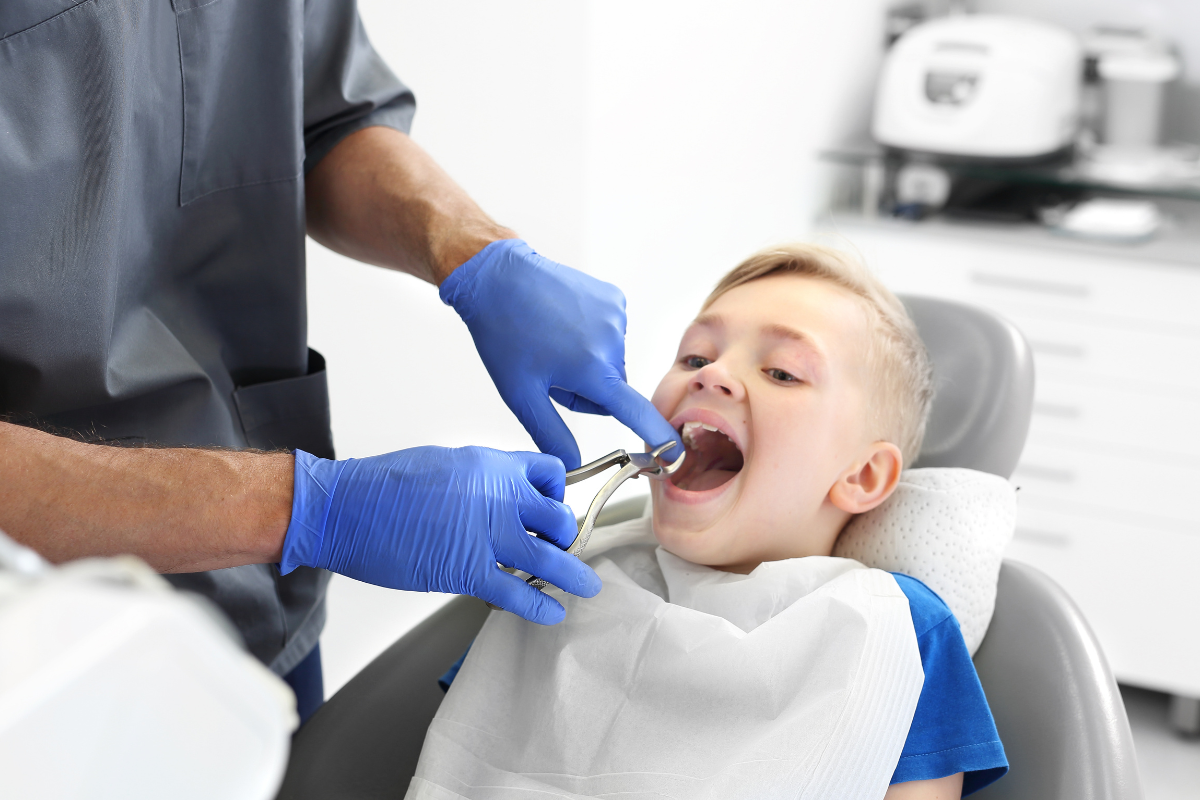
Most parents wait until a child’s smile looks visibly crowded or crooked before thinking about braces. That approach makes sense on the surface, but it often means missing a window when small problems are much easier to fix. The American Association of Orthodontists recommends that every child see an orthodontist rochester families trust by age seven, long before all the permanent teeth have arrived. At that age, a doctor can spot patterns that are still forming and guide growth in a better direction rather than correcting a fully developed problem later.
What an Early Evaluation Actually Looks For
An early check is not about deciding if your child needs braces right now. It is about watching how the jaw and teeth are developing while there is still room to influence the outcome. Orthodontists look at whether the upper and lower jaws are growing at matching rates, whether there is enough space for incoming permanent teeth, and whether baby teeth are falling out on a normal schedule. They also check for habits like thumb sucking or mouth breathing that can shape the jaw in ways that show up as bite problems years later.
Why Timing Matters So Much
Bone in a growing child is more flexible than bone in an adult, so certain corrections work far better at a younger age. A narrow upper jaw, for example, can sometimes be widened gently with a simple appliance while a child is still growing. Waiting until the same child is a teenager might mean the same fix requires surgery instead of a small appliance. This is one reason so many parents search for an orthodontist near me the moment their pediatric dentist raises a concern, since acting during this window can prevent bigger treatment later.
Common Problems Caught Early
A few issues tend to show up clearly around age seven, well before the back molars and other permanent teeth have all come in.
- Crossbite, where upper and lower teeth do not line up correctly when biting down
- Crowding, where there is not enough space for permanent teeth to come in straight
- Extra gaps caused by early loss of baby teeth
- Jaws that are noticeably ahead of or behind each other in growth
- Habits such as prolonged thumb sucking that affect how teeth and jaws align
Catching any of these early gives a doctor more tools and more time to work with.
Two-Phase Treatment Explained Simply
Some children benefit from a two-step approach to orthodontic care. The first phase happens while a child still has a mix of baby and permanent teeth, and it focuses on guiding jaw growth or creating space rather than perfecting every tooth position. There is often a break of a year or more after this phase while the rest of the permanent teeth finish coming in.
The second phase begins once all the adult teeth have erupted and typically involves braces to fine-tune the bite and alignment. Not every child needs two phases. Many only need one round of treatment once all their permanent teeth are in place, and an orthodontic evaluation is exactly how a doctor decides which path fits your child.
Comparing Early Versus Late Evaluation
| Factor | Evaluation at Age 7 | Waiting Until Teen Years |
| Jaw flexibility | High, easier to guide growth | Lower, growth mostly complete |
| Treatment options | Appliances, guided growth | Often braces alone, sometimes surgery |
| Problem detection | Catches issues before they worsen | May find advanced crowding or bite issues |
| Cost over time | Can reduce total treatment needs | May require longer or more complex care |
This kind of side-by-side view helps explain why dentists and orthodontists alike push for that early checkup instead of waiting for a problem to become obvious.
What Happens During the First Visit
A first evaluation is simple and rarely involves any actual treatment. The doctor examines your child’s teeth, jaw, and bite, and often takes a panoramic X-ray to see how permanent teeth are positioned under the gums. This X-ray shows things a visual exam cannot, including missing teeth, extra teeth, or teeth coming in at odd angles. Most visits take less than an hour, and many practices, including ours, do not charge for this first consultation. Parents leave with a clear picture of whether treatment is needed now, later, or not at all.
Finding the Right Orthodontist Rochester Families Can Rely On
Choosing a provider for this first visit matters, since a good evaluation depends on experience and a doctor who explains things clearly. Families across Brockport, Greece, and Irondequoit have access to board-certified orthodontists who specialize in exactly this kind of early diagnosis. A thorough evaluation from an orthodontist rochester parents already know and trust can save years of guesswork and give real answers about what comes next for your child’s smile.
Know Our Orthodontists
Dr. Jeremy Bateman completed his dental degree at Temple University after undergraduate and graduate work in biological sciences and oral sciences at SUNY Buffalo. He earned his orthodontic certificate at Wilford Hall Medical Center and served seven years in the U.S. Army, reaching the rank of Major during postings at Fort Sam Houston and Fort Bragg. He holds memberships with the American Board of Orthodontics, the American Association of Orthodontists, and the American Dental Association. Dr. Bateman has called the Rochester area home for years and continues teaching at a local dental assisting program, which keeps him closely connected to how orthodontic training has changed over time.
Dr. Ben Levenson grew up in Longmeadow, Massachusetts, and studied chemistry at Syracuse University, graduating with honors. He completed dental school at the University of Maryland School of Dentistry, finishing at the top of his class, and went on to earn his orthodontic certificate at the Eastman Institute for Oral Health right in Rochester. He is board certified through the American Board of Orthodontics and belongs to the American Association of Orthodontists and the New York State Dental Association. Parents often mention how well he explains early treatment decisions in plain language rather than dental jargon.
Both doctors see young patients across all three office locations, giving families a consistent, careful approach no matter which office is closest to home.
Signs Parents Should Watch For at Home
Between dental visits, parents can watch for a few warning signs that suggest an evaluation should happen sooner rather than later. Early or late loss of baby teeth, difficulty chewing or biting certain foods, mouth breathing during sleep, and teeth that meet at an odd angle are all worth mentioning to a dentist or orthodontist. Thumb sucking that continues past age five is another common flag, since prolonged sucking habits can push the front teeth forward over time.
Frequently Asked Questions
1. At what age should my child have their first orthodontic checkup?
Most dental groups recommend an evaluation around age seven, even if no obvious problems are visible yet.
2. Does an early evaluation always mean my child needs braces right away?
No. Many children are simply monitored for a few years before any treatment begins, if it is needed at all.
3. Will my child need X-rays at the first visit?
Often yes, since a panoramic X-ray shows how permanent teeth are positioned before they come in, which a visual exam alone cannot show.
4. Is two-phase treatment necessary for every child?
No. Two-phase treatment only fits certain jaw and bite issues, and many children complete treatment in a single phase once all their teeth have erupted.
5. How long does a first evaluation appointment usually take?
Most initial visits last less than an hour and involve an exam, imaging, and a conversation about next steps.
6. Can thumb sucking really affect how teeth come in?
Yes, prolonged thumb sucking past the toddler years can push front teeth forward and affect how the jaw develops.
7. What if my child’s baby teeth are falling out earlier than expected?
This is worth mentioning at an evaluation, since early loss can sometimes lead to crowding if nearby teeth shift into the open space.
8. Does insurance typically cover an orthodontic evaluation?
Coverage varies by plan, so it is worth checking with your provider, though many practices offer complimentary first consultations regardless of insurance.
Give Your Child’s Smile the Best Start
An early evaluation costs very little time and gives you real answers instead of guesswork about your child’s growing smile. Whether your pediatric dentist has already flagged a concern or you are simply being proactive as a parent searching for an orthodontist near me, there is no downside to getting a professional opinion while your child still has plenty of room to grow.
Our doctors welcome families from Brockport, Greece, and Irondequoit for these early checkups, and we walk you through exactly what we see and why. Schedule a consultation with Bateman Orthodontics and get a clear picture of your child’s orthodontic future today.
Tags:
Posted on September 22, 2026