AnywhereDolphin™

Search Blog:
Share Article:


Which Braces Are Less Painful?

Choosing the right orthodontic treatment can be challenging, especially when you’re concerned about potential discomfort. One of the most common questions people ask when considering braces is: “Which type of braces are less painful?” While braces are effective in correcting misaligned teeth, bite issues, and other dental irregularities, the level of comfort they offer varies depending on the type. This blog will explore the different types of braces, their comfort levels, and help you make an informed decision.
How Braces Work
Before discussing which braces are less painful, it’s important to understand the basic function of braces. Braces work by applying continuous, gentle pressure to your teeth over time, gradually shifting them into their correct positions. This pressure can sometimes cause discomfort, particularly during the initial stages of treatment when your teeth are adjusting to the new forces.
Different types of braces achieve the desired movement, but they do so in slightly different ways, which can affect the level of discomfort you may experience.
Types of Braces and Their Comfort Levels
Traditional Metal Braces
Traditional metal braces are the most common type of braces. They are made of high-quality stainless steel and consist of metal brackets attached to each tooth, connected by an archwire. While metal braces are highly effective, they can cause some discomfort, especially after adjustments when the wires are tightened to maintain the necessary pressure on the teeth.
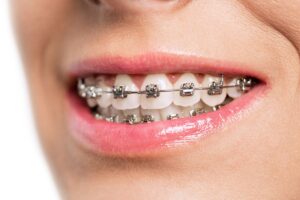
However, the discomfort usually subsides after a few days. Some patients find that using orthodontic wax on the brackets can help reduce irritation inside the mouth .
Ceramic Braces
Ceramic braces work similarly to metal braces, but the brackets are made of a tooth-colored ceramic material that blends in with your teeth, making them less noticeable. In terms of comfort, ceramic braces are similar to metal braces, but the brackets are smoother, which can reduce irritation to the gums and inner cheeks.
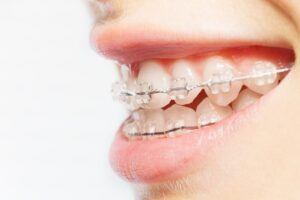
One downside is that ceramic brackets are larger and can be more prone to breakage, which might require more frequent visits to the orthodontist for repairs. This can slightly increase the discomfort, but overall, the pain level is comparable to traditional metal braces .
Lingual Braces
Lingual braces are attached to the back (lingual side) of your teeth, making them invisible from the front. These braces are customized to fit the shape of each tooth, which can make the initial adjustment period more uncomfortable compared to other types of braces.
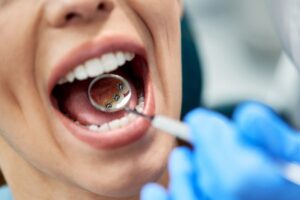
Because they are placed on the back of the teeth, they can cause irritation to the tongue, leading to soreness or difficulty in speaking at first. However, as with other types of braces, this discomfort usually decreases as your mouth adjusts .
Clear Aligners (Invisalign)
Clear aligners like Invisalign are a popular alternative to traditional braces, especially for those concerned about appearance and comfort. Clear aligners are removable trays made of smooth, BPA-free plastic. They fit snugly over your teeth and are virtually invisible when worn.
In terms of pain, clear aligners are generally considered the least painful option. They apply gentle pressure to move your teeth and do not involve metal brackets or wires that can cause irritation. However, some people may experience mild discomfort when switching to a new set of aligners, as each new set will continue the tooth movement process in different way .
Tips for Reducing Discomfort with Braces
Regardless of the type of braces you choose, there are ways to manage discomfort during your orthodontic treatment. Here are a few tips to help reduce pain:
- Orthodontic Wax: Applying orthodontic wax to the brackets can help minimize irritation to the inside of your mouth.
- Over-the-Counter Pain Relief: Using over-the-counter pain relievers, such as ibuprofen or acetaminophen, can help manage discomfort, especially after adjustments.
- Soft Foods: Eating soft foods like yogurt, mashed potatoes, and smoothies during the first few days after getting braces or after an adjustment can help reduce pressure on your teeth.
- Oral Hygiene: Maintaining good oral hygiene is crucial. Brushing and flossing regularly can help prevent gum irritation and other issues that might increase discomfort.
Making the Right Choice
When deciding on the type of braces that are best for you, it’s essential to consider not only the potential discomfort but also other factors such as treatment duration, cost, and aesthetics. For instance, while clear aligners may be more comfortable, they may not be suitable for complex cases that require more extensive correction.
Consulting with an orthodontist is the best way to determine which type of braces will meet your needs while minimizing discomfort. Every patient’s experience is different, and your orthodontist can provide personalized advice based on your specific situation.
Comfort and Care in Orthodontic Treatment
In summary, while all types of braces may cause some level of discomfort, clear aligners create least pain in your treatment. Traditional metal and ceramic braces, while slightly more uncomfortable, are still effective and manageable with proper care. Lingual braces, though less visible, may cause more discomfort initially due to their placement.
At Bateman Orthodontics, we provide personalized orthodontic care to help you achieve the smile you’ve always wanted. If you’re considering braces in Rochester or Brockport, our experienced team is here to guide you through every step of the process. Contact us today to schedule a consultation and find the suitable type of braces for your needs. Your journey to a healthier, more beautiful smile starts here.
Tags:
Posted on August 13, 2024