AnywhereDolphin™

Search Blog:
Share Article:


How to Treat Mouth Sores From Braces
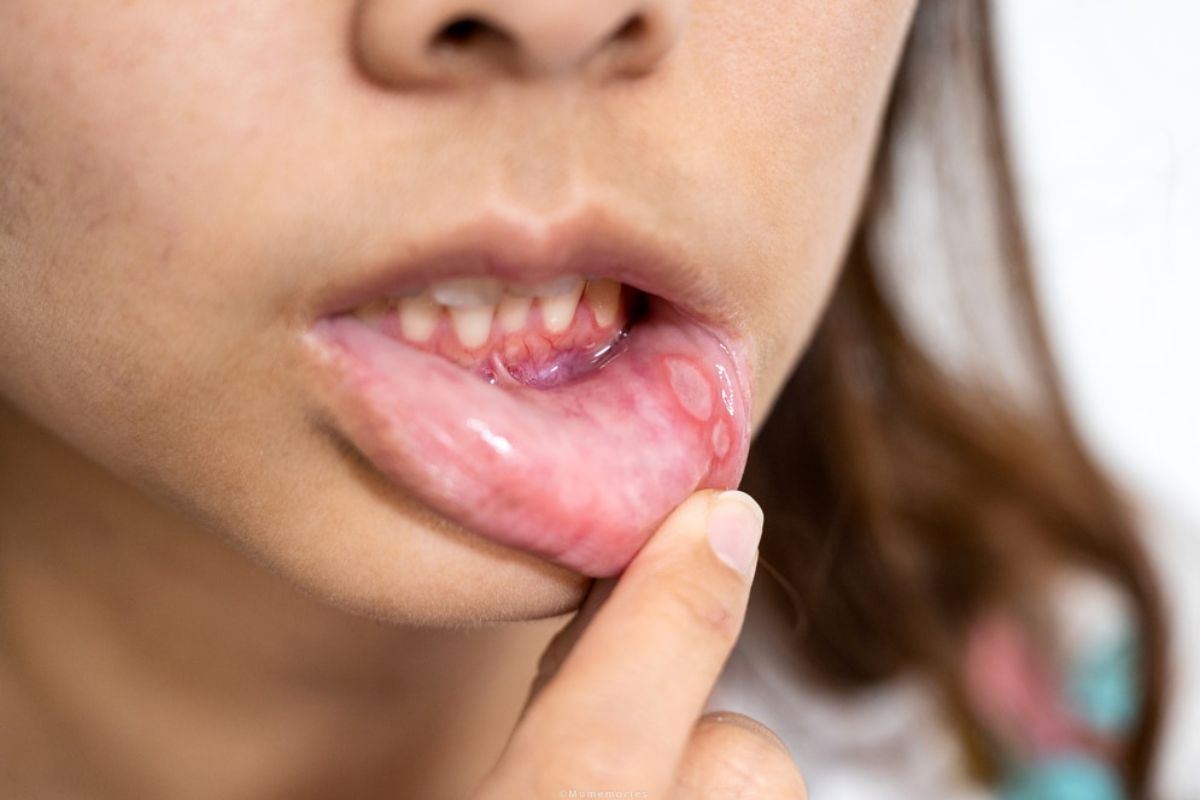
Braces do a lot of good for your smile, but they can come with some short-term discomfort. One of the most common complaints we hear? Small, painful mouth sores that pop up not long after getting braces.
If you’ve noticed a sore spot inside your cheek or lip that stings when you eat or brush, chances are, you’re dealing with a canker sore.
Canker sores are one of the most common complaints we hear from patients, especially in the first few weeks after getting braces. They’re small, but they can really sting. They’re not serious, and there’s a lot you can do to feel better.
Let’s understand how braces cause mouth ulcers, and what you can do about them — both at home and here in our office.
What Are Canker Sores?
Canker sores are small, round ulcers that form inside your mouth—usually on the inner cheeks, lips, under the tongue, or near the gums. They’re not contagious, but they can be surprisingly painful, especially when you eat, talk, or brush.
They often have a white or yellow center with a red border. You might feel a slight burning or tingling before one appears.
These sores can be triggered by several things, like:
- Minor injuries (like biting your cheek or rubbing from braces)
- Stress or fatigue
- Acidic or spicy foods
- Nutritional deficiencies (like low B12 or iron)
- Hormonal changes
Can Braces Cause Canker Sores?
Yes, they can. In fact, braces are one of the most common causes of canker sores in teens and adults going through orthodontic treatment.
Here’s why:
- Friction: The brackets and wires can rub against the soft tissue in your mouth, especially when you’re still adjusting to wearing them.
- Irritation from adjustments: After a tightening or wire change, your mouth may be more sensitive.
- Sharp edges: A broken or loose wire can poke your cheek or lip, creating the perfect environment for a sore to form.
- Oral hygiene challenges: Brushing around brackets can be tricky. If food and bacteria build up, it can irritate your mouth further.
Not everyone gets them, but if your mouth is sensitive or your braces are causing pressure in certain spots, you’re more likely to notice them.
How Long Do These Sores Last and Will They Keep Coming Back?
Most canker sores heal on their own within 7 to 14 days. You might have a few rough days in the middle, but they typically go away without needing treatment.
However, if the cause of irritation (like a poking wire or constant rubbing) doesn’t change, the sores may keep coming back. Some people get them every few weeks, especially right after getting their braces tightened.
If you notice you’re getting canker sores often, it’s worth talking to your orthodontist. Recurring sores could also point to other triggers like food sensitivities or stress.
How to Tell If It’s a Canker Sore or Something Else
Canker sores are usually easy to spot once you know what they look like. But sometimes, other issues can look similar. Here’s how to tell the difference:
Signs it’s a canker sore:
- White or yellow center with a red border
- Inside of cheeks, lips, or under the tongue
- Painful but not contagious
- Usually heals within 1–2 weeks
When it might be something else:
- Blisters on the lips or outside of the mouth (could be cold sores)
- Pain accompanied by fever or swollen glands
- Sores that don’t go away after two weeks
- Sores that keep growing or spreading
If you’re not sure, it’s best to get it checked—especially if the sore is affecting your ability to eat, talk, or sleep.
How to Prevent Canker Sores While Wearing Braces
We know how frustrating it can be to deal with mouth sores while trying to get a straighter smile. Most canker sores linked to braces can be prevented with a few simple steps.
Here’s what we recommend to our patients:
- Use orthodontic wax early and often: Don’t wait until your cheeks are sore. If you feel a bracket or wire rubbing against the inside of your mouth—even slightly—go ahead and apply some wax. It acts like a soft cushion and gives your skin a chance to adjust.
- Stick to soft, smooth foods: Especially in the first week or two, give your mouth a break by avoiding anything crunchy, sharp, or spicy. Think mashed potatoes, smoothies, pasta, eggs—foods that won’t poke or scrape sensitive areas.
- Be careful with citrus and spicy snacks: Acidic fruits (like oranges or pineapples), tomato sauces, and spicy chips can irritate the soft lining of your mouth, making it more likely for a sore to appear. These don’t cause canker sores on their own, but they can trigger them if your mouth is already a little irritated from braces.
- Brush gently but thoroughly: A soft-bristled toothbrush is your best friend. Brush with small circular motions and take your time—especially around brackets. Rushing or brushing too hard can scrape the inside of your mouth or gums.
- Rinse with water after eating: This helps keep food particles from sitting in your braces and irritating your mouth. A quick rinse can go a long way toward keeping your mouth healthy and sore-free.
- Manage stress and sleep well: We don’t often connect stress with mouth sores, but your body does. High stress, low sleep, or even being run-down can lead to more frequent outbreaks. Take care of yourself, and your mouth will thank you.
What Should You Do If You Get a Canker Sore From Braces?
Even if you’re doing everything right, a canker sore can still show up. When that happens, don’t stress — there are several ways to manage the discomfort and help your mouth heal. Here’s what we recommend:
At-Home Relief Tips:
- Use orthodontic wax on the part of your braces that’s causing irritation.
- Rinse with warm salt water (1/2 teaspoon in 1 cup of water) a few times a day to soothe the sore.
- Try a baking soda rinse (1 teaspoon of baking soda in water) to neutralize acidity.
- Apply over-the-counter canker sore gel or numbing cream to reduce pain while eating or brushing.
- Stick to soft foods like yogurt, mashed potatoes, smoothies, or scrambled eggs.
Oral Hygiene Tips:
- Brush gently with a soft toothbrush.
- Avoid toothpaste with sodium lauryl sulfate (SLS), which can irritate the sore more.
- Use an alcohol-free mouthwash to clean without the sting.
- Floss carefully to avoid cutting or irritating your gums.
Consult Bateman Orthodontics To Learn More About Mouth Ulcers From Braces!
If canker sores are making braces harder than they need to be, we’re here to help. At Bateman Orthodontics, we’ve helped hundreds of patients in Brockport and Rochester, NY manage irritation, soreness, and discomfort throughout their orthodontic journey.
We will adjust any brackets or wires that are causing problems and give you practical tips to stay comfortable at home.
Give us a call at (585) 639-7634 (Brockport Office) or (585) 767-2062 (Rochester Irondequoit Office) to book an appointment with our orthodontist Dr. Jeremy Bateman today!
Tags:
Posted on April 22, 2025