AnywhereDolphin™

Search Blog:
Share Article:


Understanding Different Types of Braces: Which Orthodontic Option Is Right for You?
A straight smile does more than look nice. It helps you chew your food, speak clearly, and keep your teeth clean. If you or your child need braces, you have more choices today than ever before. This guide walks you through each option, so you can pick the one that fits your life, your budget, and your smile goals.
Why Straight Teeth Matter
Crooked or crowded teeth are hard to clean. Food gets stuck in tight spots, and brushing alone may not remove it all. Over time, this can lead to cavities, gum trouble, or bad breath. A misaligned bite can also cause jaw pain and worn down teeth. Fixing these issues early can save you time, money, and discomfort down the road.
Many families search for options close to home when it is time to start treatment. Finding trusted braces in Rochester means you do not have to travel far for checkups, and your child can stay on schedule with school and sports.
Traditional Metal Braces
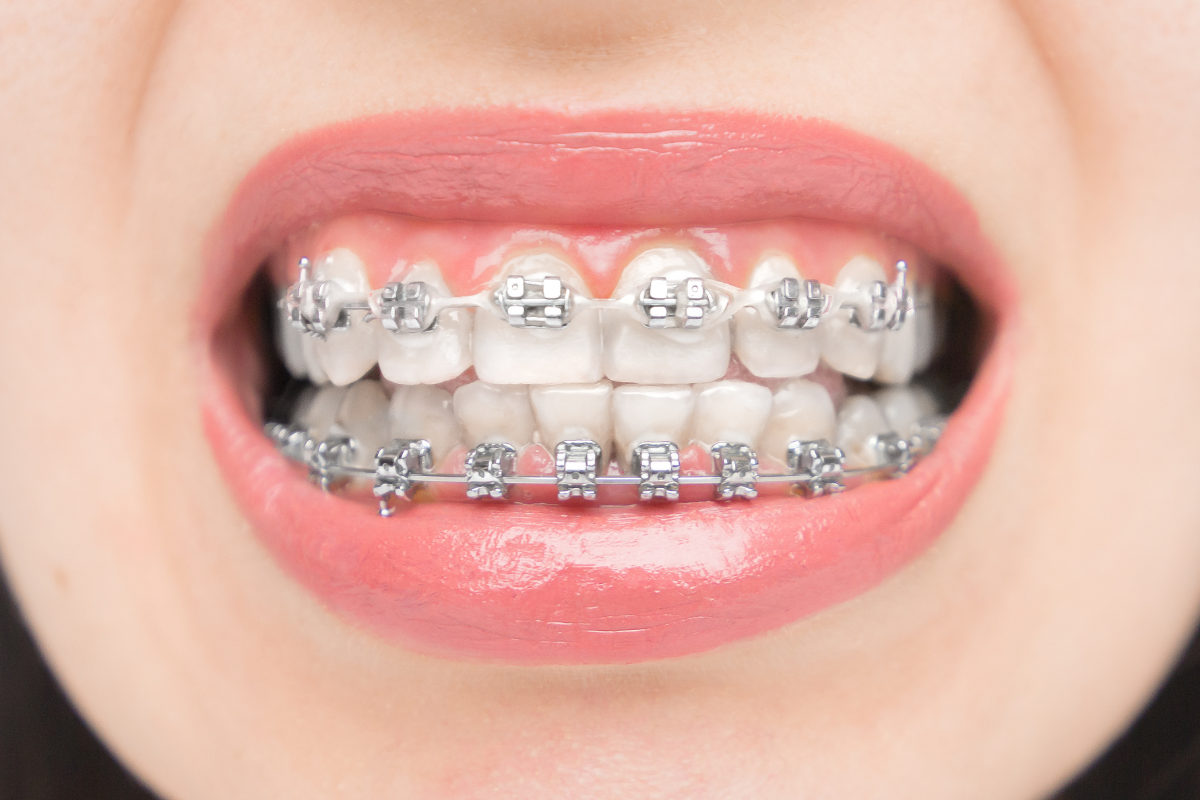
Metal braces are the classic choice, and for good reason. They use small metal brackets glued to each tooth, connected by a thin wire. The wire is tightened over time to slowly guide teeth into place.
Here is why many patients still choose this option:
- They work well for almost any bite problem, even complex cases
- They tend to cost less than clear options
- Kids can pick fun colored bands to match their style
- They are strong and hard to damage
Metal braces are often the fastest way to fix major spacing or bite issues, and they cover the widest range of cases. Many parents in our care ask an orthodontist Rochester families trust to explain if this option fits their child’s needs, and we walk them through it step by step.
Ceramic Braces
Ceramic braces work the same way as metal ones, but the brackets are clear or tooth colored. This makes them less noticeable, which many teens and adults like. They still use a wire to move teeth, so treatment time is close to what you would get with metal braces.
One thing to know: ceramic brackets can stain if you drink a lot of coffee, tea, or dark soda. Regular brushing helps keep them looking clean through your treatment.
Clear Aligners
Clear aligners are a set of custom trays that fit over your teeth. You switch to a new tray every one to two weeks as your teeth shift. They are nearly invisible and can be taken out to eat, brush, and floss.
This option works best for mild to moderate cases. It also takes some self control, since the trays must be worn about 20 to 22 hours a day to work as planned. Many adults like this choice because it fits their work life without drawing attention. When people ask us about clear braces in Rochester, this is usually the option they mean, and it works well for busy schedules.
Lingual Braces
Lingual braces sit behind your teeth instead of in front. This keeps them hidden from view, even in a big smile. They work well for many bite problems, though they can take a bit longer to get used to when it comes to speaking and eating.
This option is not right for every case, so a full exam is the best way to know if it will work for your smile.
Also Read: Braces-Friendly Recipes: Delicious Meals for Orthodontic Patients
How to Choose the Right Option
Picking the best type of braces depends on a few things: how crooked your teeth are, your age, your budget, and how much you care about how they look during treatment. A short list can help narrow things down:
- Metal braces: best value, strong, fixes most cases
- Ceramic braces: less visible, similar cost to metal
- Clear aligners: nearly invisible, needs discipline to wear daily
- Lingual braces: fully hidden, longer adjustment time
A good first step is a full exam. This lets your doctor look at your teeth, jaw, and bite before making a plan. Sitting down with an orthodontist Rochester families know and trust makes this first step feel less confusing. Every mouth is different, so a plan that worked for a friend or sibling may not be the right fit for you.
Local Care You Can Count On
Families across our service area know that finding the right team matters as much as picking the right braces. Our practice serves patients from Brockport, Irondequoit, and Greece, and we hear the same questions again and again: how long will this take, will it hurt, and can we still afford it.
We keep our answers simple and clear. Most treatment plans run between one and two years, discomfort is mild and fades within a few days after adjustments, and we offer payment plans to fit most budgets. Local families also like that they can reach our office fast if a wire pokes or a bracket comes loose, without a long drive across town.
If you have been searching for braces in Rochester for your family, it helps to work with a team that knows the area and understands the pace of local school and work schedules.
Frequently Asked Questions
1. How do I know if I need braces?
Signs include crowded or gapped teeth, a bite that does not line up right, or trouble chewing. A dental exam is the best way to confirm if treatment is needed.
2. What age is best to start orthodontic treatment?
Most kids get a first check around age seven. This does not mean treatment starts right away, but it helps catch problems early.
3. Do braces hurt?
You may feel some soreness for a few days after braces go on or get adjusted. This is normal and fades quickly.
4. How long does treatment usually take?
Most patients wear braces or aligners for one to two years, though this varies based on the case.
5. Can adults get braces too?
Yes. Many adults choose ceramic braces or clear aligners for a treatment that fits their daily life.
6. Will I need to change my diet?
With metal or ceramic braces, sticky and hard foods should be avoided. Clear aligners come out at mealtime, so there are fewer food limits.
7. How often do I need checkups during treatment?
Most plans call for a visit every four to six weeks so your doctor can check progress and make small adjustments.
8. What happens after braces come off?
You will likely wear a retainer to keep your teeth from shifting back. Your doctor will explain how often to wear it.
Ready to Start Your Smile Journey?
Every smile tells a story, and yours deserves the best care to look and feel its best. Whether you need traditional metal braces, clear aligners, or a more hidden option, the right choice starts with a real conversation about your goals and your smile. Whatever style of braces in Rochester you are weighing, the choice gets easier once someone walks you through it in plain language. Our team at Bateman Orthodontics has helped countless patients across Brockport, Irondequoit, and Greece find the treatment that fits their life, and we would love to help you too.
Choosing the right orthodontist, families can rely on makes all the difference in how smooth your treatment feels from start to finish. From your first visit to the day your braces come off, we focus on clear answers and steady support.
If you are ready to take the next step, schedule an consultation with Bateman Orthodontics today. Our friendly team is here to answer your questions, walk you through your options, and help you build a smile you feel proud to show off. Reach out to an orthodontist Rochester patients trust, and let’s get your journey started.
Read More: How Braces Affect Facial Appearance During And After Treatment
Posted on July 8, 2026