AnywhereDolphin™

Search Blog:
Share Article:


The Difference Between Interceptive and Orthodontic Treatment
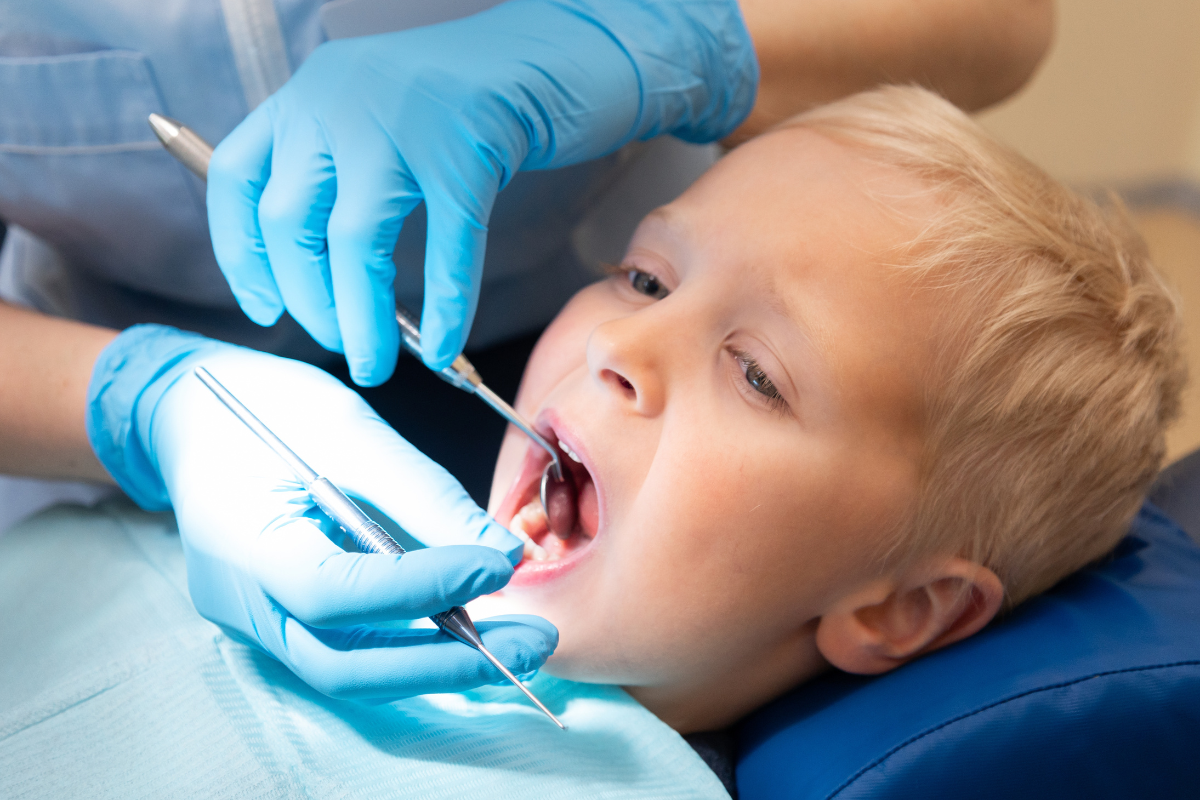
If your child’s dentist mentioned they may need orthodontic care, you may have heard two terms come up: interceptive treatment and comprehensive treatment. These are two separate types of care, and knowing the difference helps you make a better choice for your child’s smile.
This guide breaks it down in plain terms.
What Is Interceptive Orthodontic Treatment?
Interceptive treatment is early care. It usually starts when a child still has a mix of baby teeth and adult teeth, most often between ages 6 and 10.
The goal is not to fully straighten the teeth. Instead, it targets specific problems early before they get harder to fix. An orthodontist may use this approach to guide jaw growth, make room for teeth that haven’t come in yet, or correct bite issues that could affect how a child chews or speaks.
Common issues treated early include:
- Crossbites
- Severe crowding
- Protruding front teeth
- Jaw growth problems
This phase is sometimes called Phase 1 treatment. It doesn’t replace full treatment later, but it can make the second phase shorter and simpler.
What Is Comprehensive Orthodontic Treatment?
Comprehensive treatment is full orthodontic care. It usually starts when most or all of the adult teeth have come in, typically around ages 11 to 14, though adults can start at any age.
This is what most people picture when they think of braces or clear aligners. The goal is to fully align the teeth and correct the bite from start to finish.
An orthodontist creates a complete treatment plan that addresses spacing, alignment, and how the upper and lower teeth fit together. This phase, sometimes called Phase 2, can last anywhere from 12 to 24 months depending on the case.
Key Differences at a Glance
| Interceptive | Comprehensive | |
| Age | 6 to 10 years | 11 and older |
| Teeth present | Mix of baby and adult | Mostly adult teeth |
| Duration | 6 to 18 months | 12 to 24 months |
| Goal | Prevent or reduce problems | Full correction |
Does Every Child Need Both Phases?
No. Not every child needs interceptive treatment. Many children go straight into comprehensive care when the time is right.
But for some kids, starting early makes a real difference. Catching a jaw issue or severe crowding before growth slows down can reduce the need for more serious steps later, like tooth removal or jaw surgery.
The best way to know if your child needs early care is to have them seen by an orthodontist. The American Association of Orthodontists recommends a first check by age 7. This doesn’t mean treatment will start right away. It just means any potential issues are spotted early.
If you’ve been searching for a orthodontist near me who can guide you through your child’s orthodontic needs, it helps to also connect with a specialist who focuses only on tooth and jaw alignment.
How Bateman Orthodontics Approaches Each Phase
Our patients from both the Brockport and Rochester areas are seen for both early and full orthodontic care. Whether a child needs a small correction now or a complete treatment plan later, each case is reviewed carefully before any recommendation is made.
A qualified orthodontist rochester families trust will take X-rays, check jaw development, and look at how the teeth are coming in before deciding if early treatment is needed or if waiting makes more sense.
There is no one-size approach here. Every patient gets a plan based on what their smile actually needs.
Signs Your Child May Need an Early Evaluation
Watch for these signs in younger children:
- Mouth breathing or snoring at night
- Difficulty chewing or biting
- Thumb sucking past age 5
- Teeth that don’t meet evenly
- Crowded, crooked, or missing teeth
- Jaw that shifts or makes noise
These signs don’t always mean treatment is needed right away. But they are good reasons to get a professional opinion sooner rather than later.
Adults and Comprehensive Treatment
Orthodontic care isn’t only for children. Adults make up a growing share of orthodontic patients across the country. Comprehensive treatment works well for adults, especially with today’s options like clear aligners that are less visible than traditional braces.
Whether you’ve had braces before or never had any treatment at all, an orthodontist rochester area practice can assess where your smile stands and what options make sense for your age, bone structure, and goals.
Frequently Asked Questions
1. What is the right age to take my child to an orthodontist?
The first visit is recommended around age 7. This is when enough adult teeth have come in to evaluate how the jaw and bite are developing.
2. Will my child need braces after interceptive treatment?
Many children do still need comprehensive treatment after Phase 1. Early treatment reduces the severity of problems, but it usually doesn’t eliminate the need for braces or aligners later.
3. How long does interceptive treatment take?
Most Phase 1 cases last between 6 and 18 months, followed by a resting period before Phase 2 begins.
4. Is comprehensive treatment only for teenagers?
No. Adults of any age can benefit from comprehensive orthodontic treatment. There is no age limit for improving your smile.
5. What is the difference between braces and clear aligners in comprehensive treatment?
Both achieve similar results. Braces are fixed and work well for complex cases. Clear aligners are removable and less visible. Your orthodontist will help you decide which fits your lifestyle and needs.
6. Does insurance cover both phases of treatment?
Many dental insurance plans include an orthodontic benefit that covers a portion of treatment. Coverage varies by plan, so it is best to check with your provider directly.
7. What happens between Phase 1 and Phase 2?
There is usually a monitoring period where the remaining adult teeth come in on their own. Your orthodontist will schedule regular check-ins during this time.
8. Can adults have interceptive treatment?
Interceptive treatment is designed for growing children because it takes advantage of natural jaw development. Adults typically go straight to comprehensive care.
Conclusion
Understanding the difference between interceptive and comprehensive orthodontic treatment helps you stay ahead of your child’s dental health. Early care can prevent bigger issues later. Full treatment brings everything into proper alignment when the time is right.
Whether your child needs Phase 1 care now or a full treatment plan in a few years, having an experienced orthodontist on your side makes all the difference. If you have been looking for a orthodontist near me with access to specialized orthodontic care, connecting with a local practice is a strong first step.
To find out which type of treatment is right for your child or yourself, schedule a consultation with Bateman Orthodontics and get a clear picture of where your smile stands. Contact our Rochester and Brockport office today to book your visit and take that first step toward a healthier, better-aligned smile.
Posted on March 20, 2026