AnywhereDolphin™

Search Blog:
Share Article:


The Power of Braces in Transforming Your Smile
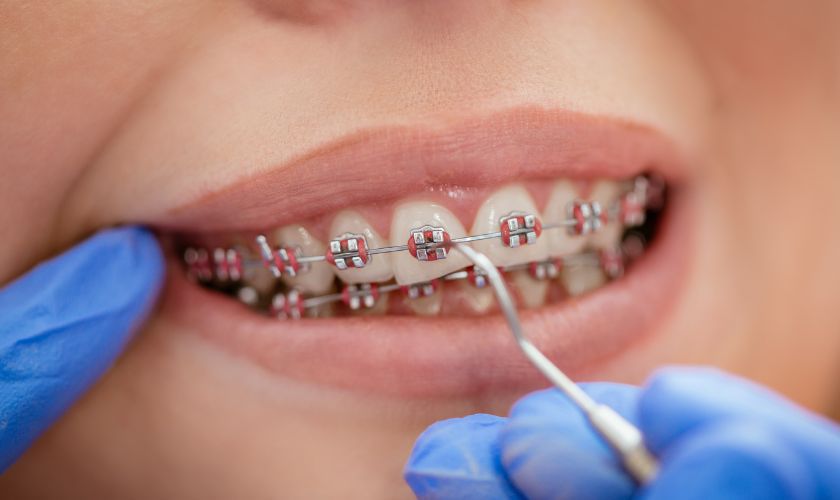
A beautiful smile can have a significant impact on your confidence, and positively impact your overall well-being. One of the most effective ways to achieve a perfect smile is through orthodontic treatment with braces. Whether you’re dealing with crooked teeth, gaps, or bite issues, braces can offer a solution that not only enhances your appearance but also improves your dental health. In this blog, we will explore how braces work, the different types available, and what to expect during treatment.
How do Braces Work?
Braces are dental devices used to correct alignment issues with your teeth and jaw. They apply continuous pressure over a period of time to slowly move teeth in a specific direction. As the teeth move, the bone changes shape to accommodate their new positions. Here’s a closer look at the main components of braces:
- Brackets: These are small squares bonded directly to each tooth with a special dental bonding agent. Brackets hold the archwire that moves the teeth.
- Archwire: This thin metal wire runs from bracket to bracket and applies pressure to the teeth to guide them into place.
- Bands: Elastic bands or ligatures are used to hold the archwire to the brackets.
- Spacers: These are small separators placed between teeth to create a small space before bands are applied.
- Elastic Ties: Small rubber rings that hold the archwire to the brackets and come in various colors.
Types of Braces:
There are different types of braces available, including traditional metal braces, ceramic braces (tooth-colored), lingual braces (placed on the inner surface of the teeth), and clear aligners (such as Invisalign).
The Benefits of Braces
1. Correcting Misalignment: Braces effectively correct misaligned teeth, crooked teeth, overcrowding, and gaps. They straighten teeth and create a well-aligned bite, improving both the aesthetics and functionality of your smile.
2. Enhanced Oral Health: Straight teeth are easier to clean and maintain compared to crooked or crowded teeth. With braces, it becomes easier to brush and floss effectively, reducing the risk of tooth decay, gum disease, and other oral health issues.
3. Improved Speech and Chewing: Misaligned teeth can affect speech patterns and chewing efficiency. By aligning the teeth properly, braces can improve speech clarity and enhance the ability to bite and chew food comfortably.
4. Enhanced Self-Confidence: A straight and attractive smile can significantly boost self-confidence. With improved aesthetics, individuals with braces can feel more confident and comfortable in social interactions and everyday life.
5. Long-Term Dental Benefits: Investing in braces not only improves the appearance of your smile but also provides long-term dental benefits. Straight teeth are less prone to wear, grinding, and dental injuries, contributing to overall dental health and longevity.
The Treatment Process
1. Consultation and Treatment Planning: During the initial consultation, your orthodontist will evaluate your dental condition, discuss your smile goals, and recommend the most suitable type of braces for your needs.
2. Braces Placement: Once you decide to proceed with braces, your orthodontist will carefully place the brackets on each tooth using a dental adhesive. Archwires are then threaded through the brackets, and elastic bands or other components may be used to adjust tooth movement.
3. Adjustments and Progress Monitoring: Regular follow-up visits are scheduled to adjust the braces, change wires, and monitor the progress of your treatment. These adjustments ensure that the teeth are gradually and correctly moving into their desired positions.
4. Retention Phase: After the braces are removed, a retention phase begins. You may be provided with a retainer to maintain the newly achieved position of your teeth. Consistently wearing your retainer as directed will help prevent teeth from shifting back.
Oral Care During Braces Treatment
1. Oral Hygiene: Good oral hygiene is crucial during braces treatment. Brushing after every meal and flossing carefully around the brackets and wires help prevent plaque buildup and maintain oral health.
2. Diet and Habits: Certain foods and habits can potentially damage braces or prolong treatment time. Avoid hard, sticky, or chewy foods that can dislodge brackets or wires. Also, refrain from habits like biting nails or chewing on pens.
3. Managing Discomfort: It’s common to experience some discomfort and pain after getting braces put on or adjusted. Over-the-counter pain relievers can help manage the pain. Orthodontic wax can be used to cover sharp edges and prevent irritation.
The Bottom Line
Braces are a powerful tool in transforming your smile and boosting your self-confidence. They correct misalignment, improve oral health, enhance speech and chewing, and provide long-term dental benefits. If you’re considering braces in Rochester, consult with an experienced orthodontist to discuss your options and start your path to a perfect smile. Embrace the power of braces and prioritize your dental health and self-esteem. With patience and commitment, you can achieve a beautiful and radiant smile that will last a lifetime. Smile confidently and let the transformative power of braces enhance your overall well-being.
Tags:
Posted on July 7, 2023