AnywhereDolphin™

Search Blog:
Share Article:


Top 5 Signs You Need a Retainer After Braces
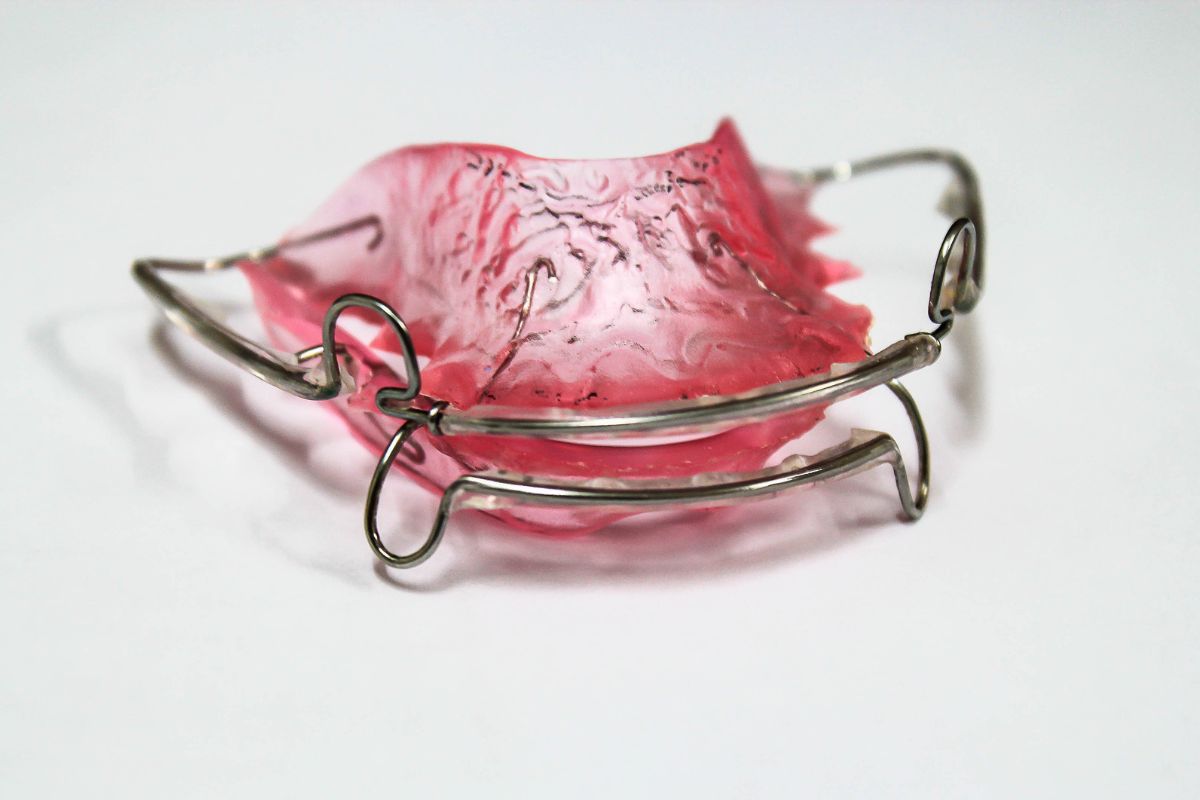
Braces are a great tool for straightening teeth, but your journey to a perfect smile doesn’t end the day they come off. Wearing a retainer is crucial to maintaining the results braces have worked hard to achieve. Many people overlook the importance of wearing a retainer, which can lead to shifting teeth over time.
This blog will explore the top five signs that indicate you need a retainer after braces. Understanding these signs can help you maintain the alignment of your teeth and avoid further orthodontic treatment in the future.
- Your Teeth Are Starting to Shift
One of the most common signs that you need a retainer is noticing a shift in your teeth. After braces are removed, your teeth will naturally try to move back to their original positions. This process, called relapse, can happen gradually. If you feel that your teeth are not as straight as they were right after your braces were taken off, it’s a clear indication that you should wear your retainer more consistently. The retainer helps to keep your teeth in place and prevents the natural shifting process.
- You Feel Pressure in Your Gums or Jaw
If you’re experiencing pressure or tightness in your gums or jaw, it might be a sign that your teeth are moving. This can occur when the surrounding bone and tissues are adjusting to the new positions of your teeth. A retainer can help alleviate this pressure by ensuring that your teeth stay aligned. Ignoring this sign could lead to discomfort or even more significant orthodontic issues in the future. Wearing your retainer can help keep things in balance, making it easier for your mouth to adjust without pain.
- Gaps Between Your Teeth Are Reappearing
Braces close gaps between your teeth, but if these gaps are starting to return, it’s a clear sign that you need a retainer. Even small spaces between teeth can gradually become more pronounced over time, leading to alignment issues. Retainers prevent these gaps from reopening by maintaining the position of your teeth. If you’re starting to notice space where there shouldn’t be, using your retainer as prescribed can stop the situation from worsening.
- Your Bite Feels Different
If your bite doesn’t feel quite right after braces, it could be a sign that your teeth are shifting. Your retainer plays a critical role in maintaining the proper alignment of your bite. When your teeth move, it can cause your upper and lower teeth to meet incorrectly, leading to potential discomfort or even jaw problems. If you notice that your bite feels off, wearing your retainer can help correct this before it becomes a more significant issue.
- You’ve Been Skipping Wearing Your Retainer
If you’ve been neglecting your retainer, your teeth are likely starting to shift. Retainers are often viewed as an optional step in orthodontic treatment, but they are essential for long-term success. Missing even a few days can lead to small movements, which may not be immediately noticeable but can accumulate over time. If you find that your retainer feels tight or uncomfortable when you try to wear it after skipping a few nights, it’s a sign that your teeth have started to move. Consistent use of your retainer is the best way to ensure that your teeth stay in place.
Why Retainers Are Essential for Long-Term Results
After completing orthodontic treatment, your teeth are in a vulnerable state. The bone and tissue surrounding your teeth need time to solidify around their new positions. This is why retainers are so important. They hold your teeth in their new positions until your mouth adjusts. Without a retainer, there’s a high risk that your teeth will shift back, undoing the hard work and investment in braces.
How Often Should You Wear Your Retainer?
When you first get your braces removed, your orthodontist will likely recommend wearing your retainer full-time for several months, depending on your specific case. After the initial period, you can gradually reduce wear to nighttime only. However, it’s essential to continue wearing your retainer at night indefinitely to prevent any unwanted movement. The exact instructions will vary, so be sure to follow the advice of your orthodontist closely.
What Happens If You Don’t Wear Your Retainer?
Failing to wear your retainer can lead to tooth movement, resulting in the need for additional orthodontic treatment. Teeth naturally want to return to their previous positions, and without the guidance of a retainer, they will gradually shift. This can cause gaps, crowding, and misalignment to reoccur. In the worst cases, you might need to go through another round of clear aligners or braces in Rochester to correct the issues.
If you notice any of the five signs mentioned above, it’s time to pay attention and wear your retainer as directed.
Whether you’ve recently finished your orthodontic treatment in Rochester or it’s been a while, remember that keeping your teeth straight is an ongoing process. If you need advice on orthodontic care, consult with Bateman Orthodontics. Our experienced team of orthodontists can help guide you through maintaining your beautiful smile.
Tags:
Posted on October 16, 2024