AnywhereDolphin™

Search Blog:
Share Article:


Overbite Treatment: What Is the Best Option for You?
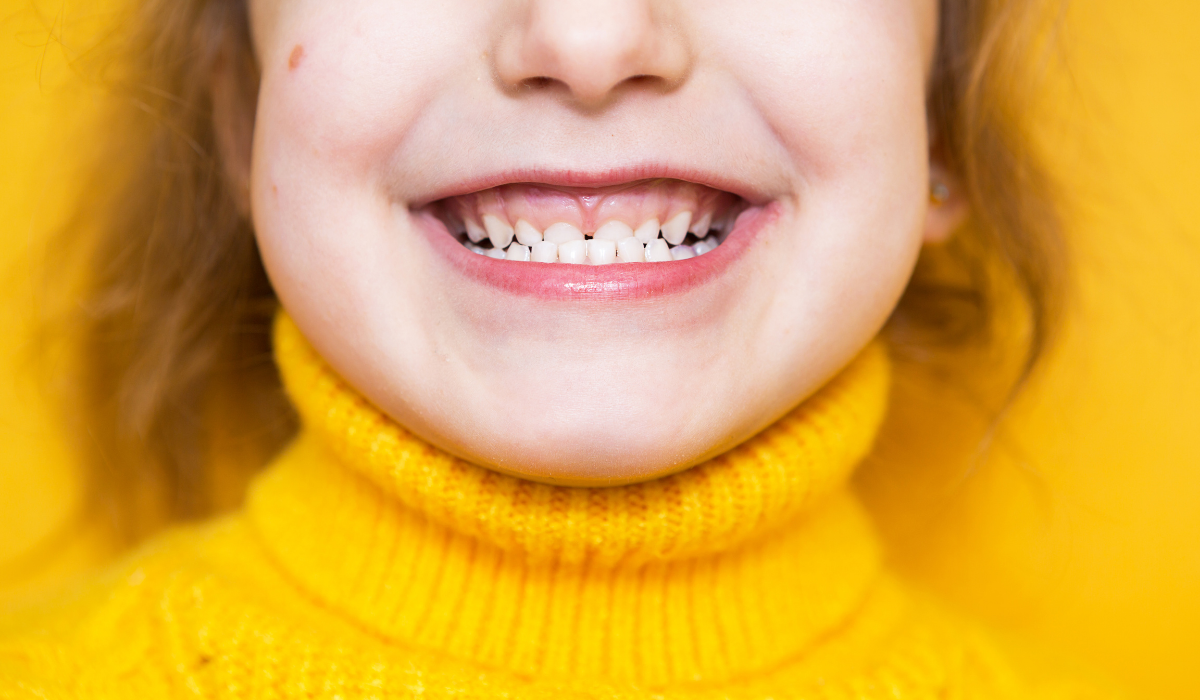
An overbite is one of the most common bite problems dentists see, yet many adults live with it for years without realizing it can be fixed. If your upper front teeth overlap your lower teeth more than they should, you are not alone, and you have more choices than you might think. Whether you are exploring braces in rochester for the first time or comparing options as an adult, understanding what causes an overbite and how it gets treated can help you make a confident decision.
At Bateman Orthodontics, we see this question almost every week from patients across Brockport, Greece, and Irondequoit. The good news is that overbites, even more noticeable ones, respond well to modern treatment. This guide breaks down what an overbite actually is, the main treatment paths, and how to figure out which one fits your life.
What Exactly Is an Overbite?
A small amount of overlap between your top and bottom front teeth is normal. Dentists only call it a problem, known as a malocclusion, when the overlap becomes too deep. In more severe cases, the lower teeth press into the roof of the mouth or the gum tissue behind the upper teeth.
Overbites can come from genetics, childhood habits like thumb sucking, early loss of baby teeth, or long-term mouth breathing. Left untreated, an overbite can wear down enamel unevenly, strain the jaw joint, and even affect speech in some cases. Catching it early, especially in kids, often means a simpler and shorter treatment later.
Signs You Might Have an Overbite Worth Treating
Not every overbite needs urgent attention, but a few signs suggest it is worth a professional opinion:
- Your front teeth show visible wear or chipping
- You feel jaw soreness or clicking, especially in the morning
- Your lower teeth barely show when you smile
- You have trouble biting into certain foods comfortably
- A dentist has already flagged the bite during a routine visit
A quick search for “orthodontist near me” is often the fastest way to get a professional opinion instead of guessing at home.
If any of these sound familiar, a short consultation can tell you exactly where you stand. Many patients researching braces in rochester start with exactly this kind of self-check before booking a first visit.
The Main Treatment Options
Overbite treatment is not one-size-fits-all. The right approach depends on your age, how deep the bite is, and whether the cause is dental, skeletal, or both.
Traditional Braces
Metal or ceramic braces remain one of the most reliable ways to correct an overbite, particularly for more involved cases. They apply steady pressure over time to guide both the teeth and, in growing patients, the jaw into better alignment. For anyone comparing braces in rochester options, this is usually the starting point for moderate to severe cases, or for patients who need more control over tooth movement than aligners can offer.
Clear Aligners (Invisalign)
For mild to moderate overbites, invisalign in rochester has become a popular choice among teens and adults who want a less visible option. Clear aligner trays are swapped out every one to two weeks and worn 20 to 22 hours a day. They are removable for eating and cleaning, which many patients find easier to manage around work and family life. Deeper bites may need extra tools like small attachments or elastics to get the same results as braces.
Additional Appliances
Some cases call for extra support alongside braces or aligners. These can include:
- Palate expanders, which widen the upper jaw to create more room
- Headgear, used less often today but still helpful for specific skeletal patterns
- Retainers, needed after any treatment to keep new results in place
Surgical Correction
When an overbite comes from a skeletal issue rather than just tooth position, orthognathic surgery may be recommended. This is typically reserved for severe cases where the upper and lower jaw are significantly out of proportion. It is a bigger step, with a longer recovery, but it can permanently correct both bite function and facial balance.
Braces vs Invisalign: A Quick Comparison
Since these two options come up most often, here is a simple breakdown to help you weigh them side by side.
| Factor | Traditional Braces | Invisalign (Clear Aligners) |
| Best for | Moderate to severe overbites | Mild to moderate overbites |
| Visibility | Noticeable | Nearly invisible |
| Removable | No | Yes |
| Diet restrictions | Yes, several foods to avoid | Minimal, remove trays to eat |
| Daily discipline needed | Low, fixed in place | High, must wear 20 to 22 hrs daily |
| Typical check-in visits | Every 4 to 6 weeks | Every 4 to 8 weeks |
Neither option is automatically better. A rochester orthodontist can look at your bite, your goals, and your lifestyle to recommend the one that fits.
What Treatment Actually Looks Like, Step by Step
Getting started is simpler than most people expect. Here is the general path most patients follow.
- Initial exam. X-rays and digital scans map out your bite and jaw structure.
- Treatment plan. Your provider explains which option fits your case and what results to expect.
- Fitting. Braces are bonded, or your first set of aligner trays is provided.
- Progress check-ins. Regular visits track movement and make small adjustments.
- Retention phase. Once treatment ends, a retainer holds your new bite in place long term.
Total treatment time varies. Simple cases can wrap up in six months, while more involved bite corrections may take a year and a half or longer. Most people notice visible changes within the first two to three months, which helps keep motivation high through the rest of treatment. Patients choosing invisalign in rochester often mention this early progress as one of the most encouraging parts of the process.
Know Our Orthodontists
Your results depend heavily on who is planning and guiding your treatment. Here is a closer look at the team behind every case at our practice.
Dr. Jeremy Bateman completed his Bachelor of Arts in Biological Sciences and Master of Science in Oral Sciences at SUNY Buffalo, then earned his Doctorate of Dental Medicine at Temple University, graduating as valedictorian on a military scholarship. He completed his orthodontic certificate at Wilford Hall Medical Center and served seven years in the U.S. Army, reaching the rank of Major. He later taught orthodontic residents at Womack Army Medical Center and continues teaching locally today. With more than 15 years of experience, he specializes in clear aligner therapy, traditional braces, and bite correction, and takes care to make sure every patient understands their plan from the very first visit.
Dr. Ben Levenson grew up in Longmeadow, Massachusetts, and studied chemistry at Syracuse University, graduating with honors, before completing his dental education at the University of Maryland School of Dentistry. He is a board-certified orthodontist through the American Board of Orthodontics and holds memberships with the American Association of Orthodontists and the New York State Dental Association, among others. Dr. Levenson focuses on Invisalign, early orthodontic care, and complex bite correction, building treatment plans around each patient’s actual goals rather than a one-size-fits-all approach.
Together, they lead a team trusted for straightforward, honest guidance across our Brockport, Greece, and Irondequoit offices. If you have typed “orthodontist near me” while researching bite correction, this is exactly the kind of team you want reviewing your case.
What Our Patients Say
Reviews from real patients tell the story better than any marketing copy can.
“My son is a patient and we’ve had such a wonderful experience so far! He just got his braces on about a week ago, but have been coming to the office for about a year for check-ups. The office is so family friendly and all the staff is kind and welcoming. Dr. Levenson even reached out after my son got his braces on to connect and see if we had any questions. We’re thankful for this office!!”
★★★★★ (Ellen Martin)
Feedback like this reflects exactly what bite correction is meant to do: not just a straighter smile, but one that actually works better day to day.
Choosing the Right Option for You
There is no universal best treatment for an overbite. A teenager with a developing jaw has different options than an adult with a fully grown skeleton. Someone who travels often for work may lean toward aligners for convenience, while someone with a deeper bite may need the added control that braces provide. Talking to a rochester orthodontist directly, rather than guessing from online reviews, is still the most reliable way to know for sure.
According to guidance published by the American Association of Orthodontists, an in-person evaluation is the only reliable way to determine which bite correction approach fits a specific case. That is exactly the kind of guidance we build every treatment plan around.
Ready to Take the Next Step?
An overbite does not have to be something you just live with. Whether invisalign or braces in rochester ends up being the better fit for your bite, the first step is the same: a real conversation with a rochester orthodontist who can map out your options clearly. Our team at Bateman Orthodontics has guided patients across Brockport, Greece, and Irondequoit through every stage of this decision, from a first exam to a finished, confident smile.
If you are ready to stop wondering and start planning, request an appointment with our team today. And if you are still searching “orthodontist near me” to compare your options, we would be glad to be the practice that answers that search with a clear plan built around your bite.
Frequently Asked Questions
1. How do I know if my overbite needs treatment?
A dentist or orthodontist can measure how deep the overlap is and tell you whether it is cosmetic, functional, or both.
2. Does treating an overbite hurt?
Most patients feel mild pressure or soreness for a few days after adjustments, which usually fades quickly.
3. Can adults still fix an overbite, or is it too late?
Adults can absolutely correct an overbite. Jaw growth has stopped, but teeth can still be moved effectively at any age.
4. How long does overbite treatment usually take?
It depends on severity. Mild cases may finish in six months, while more complex bites can take 18 months or longer.
5. Will insurance help cover the cost?
Many dental insurance plans offer partial coverage for orthodontic treatment. Your provider’s office can help verify your specific benefits.
6. What happens if an overbite is left untreated?
Over time it can cause uneven tooth wear, jaw discomfort, and in some cases, ongoing speech or chewing difficulty.
7. Do kids need to wait until all their adult teeth come in before starting treatment?
Not always. Some early intervention is done while baby teeth are still present, especially for skeletal issues.
8. Is a retainer really necessary after treatment ends?
Yes. Skipping the retainer phase is the most common reason teeth and bites shift back after treatment finishes.
Curious which overbite treatment fits your smile? Contact Bateman Orthodontics and schedule a consultation and get a clear, honest answer.
Tags:
Posted on June 13, 2024