AnywhereDolphin™

Search Blog:
Share Article:


Orthodontic Treatment for Seniors: Is It Ever Too Late?
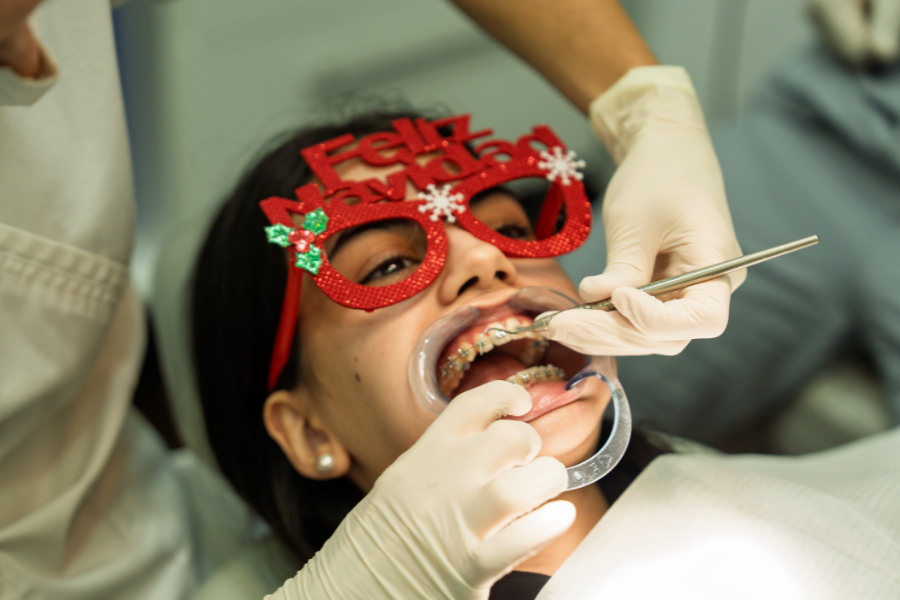
Most people picture teenagers with braces when they think about orthodontic treatment. But what about adults in their 60s, 70s, or beyond? The truth is, age is not a barrier to straighter teeth or better oral health. More seniors today are visiting an orthodontist rochester than ever before, and the results speak for themselves.
If you have been living with crowded teeth, bite issues, or gaps that have bothered you for years, this post is for you. Let’s walk through what you need to know about orthodontic care as a senior, what’s realistic, and why it might be one of the best health decisions you make.
Why Seniors Are Seeking Orthodontic Care Now
Life gets busy. Many people put off dental work for decades, focusing on family, careers, and other priorities. Now, in retirement or as children grow up, seniors are finally making time for themselves.
There’s also a practical reason. Teeth shift over time. Even people who had braces as teens may notice their teeth have moved. This shifting can cause problems with chewing, speaking, and even jaw pain. Getting evaluated by an expert ortho specialist is not just about looks. It’s about function and long-term health.
In cities like Rochester, more adults over 60 are scheduling consultations and finding out that treatment is not only possible but also worth it.
Common Orthodontic Issues in Older Adults
As we age, certain dental issues become more common. These include:
Crowding: Teeth shift inward over time, especially the lower front teeth. This can make cleaning harder and raise the risk of gum disease.
Spacing: Gaps can develop or grow wider, especially after tooth loss. This can put extra pressure on surrounding teeth.
Bite problems: An uneven bite can lead to worn enamel, jaw discomfort, and headaches.
Relapse: Adults who had orthodontic treatment years ago and stopped wearing retainers often see their teeth shift back.
These are not small concerns. A crooked bite or crowded teeth can affect what you eat, how you speak, and how well you can clean your mouth.
Is Orthodontic Treatment Safe for Seniors?
Yes, it is safe for most healthy adults. The bone and tissue that hold teeth in place respond to orthodontic pressure at any age. The process may take a bit longer for older adults compared to younger patients, but it works.
That said, there are some factors your orthodontist will review before starting treatment. Gum health is very important. Active gum disease needs to be treated before orthodontic work begins. Bone density around the teeth also plays a role. If you have had tooth loss, implants, or bridges, your treatment plan will be adjusted to work around them.
A skilled orthodontist will do a full evaluation first. Nothing is started until it’s clear that treatment is both safe and right for your specific situation.
What Treatment Options Are Available for Seniors?
Modern orthodontics offers choices that go far beyond metal braces. Seniors today have access to options that are comfortable, discreet, and practical.
Clear aligners are one of the most popular choices for adults. They are removable, nearly invisible, and do not interfere with eating or daily habits. Brands like Invisalign are widely available.
Ceramic braces work like traditional braces but use tooth-colored brackets that blend in better.
Traditional metal braces are still a solid option in cases where more control is needed, especially for complex bite corrections.
Your orthodontist will recommend what works best based on your teeth, bone structure, and goals. There is no single right answer. It depends on your needs.
Local Insight: Orthodontic Care in Rochester
Rochester has a strong dental and healthcare community. Seniors here have access to experienced orthodontic providers who understand the unique needs of older patients. Many practices in the area work closely with general dentists and periodontists to make sure seniors get coordinated care.
If you have been putting off orthodontic treatment because you thought your age was a problem, the orthodontist rochester community of providers is well-equipped to help you move forward safely. The region also has a large senior population that is increasingly health-focused, making senior orthodontic care a growing and well-supported area of practice.
What Results Can Seniors Realistically Expect?
Expectations matter. Orthodontic treatment can improve alignment, close gaps, and correct bite issues. It can also make oral hygiene easier, which is a big deal for long-term tooth and gum health.
What it cannot do is replace missing teeth or reverse bone loss that has already happened. But when combined with other dental care, the results can be very meaningful. Many seniors report feeling more confident and eating more comfortably after treatment.
Treatment time for seniors typically runs between 12 and 24 months, depending on the complexity of the case. Some minor issues can be corrected in less time.
Frequently Asked Questions
1. Is there an age limit for orthodontic treatment?
No. There is no upper age limit. Adults of any age can receive orthodontic care as long as their gum and bone health supports it.
2. Will my insurance cover orthodontic treatment as a senior?
Most dental insurance plans have limited orthodontic coverage for adults. It’s worth checking with your plan. Many orthodontic offices also offer payment plans.
3. How long does treatment take for older adults?
It varies. Minor corrections may take 6 to 12 months. More complex cases can take 18 to 24 months or longer.
4. Does orthodontic treatment hurt?
There is some discomfort after adjustments, but it’s manageable. Most patients describe it as mild pressure that fades within a day or two.
5. Can I get braces if I have dental implants or a bridge?
Yes, in many cases. Your orthodontist will plan around existing dental work. Implants cannot move like natural teeth, so this is factored into your treatment plan.
6. Do I need a referral to see an orthodontist?
Usually not. You can contact an orthodontic office directly to schedule an evaluation.
7. What happens after treatment ends?
You will wear a retainer to keep your teeth in their new position. This is important for lasting results.
8. Is orthodontic treatment worth it at 65 or older?
For many seniors, yes. Better alignment supports easier cleaning, more comfortable chewing, and improved confidence.
Conclusion
It is never too late to take care of your teeth. Orthodontic treatment for seniors is not a trend. It is a practical response to real dental health needs that many older adults face. Whether you are dealing with shifting teeth, bite discomfort, or gaps from tooth loss, there are options available to you. The key is getting an honest evaluation from a qualified orthodontist who understands the needs of older patients. From there, you can make a clear, informed decision about whether treatment is right for you and what that process looks like.
If you have questions about adult or senior orthodontic care, the first step is simple. Schedule a consultation with a trusted orthodontist Rochester provider and get a clear picture of your options. No pressure. Just information so you can decide what’s best for your health.
Your smile, your choice. And it’s never too late to make it a healthier one.
Posted on February 28, 2026