AnywhereDolphin™

Search Blog:
Share Article:


Orthodontic Treatment for Overbite, Underbite, and Crossbite
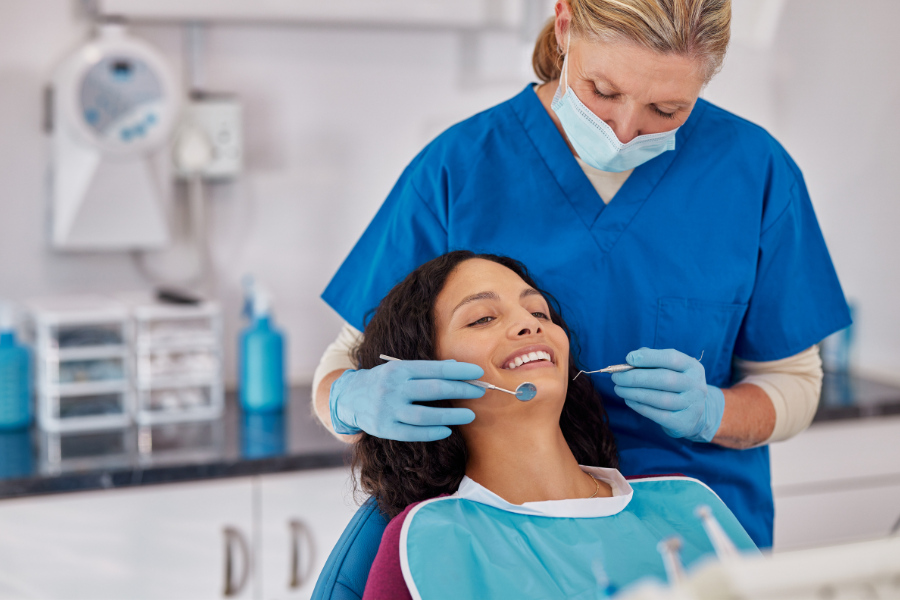
Bite concerns often develop gradually, yet they can affect daily comfort, oral function, and confidence over time. Many people notice changes while eating, speaking, or smiling, but they may not realize that these issues relate to how the upper and lower teeth fit together. For families living in Rochester and nearby areas, understanding bite conditions and available orthodontic treatment options can help prevent long-term complications.
An overbite, underbite, or crossbite can affect both appearance and oral health. Early awareness allows for smoother treatment and more predictable results. When patients search for an orthodontist, they often want clarity on what these conditions mean and how treatment works.
Understanding Common Bite Problems
Bite alignment describes how the upper and lower teeth meet when the mouth closes. Even small misalignments can create uneven pressure across the jaw and teeth.
- Overbite happens when your upper front teeth extend too far over the lower teeth.
- An underbite occurs when your lower teeth sit in front of the upper teeth.
- A crossbite develops when some upper teeth fit inside the lower teeth instead of outside.
Each condition presents unique challenges, yet all respond well to modern orthodontic care when addressed at the right time.
How an Overbite Affects Oral Health
It often causes uneven tooth wear and may contribute to jaw tension. Some patients experience difficulty biting into foods or notice speech changes. In children, growth patterns can influence how an overbite progresses over time.
Treatment options focus on guiding teeth and jaws into a healthier position. Clear aligners, braces, or growth-guiding appliances may help reduce this issue and improve function. Early treatment often shortens overall care time and supports balanced facial development.
What to Know About an Underbite
This orthodontic issue can affect chewing efficiency and may place stress on the jaw joints. In more noticeable cases, it can alter facial balance. Genetics often plays a role, but habits and growth patterns also contribute.
Orthodontic treatment may involve braces, aligners, or appliances that guide jaw growth in younger patients. In adults, treatment focuses on tooth movement and bite correction. A detailed evaluation helps determine the right approach for long-term stability.
Why Crossbite Should Not Be Ignored
It often affects only a few teeth, yet it can create uneven pressure during chewing. Over time, this imbalance may lead to enamel wear, gum concerns, or jaw discomfort. Crossbite issues can appear in the front or back teeth and may involve one or both sides of the mouth.
Correcting this orthodontic issue helps protect tooth structure and supports proper jaw alignment. Treatment may include expanders, braces, or aligners, depending on age and severity. Addressing this malocclusion early often leads to smoother outcomes.
Orthodontic Treatment Options Available Today
Modern orthodontic care offers flexible options designed around comfort and lifestyle. Treatment plans vary based on bite type, age, and overall oral health.
Common options include:
- Traditional braces for precise tooth movement
- Clear aligners for discreet correction
- Growth-guiding appliances for younger patients
- Retainers to maintain long-term results
A Rochester orthodontist evaluates how the teeth, jaws, and facial structure work together before recommending treatment. This careful planning ensures that concerns about overbite, underbite, and crossbite receive proper attention.
When to Seek an Orthodontic Evaluation
Parents often notice bite concerns as children grow, yet adults can benefit from treatment as well. Signs that may signal the need for an evaluation include:
- Difficulty biting or chewing
- Jaw discomfort or clicking
- Teeth wearing unevenly
- Crowded or shifting teeth
Many families in Rochester schedule evaluations during school breaks or routine dental visits. Searching for an orthodontist often marks the first step toward understanding treatment options.
What are the Local Considerations for Rochester Families?
Life in Rochester includes busy school schedules, sports, and seasonal activities. Orthodontic treatment plans often adapt to these routines. Flexible appointment scheduling and clear guidance help families stay consistent with care.
A trusted orthodontist understands how local lifestyles influence treatment timing and compliance. This local awareness supports smoother progress and better outcomes.
What to Expect During Treatment
Orthodontic care follows a structured process:
- Initial evaluation and imaging
- Discussion of treatment goals
- Placement of braces, aligners, or appliances
- Regular adjustments and monitoring
- Retention phase to maintain results
Each step focuses on improving bite alignment while keeping patients informed and comfortable. Treatment length varies, yet consistent follow-ups play a key role in success.
Supporting Oral Health During Treatment
Good oral hygiene supports orthodontic progress. Brushing, flossing, and routine checkups help prevent cavities and gum concerns while teeth move into place.
Patients often choose to have dental visits with Rochester orthodontist to maintain comprehensive oral care. This teamwork ensures that teeth stay healthy throughout treatment.
Frequently Asked Questions
1. Can adults fix an overbite or underbite?
Yes. Adults can correct bite issues using braces or clear aligners. Treatment focuses on tooth movement and bite balance.
2. Does a crossbite require treatment right away?
Early care helps prevent uneven wear and jaw strain. A consultation clarifies the best timing for correction.
3. How long does orthodontic treatment usually take?
Treatment length depends on bite type and severity. Many plans last between 12 and 24 months.
4. Are clear aligners effective for bite correction?
Clear aligners can treat mild to moderate overbite, underbite, and crossbite cases when used as directed.
5. What happens if bite issues stay untreated?
Untreated bite problems may lead to tooth wear, jaw discomfort, and shifting teeth over time.
Moving Forward with Confidence
If bite concerns affect comfort or confidence, it may be time to make a quick consultation to understand available options. Early guidance can simplify treatment and protect long-term oral health.When you are ready to visit our dental office, the team at Bateman Orthodontics is prepared to help you explore solutions. Our team focuses on clear communication, thoughtful care, and results that support healthy smiles across Rochester.
Posted on February 7, 2026