AnywhereDolphin™

Search Blog:
Share Article:


Mouthwash and Braces: What’s Dentist Recommended
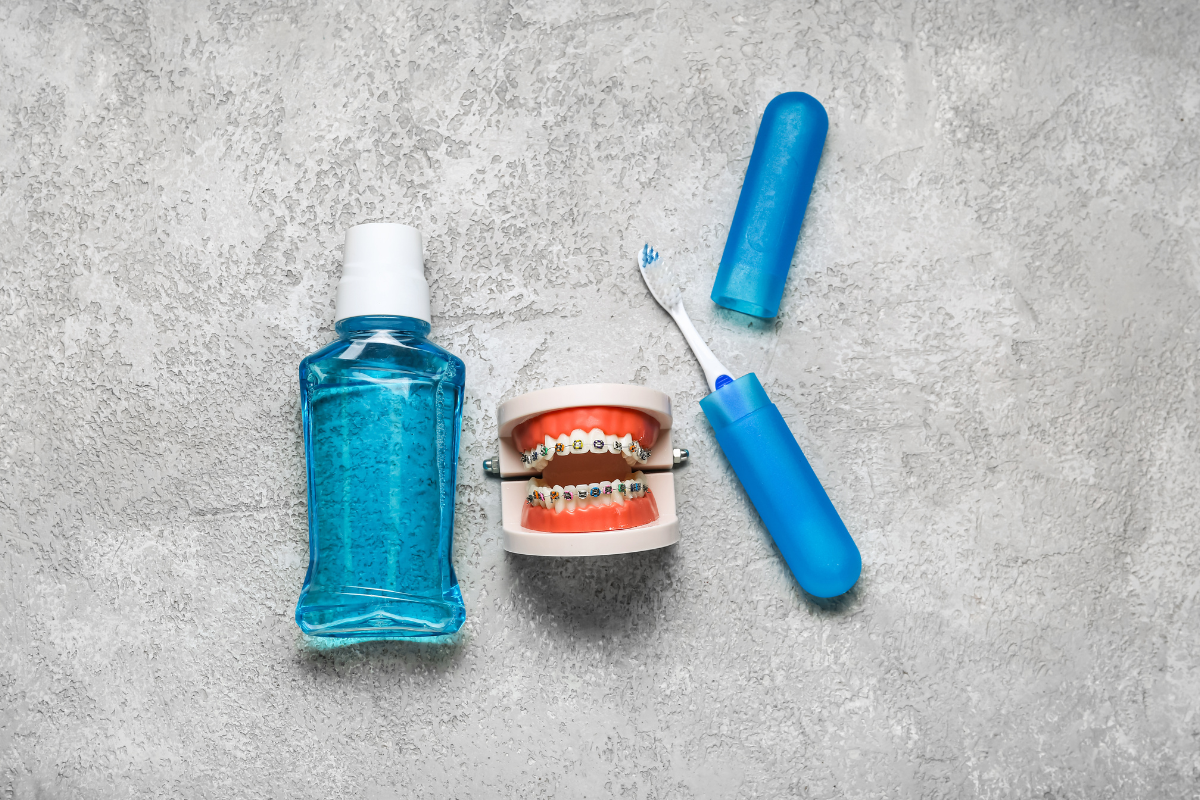
Braces do a great job of straightening teeth, but they also create extra spaces where food and plaque can hide. This makes daily oral care even more important. While brushing and flossing remain the foundation of good oral hygiene, many patients wonder if mouthwash can help protect their teeth and gums during treatment.
The answer is yes, but choosing the right mouthwash matters.
In this guide, we’ll explain which mouthwash options work best with braces, what ingredients to look for, and how to build a healthy oral care routine while wearing braces.
Why Oral Hygiene Matters More with Braces
Braces create small areas around brackets and wires where food particles can get trapped. If plaque stays on the teeth for too long, it can lead to:
- Tooth decay
- Gum irritation
- Bad breath
- White spots on teeth
- Gum disease
Many patients who visit an orthodontist are surprised by how quickly plaque can build up around braces. Adding the right mouthwash to your routine can help reach areas that brushing may miss.
Can You Use Mouthwash with Braces?
Yes. In fact, many orthodontic patients benefit from using mouthwash daily.
Mouthwash is not a replacement for brushing or flossing, but it can:
- Reduce bacteria in the mouth
- Freshen breath
- Strengthen enamel
- Help prevent cavities
- Support healthier gums
Patients seeking care from an orthodontist rochester often ask whether all mouthwashes are safe for braces. The good news is that most are, but some options provide better protection than others.
Types of Mouthwash for Braces
Understanding the different types can help you make the best choice.
Fluoride Mouthwash
Fluoride mouthwash is one of the most commonly recommended options for people with braces.
Benefits include:
- Helps strengthen tooth enamel
- Reduces cavity risk
- Protects hard-to-clean areas around brackets
Many orthodontic patients use fluoride mouthwash once a day as part of their routine.
Antibacterial Mouthwash
Antibacterial mouthwash helps reduce harmful bacteria that can cause plaque buildup and gum problems.
Benefits include:
- Supports gum health
- Helps control plaque
- Reduces bad breath
This option may be recommended if you experience swollen or bleeding gums during treatment.
Alcohol-Free Mouthwash
Alcohol-free formulas are often preferred because they are gentle on oral tissues.
Benefits include:
- Less irritation
- Better moisture balance
- Comfortable daily use
Many professionals recommend alcohol-free products for younger patients and adults with sensitive mouths.
Ingredients to Look For
When shopping for mouthwash, check the label for:
Fluoride
Fluoride helps protect enamel from acid attacks and lowers the risk of cavities.
Cetylpyridinium Chloride (CPC)
This ingredient helps reduce bacteria and plaque.
Xylitol
Xylitol can help limit bacterial growth and support a healthier oral environment.
If you’re unsure which product fits your needs, an experienced orthodontist can provide personalized recommendations.
Ingredients to Avoid
Not all mouthwashes are ideal for braces patients.
Be cautious with:
- High-alcohol formulas that can cause dryness
- Products with excessive whitening agents
- Mouthwashes that cause irritation or burning
If a product causes discomfort, stop using it and discuss alternatives with your dental provider.
How to Use Mouthwash with Braces
For the best results:
- Brush thoroughly after meals.
- Clean between teeth and wires using floss or interdental cleaners.
- Rinse with mouthwash for the recommended time.
- Avoid eating or drinking for about 30 minutes afterward if using a fluoride rinse.
Patients who follow a consistent routine often experience fewer oral health issues during treatment.
Common Oral Health Challenges During Orthodontic Treatment
Braces can increase the likelihood of certain problems.
Bad Breath
Food particles trapped around brackets can lead to unpleasant odors. Mouthwash helps reduce odor-causing bacteria.
Gum Inflammation
Plaque buildup can irritate gum tissue. Antibacterial rinses may help support healthier gums.
White Spot Lesions
These chalky marks can develop when plaque remains on teeth for long periods. Fluoride mouthwash can help reduce this risk.
Many patients visiting an orthodontist rochester are encouraged to maintain a complete oral care routine to avoid these concerns.
Local Oral Health Tips for Families
Families throughout the Rochester and Brockport communities have access to many dental offices and oral health providers. With so many choices available, patients often look for a practice that focuses on personalized care, education, and long-term results.
Weather changes, busy school schedules, sports activities, and daily routines can sometimes make oral hygiene harder to maintain. That’s why regular checkups, consistent home care, and professional guidance are important throughout orthodontic treatment.
At Bateman Orthodontics, patients receive treatment plans tailored to their individual needs, helping them stay on track with both tooth movement and oral health goals.
Signs You Should Talk to Your Orthodontic Team
Contact your provider if you notice:
- Persistent bad breath
- Swollen gums
- White spots on teeth
- Bleeding while brushing
- Increased tooth sensitivity
- Difficulty cleaning around braces
An experienced orthodontist can identify issues early and recommend solutions before they become larger problems.
Building the Best Daily Routine
A simple routine can make a big difference:
- Brush at least twice daily
- Floss every day
- Use orthodontic cleaning tools
- Rinse with a recommended mouthwash
- Attend regular appointments
- Limit sugary snacks and drinks
Patients who stay consistent with these habits often achieve healthier smiles throughout treatment.
Conclusion
Mouthwash can be a valuable part of your braces care routine when used alongside proper brushing and flossing. Choosing an alcohol-free or fluoride mouthwash can help protect teeth, reduce plaque, and support healthier gums while your smile is being transformed.
If you have questions about the best products for your specific needs, consult an local orthodontist for guidance. Families throughout the area have many options for orthodontic care, but finding a provider who prioritizes patient education and long-term oral health is important.
The team at Bateman Orthodontics serves patients in Rochester and Brockport with personalized orthodontic care and practical oral hygiene guidance. To learn more about caring for your braces and protecting your smile during treatment, schedule an consultation with Bateman Orthodontics. An experienced orthodontist rochester can help you make informed decisions every step of the way, while a trusted orthodontist ensures your treatment stays on track.
Frequently Asked Questions
1. Should I use mouthwash every day while wearing braces?
Yes. Daily use can help reduce bacteria, strengthen enamel, and improve overall oral hygiene.
2. Is fluoride mouthwash safe for braces?
Yes. Fluoride mouthwash is commonly recommended because it helps protect teeth from decay.
3. Can mouthwash replace brushing and flossing?
No. Mouthwash should be used as a supplement to brushing and flossing, not a replacement.
4. What type of mouthwash is best for sensitive gums?
Alcohol-free mouthwash is often a good choice because it is gentler on oral tissues.
5. How long should I rinse with mouthwash?
Follow the instructions on the product label, which is usually between 30 and 60 seconds.
6. Can mouthwash help prevent bad breath during treatment?
Yes. Mouthwash can reduce odor-causing bacteria and help keep your breath fresh.
7. Are whitening mouthwashes recommended with braces?
Many dental professionals suggest focusing on cavity protection and gum health rather than whitening during active treatment.
8. What should I do if mouthwash causes irritation?
Stop using the product and speak with your dental provider about alternative options.
Posted on June 27, 2026