AnywhereDolphin™

Search Blog:
Share Article:


Maintaining Oral Hygiene with Braces: Essential Tips for Patients
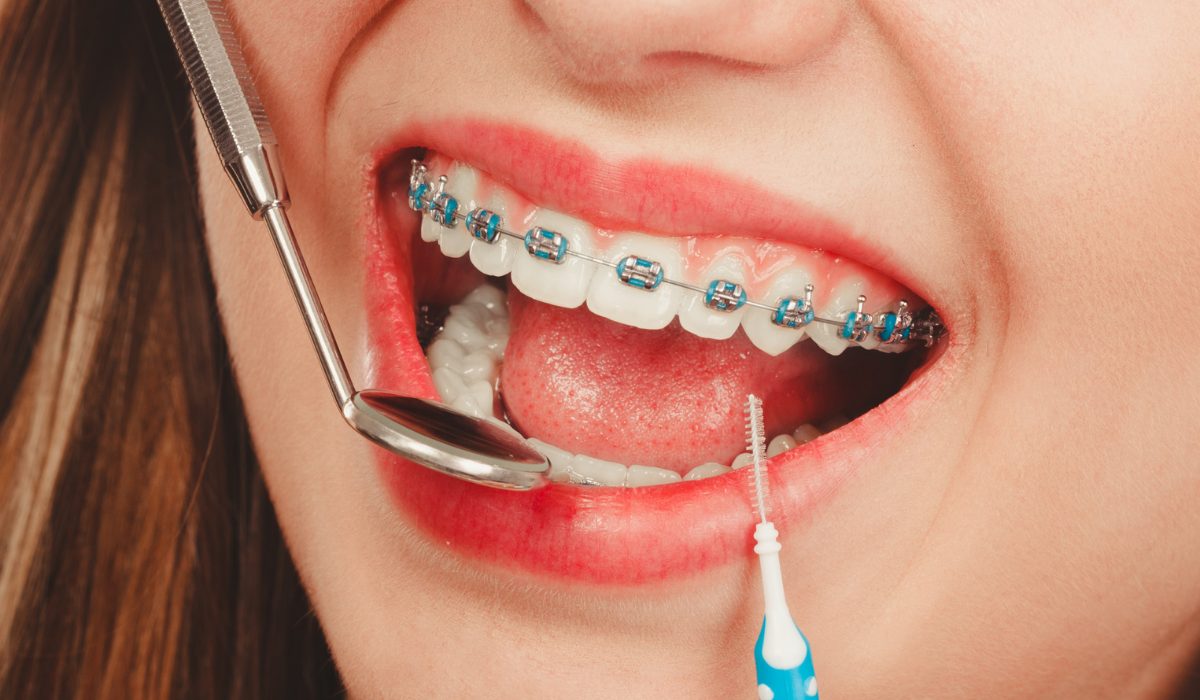
Getting braces is a big step toward a straighter smile, but it also means your daily care routine needs to work a little harder. Brackets and wires create extra spots where food and plaque can hide, and skipping good habits during treatment can lead to problems that stick around long after the braces come off. If you or your child just started braces rochester patients trust, or are getting ready to, this guide covers exactly what to do to keep your mouth healthy the whole way through.
At Bateman Orthodontics, we walk every patient through a real cleaning routine at their first appointment, not just a quick reminder to brush more. Good habits during treatment protect your results and your overall oral health long term. Here is what that actually looks like day to day.
Why Oral Hygiene Matters More With Braces
Braces create small gaps and ledges around your teeth that a regular toothbrush cannot always reach. Food particles settle into these spots and turn into plaque faster than most people expect. Left alone, that plaque buildup can lead to cavities, swollen gums, and white spots on your teeth once the brackets come off.
This is not meant to scare you away from treatment. It just means the daily routine matters more right now than it used to. A few extra minutes each day protects your results and keeps your dentist visits simple during treatment. It is one of the most common topics we cover with new braces rochester patients during their first appointment.
Brushing With Braces: What Actually Works
Brushing with braces takes more attention than brushing normally. Speed does not get the job done. Direction and patience do.
- Brush after every meal when possible. Food gets caught around brackets quickly, so a quick brush helps even if you cannot do a full routine.
- Angle your brush toward the gumline. Aim the bristles at a 45-degree angle above and below each bracket to catch trapped food.
- Use a soft-bristle or orthodontic toothbrush. These are designed to clean around brackets without damaging wires.
- Spend at least two minutes per session. Rushing is the most common reason plaque builds up during treatment.
- Consider an electric toothbrush. Many patients find these easier to maneuver around brackets and wires.
Patients who ask an orthodontist rochester families rely on about brushing technique are often surprised by how much of a difference the right angle makes, compared to just brushing harder or longer.
Flossing With Braces (Yes, It’s Still Necessary)
Flossing with braces is trickier, but skipping it is one of the biggest mistakes patients make during treatment. The wire blocks floss from moving straight down between teeth the way it normally would.
A few tools make this easier:
- Floss threaders guide floss underneath the wire so you can clean between teeth normally.
- Orthodontic floss comes with a stiffened end built in, which removes the need for a separate threader.
- Water flossers use a thin stream of water to clean between teeth and around brackets, which many patients find faster and easier to stick with.
Whichever tool you choose, aim to floss at least once a day. It takes longer with braces, but it is one of the most effective ways to prevent gum irritation during treatment. Most providers, including any orthodontist rochester patients see regularly, will show you the exact threading technique during your first cleaning demonstration.
Everyday Habit vs. Braces-Friendly Upgrade
Some small swaps make daily care noticeably easier while wearing braces. Here is a simple comparison to help you choose a few upgrades that fit your routine.
| Daily Habit | Braces-Friendly Upgrade | Why It Helps |
| Regular floss | Floss threader or water flosser | Gets under the wire without extra effort |
| Manual toothbrush | Orthodontic or electric toothbrush | Cleans around brackets more effectively |
| Brushing once a day | Brushing after meals | Removes trapped food before it turns into plaque |
| Skipping mouthwash | Fluoride rinse | Adds extra protection between brushings |
| Guessing at trouble spots | Disclosing tablets | Shows exactly where plaque is being missed |
None of these upgrades need to happen all at once. Picking even one or two can make a real difference in how your teeth look once treatment ends.
Foods to Watch Out For
What you eat matters just as much as how you brush. Certain foods can damage brackets or wires, which slows down your treatment and adds unplanned visits.
Foods to avoid or limit include:
- Sticky or chewy candy, like caramel and gummy bears
- Hard foods, including ice, nuts, and hard candy
- Crunchy foods that require biting down hard, like whole apples or corn on the cob
- Sugary drinks and snacks, which increase plaque buildup around brackets
Cutting fruits and vegetables into smaller pieces instead of biting directly into them can help you keep eating the foods you enjoy without putting extra stress on your brackets.
What to Do If You Notice a Problem
Even with good habits, small issues can come up during treatment. A wire may poke your cheek, or a bracket may feel loose after a meal. These are common and rarely urgent, but it is worth knowing what to do.
Orthodontic wax can cover a sharp edge until your next visit. If a wire is poking you, try gently pushing it back into place with a clean cotton swab, and never attempt to cut it yourself. For anything more serious, like a bracket that has come off completely, contact your provider so they can decide whether you need to come in sooner than your next scheduled visit. Any experienced orthodontist rochester patients call for these issues will usually be able to tell over the phone whether same-day care is needed.
Know Our Orthodontists
Good hygiene habits work best when they are backed by a team that explains exactly what to expect. Here is a closer look at the doctors behind every treatment plan at our practice.
Dr. Jeremy Bateman earned his Bachelor of Arts in Biological Sciences and Master of Science in Oral Sciences from SUNY Buffalo, then completed his Doctorate of Dental Medicine at Temple University, graduating as valedictorian on a military scholarship. He finished his orthodontic training at Wilford Hall Medical Center and served seven years in the U.S. Army, reaching the rank of Major, later teaching orthodontic residents at Womack Army Medical Center. With more than 15 years of experience, he makes sure every patient leaves their first appointment with a clear, practical care routine, not just general advice.
Dr. Ben Levenson grew up in Longmeadow, Massachusetts, and studied chemistry at Syracuse University, graduating with honors, before completing his dental education at the University of Maryland School of Dentistry. He is a board-certified orthodontist through the American Board of Orthodontics and holds memberships with the American Association of Orthodontists and the New York State Dental Association, among others. Dr. Levenson takes time with younger patients especially, making sure kids and teens actually understand their cleaning routine instead of just being told to brush more.
Together, they lead a team trusted across Brockport, Greece, and Irondequoit for clear, practical guidance at every visit. If you have been searching “orthodontist near me” wondering who will actually walk you through daily care instead of rushing through it, this is exactly the kind of team you want in your corner.
What Our Patients Say
Reviews from real patients tell the story better than any marketing copy can.
“Staff are amazing and so personable, which is something you don’t see much of anymore. Would recommend 100 times over! My daughter was so scared of braces and absolutely loves coming here because they are so great!!”
★★★★★ (Amy Thomas)
Feedback like this reflects exactly what good hygiene support during treatment is meant to do: make the process feel manageable, not overwhelming, from the first appointment to the last.
Building a Routine That Actually Sticks
The biggest challenge with braces care is not knowing what to do. Most patients understand the basics within the first week. The real challenge is staying consistent once treatment stretches into month six or month twelve.
A few small tricks help routines last. Keep a travel toothbrush and floss threaders in a backpack or car for after-lunch cleaning. Set a phone reminder for the two-minute mark while brushing, since most people underestimate how long two minutes actually feels. For kids and teens, a simple visual chart on the bathroom mirror can turn cleaning into a habit instead of a chore parents have to enforce every night. If you are choosing a provider based on an “orthodontist near me” search, ask whether they walk new patients through this kind of routine at the first visit.
Why Regular Checkups Still Matter
Good habits at home go a long way, but professional cleanings and checkups catch what daily brushing and flossing miss. Your family dentist should continue regular cleanings during orthodontic treatment, working alongside your provider to keep your teeth and gums healthy the whole time.
According to the American Dental Association, patients in active orthodontic treatment often benefit from more frequent dental cleanings, since braces make it easier for plaque to build up in places brushing alone cannot fully reach. That guidance lines up with what we tell every patient at our practice, whether they are just starting treatment or getting close to their braces coming off.
Keep Your Smile on Track
Good hygiene during orthodontic treatment protects more than your teeth. It protects the results you are working toward the entire time you wear braces. A few extra minutes each day, the right tools, and regular checkups make a real difference by the time your braces come off.
Our team at Bateman Orthodontics has helped patients across Brockport, Greece, and Irondequoit build hygiene routines that actually stick, whether you are managing braces rochester wide or just getting started with your first set. If you are ready for a clear, practical plan, request an appointment with our team today. And if you are still searching “orthodontist near me” while weighing your options, we would love the chance to show you what real, hands-on guidance looks like.
Frequently Asked Questions
1. How often should I brush while wearing braces?
Brushing after every meal is ideal, but at minimum, brush thoroughly twice a day for at least two minutes each time.
2. Can I use a regular toothbrush with braces?
Yes, but a soft-bristle or orthodontic toothbrush usually cleans around brackets more effectively than a standard one.
3. Is mouthwash necessary during treatment?
It is not required, but a fluoride rinse can add extra protection in areas that brushing and flossing might miss.
4. What happens if plaque builds up too much during treatment?
It can lead to white spots, gum irritation, or cavities that become visible once the braces are removed.
5. Are water flossers better than string floss for braces?
Many patients find water flossers easier to use consistently, though both can be effective when used correctly.
6. Can I still eat normally with braces?
Most foods are fine in moderation. Sticky, hard, and very crunchy foods are the main ones to avoid or modify.
7. How soon should I see a dentist after getting braces?
Continue your regular six-month dental cleanings throughout treatment, unless your dentist recommends more frequent visits.
8. What should I do if a bracket feels loose?
Contact your provider’s office. It is rarely an emergency, but they can advise whether you need an earlier visit.
Have questions about keeping your smile healthy during treatment? Contact Bateman Orthodontics in Brockport, Greece, or Irondequoit to schedule a visit and get a routine that actually works for you.
Posted on September 7, 2023