AnywhereDolphin™

Search Blog:
Share Article:


Invisalign for Overbite, Underbite, and Crossbite Explained
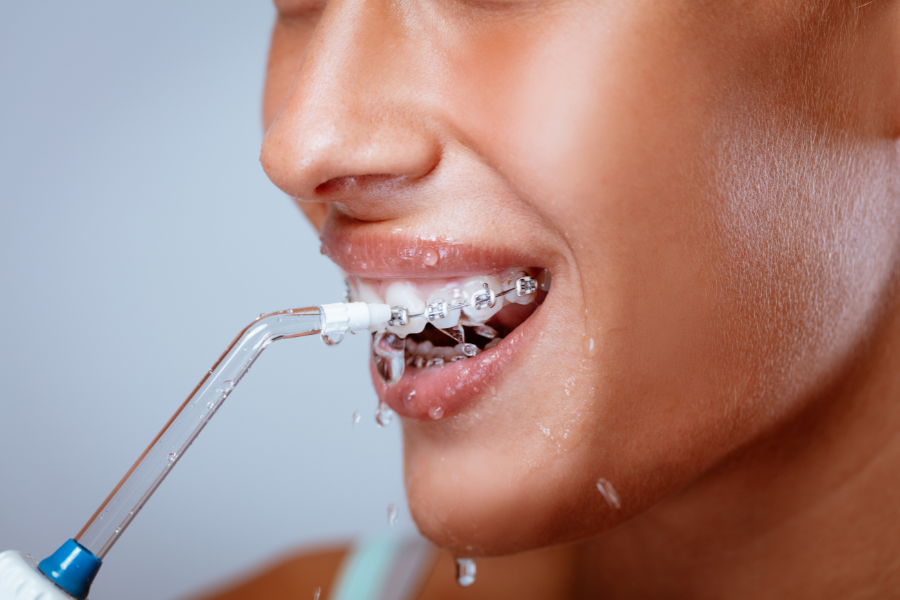
If your teeth don’t line up the way they should, you’re not alone. A lot of people have some type of bite issue, and many don’t even know it until a dentist points it out. The good news is that clear aligners have made fixing these problems easier than ever.
If you’ve been looking into Invisalign in Rochester, this post will help you understand what each bite problem actually is, how aligners work to correct it, and what you can realistically expect from treatment.
What Is a Bite Problem, and Why Does It Matter?
A bite problem (called a malocclusion) happens when your upper and lower teeth don’t fit together correctly. Some people have it from a young age. Others develop it over time from habits like thumb sucking, mouth breathing, or losing baby teeth too early.
Left alone, bite issues can cause uneven tooth wear, jaw pain, trouble chewing, and sometimes speech issues. That’s why most providers focused on orthodontics Rochester recommend addressing bite problems sooner rather than later.
The Three Main Bite Issues Invisalign Can Treat
Overbite
An overbite means your upper front teeth overlap your lower front teeth too much. A small overlap is actually normal. The problem starts when the overlap is too deep, and the lower teeth begin to press into the roof of the mouth.
You might notice a rounded facial profile, upper teeth that seem to jut forward, or worn edges on your lower front teeth. Invisalign uses a set of custom trays to slowly move the teeth into better alignment. For many patients, this reduces the bite depth without the need for metal braces at all.
Underbite
An underbite is the opposite. Here, the lower front teeth sit in front of the upper teeth when the mouth is closed. This can make it harder to bite into food and may put extra strain on the jaw.
Mild to moderate underbites tend to respond well to Invisalign. Severe cases may need additional treatment. A provider offering Invisalign in Rochester can take a look at your bite and let you know exactly what’s possible with aligners in your situation.
Crossbite
A crossbite happens when some of your upper teeth sit inside (rather than outside) your lower teeth. It can affect just one tooth or a whole section. Over time, this misalignment can cause the jaw to shift to one side, leading to uneven wear and soreness.
Invisalign handles crossbite correction well, especially when the issue is caught at an earlier stage. The trays work by applying steady, controlled pressure to move each tooth into the right spot. Your provider will map this out ahead of time using 3D imaging so you can see the expected results before you even start.
How Invisalign Works, Step by Step
The process is straightforward. Here’s what it looks like from start to finish:
Your provider takes digital scans of your teeth (no messy putty impressions). A 3D treatment plan is built to show how your teeth will move. Custom trays are made to match your teeth and treatment plan. You wear each set of trays for one to two weeks, then move to the next. Check-ins happen every six to eight weeks so your provider can monitor progress.
You need to wear the trays 20 to 22 hours a day for them to work. You take them out to eat, drink anything other than water, and brush your teeth. That’s it.
Is Invisalign the Right Choice for Your Bite?
Invisalign works well for a wide range of cases, but it isn’t right for everyone. Your provider will look at a few key things before recommending it:
The type and how bad your bite problem is. Your age and whether your jaw is still growing. Your overall dental health. Whether you can wear the trays consistently each day.
Teens and adults have both had good results with Invisalign. If you’re in the area, a visit to a local practice focused on orthodontics Rochester is the most direct way to find out if you qualify.
What to Expect Living in Rochester
Rochester, New York has no shortage of skilled dental providers. Whether you’re near the East End, out in Brighton, Pittsford, or Webster, access to quality orthodontic care is within reach.
Most Rochester patients who start Invisalign see visible shifts within the first two to three months. Total treatment time depends on how much correction is needed. Simple cases can finish in six months. More involved bite corrections may take 18 months or more.
Many practices offering Invisalign in Rochester accept insurance and offer payment plans. Ask about both during your first visit so you go in knowing the full picture.
After Treatment: Keeping Your Bite in Place
Once your trays are done, you’ll get a retainer. This is what holds your teeth in their new positions. Skipping the retainer is the main reason teeth shift back after treatment.
Most people wear their retainer every night for the first year, then a few nights a week after that. Your provider at your orthodontics Rochester office will give you a clear routine to follow based on your specific case.
Frequently Asked Questions
1. Can Invisalign fix a severe overbite?
It depends on how deep the bite is. Mild to moderate overbites respond well to Invisalign. Very deep bites may need a combination of aligners and other appliances. Your provider will tell you what’s possible after examining your teeth.
2. How long does Invisalign take for a crossbite?
Most crossbite cases take between 12 and 18 months. Simpler corrections can be done faster. A 3D scan at your first visit will give you a clearer timeline.
3. Is Invisalign painful?
There is some pressure when you switch to a new tray. Most people describe it as mild soreness for the first day or two. It fades quickly and is much less discomfort than traditional braces.
4. Will insurance cover Invisalign in Rochester?
Many dental insurance plans that cover braces will also cover Invisalign, at least in part. Coverage varies by plan, so check with your provider before starting.
5. Can teenagers use Invisalign for bite correction?
Yes. There is a version called Invisalign Teen that includes extra features like compliance indicators and replacement trays. Many teens in Rochester use it successfully.
6. Do I need to see a specialist, or can my regular dentist do it?
Some general dentists are certified to provide Invisalign. For more complex bite issues (like a significant underbite or crossbite), seeing an orthodontist is usually the better choice.
7. What happens if I don’t wear my trays enough?
Your teeth won’t move on schedule. Treatment takes longer, and in some cases, new trays may need to be made. Consistency is the most important factor in getting results.
8. Is there a best age to start Invisalign for bite problems?
There’s no single best age. Adults and teens both do well. Younger teens may need to wait until most of their adult teeth have come in. Your provider can tell you if the timing is right.
Conclusion: Making an Informed Decision
Bite problems don’t fix themselves, but the options for treating them have come a long way. Whether you’re dealing with an overbite, underbite, or crossbite, Invisalign offers a clear and practical path forward for many patients.The best next step is getting a proper evaluation. Schedule a consultation with a provider focused on orthodontics Rochester to find out where your bite stands and what treatment would look like for you. A single visit can give you a clear picture and a plan, so you’re not left guessing.
Posted on February 21, 2026