AnywhereDolphin™

Search Blog:
Share Article:


How Can You Relieve Braces Pain and Discomfort at Home?
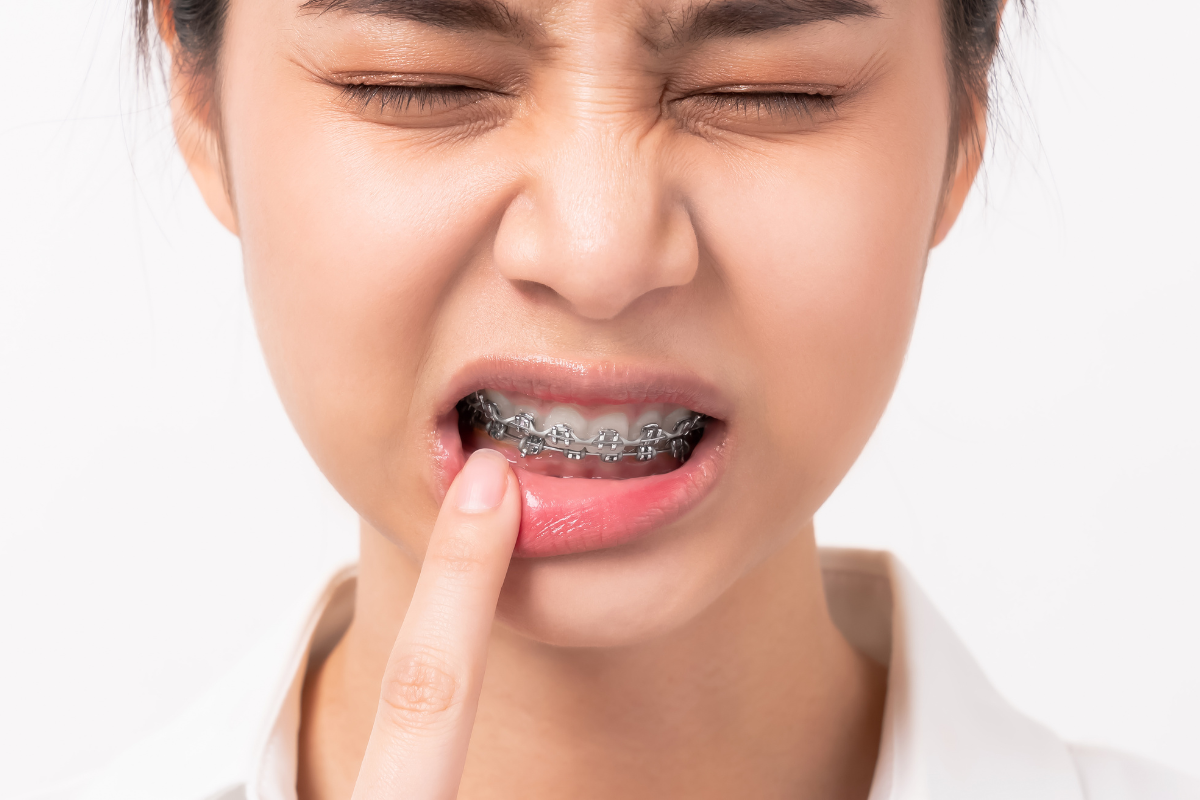
Getting braces is an exciting step toward a healthier smile, but the first few days can bring some soreness. Your teeth are adjusting to new pressure, and your cheeks and lips are getting used to a bit of new hardware in your mouth. If you or your child just started treatment for braces in Rochester, that tender, achy feeling is completely normal and usually fades within a week. The good news is that most of this discomfort can be managed right at home with a few simple steps.
Why Braces Cause Pain in the First Place
Braces work by placing gentle, steady pressure on your teeth to guide them into a better position. That pressure is what causes the mild soreness many patients feel, especially after the braces are first placed or tightened during an adjustment visit. The brackets and wires can also rub against the inside of your cheeks and lips until your mouth gets used to them. This kind of pain is a sign that the treatment is working, not a sign that something is wrong. Most people notice the worst of it in the first three to five days, with the discomfort easing steadily after that.
Home Remedies That Actually Help
Rinse With Warm Salt Water
A warm salt water rinse is one of the oldest tricks in the book, and it still works well. Salt water helps calm swollen gum tissue and soothes small sores caused by wires or brackets. Mix about half a teaspoon of salt into a cup of warm water and swish it around your mouth for thirty seconds, a few times a day. It is gentle, cheap, and easy to do after every meal.
Use Orthodontic Wax
Orthodontic wax is a small but mighty tool. If a bracket or wire is poking your cheek or lip, roll a tiny piece of wax between your fingers and press it right over the spot that is bothering you. This creates a smooth barrier so the metal stops rubbing against soft tissue. Most orthodontic offices, including ours, hand out wax at every visit so patients always have some on hand.
Try a Cold Compress or Ice
Cold therapy reduces swelling and numbs sore areas, which makes it a solid option right after an adjustment. Hold a cold pack or a bag of ice wrapped in a towel against the outside of your jaw for ten to fifteen minutes at a time. Sucking on ice chips or eating cold foods like yogurt or a smoothie can bring relief from the inside as well.
Eat Soft Foods for a Few Days
Chewing puts direct pressure on teeth that are already sensitive, so switching to softer foods for a short stretch makes a real difference. Mashed potatoes, scrambled eggs, soup, pasta, and smoothies are easy on the mouth while your teeth settle. Avoid anything crunchy, sticky, or chewy until the soreness passes, since foods like caramel or hard pretzels can also damage the brackets themselves.
Over-the-Counter Pain Relief
A standard dose of ibuprofen or acetaminophen, taken as directed on the label, can take the edge off during the first couple of days. Some patients find it helpful to take a dose about an hour before a scheduled tightening appointment so the peak soreness afterward feels much milder. Always check with your doctor or pharmacist about the right dosage for your age and health history.
Quick Comparison: Home Remedies at a Glance
| Remedy | Best For | How Fast It Helps |
| Salt water rinse | Sore gums, small cuts | Within a few hours |
| Orthodontic wax | Wire or bracket rubbing | Almost instant |
| Cold compress or ice | Swelling and jaw ache | 15 to 20 minutes |
| Soft food diet | General tooth soreness | Ongoing, several days |
| OTC pain relief | Widespread discomfort | 30 to 60 minutes |
Using two or three of these together, such as wax plus a soft diet plus a salt rinse, usually gives the best relief while your mouth adjusts.
When Home Care Isn’t Enough
Home remedies handle the normal, expected soreness that comes with braces, but they are not a fix for every problem. If a wire snaps and is poking sharply into your cheek, if you notice a bracket has come loose, or if pain is sharp and does not improve after several days, it is time to call your orthodontic office rather than wait it out. Searching for an “orthodontist near me” late at night when something feels wrong is common, and most practices, ours included, keep time open for these kinds of same-week concerns so small issues do not turn into bigger ones.
Know Our Orthodontists
Behind every treatment plan at Bateman Orthodontics are two doctors who bring years of training and a genuine interest in patient comfort to every visit.
Dr. Jeremy Bateman earned his dental degree from Temple University after completing his undergraduate and graduate studies in biological sciences and oral sciences at SUNY Buffalo. He went on to complete his orthodontic certificate at Wilford Hall Medical Center and served seven years in the U.S. Army, reaching the rank of Major, with postings at Fort Sam Houston and Fort Bragg. He is a member of the American Board of Orthodontics, the American Association of Orthodontists, and the American Dental Association, among other professional groups. Dr. Bateman has lived in the Rochester area for years and still teaches at a local dental assisting program, staying close to the training side of his field even while running a full practice.
Dr. Ben Levenson grew up in Longmeadow, Massachusetts, and studied chemistry at Syracuse University, graduating with honors. He completed his dental education at the University of Maryland School of Dentistry, graduating at the top of his class, and earned his orthodontic certificate at the Eastman Institute for Oral Health right here in Rochester. He is a board-certified orthodontist through the American Board of Orthodontics and holds memberships with the American Association of Orthodontists and the New York State Dental Association. Patients often mention how patiently he walks them through each stage of treatment before moving forward.
Together, these two doctors see patients across all three office locations, offering braces in rochester and the surrounding towns with the same standard of care at every chair.
Tips to Prevent Braces Pain Before It Starts
A little planning before your appointments can lower how much soreness you feel later. Keep a small kit at home with orthodontic wax, a soft-bristle toothbrush, and a bottle of pain reliever so you are never caught without what you need. Stock your fridge with a few soft foods before each adjustment visit, since you may not feel like cooking that evening. Brushing gently but thoroughly around the brackets also helps prevent gum irritation that can make general soreness feel worse than it needs to.
Frequently Asked Questions
1. How long does soreness last after getting braces put on?
Most people feel the most discomfort for the first three to five days, with it fading steadily over the following week.
2. Is it normal for teeth to feel loose during treatment?
Yes. Teeth need to move slightly within the bone to shift into a new position, so a bit of looseness is expected and temporary.
3. Can I eat normally right after an adjustment?
It is best to stick to softer foods for a day or two after tightening, since chewing puts direct pressure on already sensitive teeth.
4. What should I do if a wire is poking me?
Cover the sharp end with a small piece of orthodontic wax right away, and call the office if the poking continues or the wire has clearly broken.
5. Are cold drinks or ice safe with braces?
Yes, cold foods and drinks are generally safe and can even help numb soreness, though very hard ice cubes should not be chewed directly.
6. How often are adjustment appointments usually scheduled?
Most treatment plans call for a checkup every four to eight weeks, depending on the type of braces and the stage of treatment.
7. Does pain get worse with each adjustment over time?
No, most patients report that soreness actually becomes milder with each visit as their mouth gets used to the ongoing pressure.
8. Can children and adults expect the same level of discomfort?
Discomfort levels vary by person more than by age, though adults sometimes report slightly more initial sensitivity since their bone remodels a bit more slowly.
Ready for a More Comfortable Smile Journey?
A little soreness is a small price to pay for a smile you will love for the rest of your life, and most of it can be managed easily with the steps above. If your discomfort feels unusual, or if you are ready to start treatment and want a team that explains every step along the way, our doctors and staff are here to help across our Brockport, Greece, and Irondequoit locations.
Whether you are typing “orthodontist near me” for the first time or you are already a patient with a question about your braces in Rochester, reaching out early always makes things easier. Schedule a consultation with Bateman Orthodontics today and take the next step toward a smile you are proud to share.
Tags:
Posted on September 29, 2026