AnywhereDolphin™

Search Blog:
Share Article:


How Can You Manage Discomfort When Starting a New Set of Invisalign Aligners?
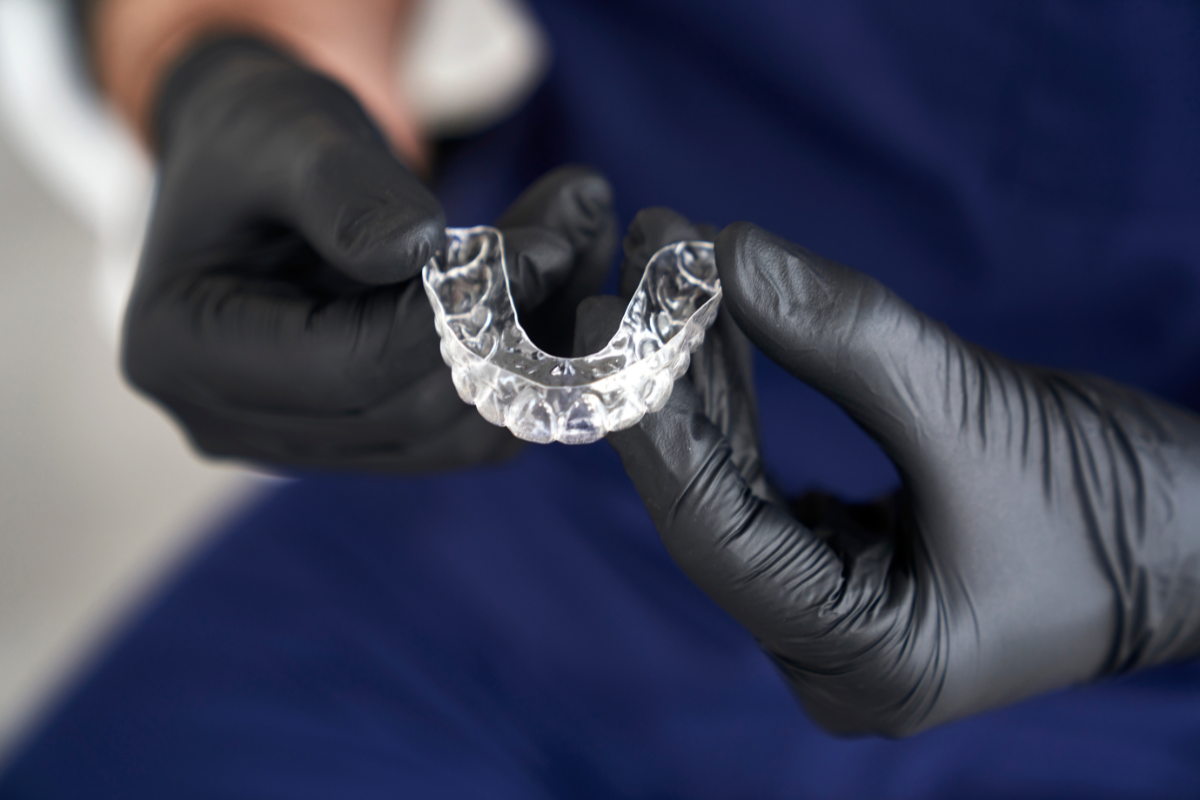
Starting a new set of Invisalign® aligners can feel a little different from the previous set. Your teeth may feel tight, tender, or slightly sore for the first few days. For patients considering invisalign in rochester, knowing what to expect can make the adjustment much easier.
This mild pressure happens because each new aligner is made to guide your teeth into their next planned position. The pressure is usually temporary and often becomes easier to manage as your mouth adjusts.
Still, not every type of pain should be ignored. Knowing how to ease normal discomfort and when to contact your orthodontic team can help keep your treatment on track.
Why Can a New Set Feel Tight?
Every Invisalign aligner is designed for a specific stage of treatment. As you move from one tray to the next, the new aligner applies controlled pressure to different teeth.
You may notice:
- Mild pressure
- Tooth tenderness
- Slight soreness when chewing
- A tight feeling when inserting the tray
- Minor gum or cheek irritation
Invisalign notes that slight discomfort or tightness is common when starting treatment or moving to a new set. For many patients, this feeling lasts only a day or two.
The sensation does not necessarily mean something is wrong. It can simply mean your teeth are adjusting to the next stage of movement.
Start Your New Aligners at a Comfortable Time
Many patients find it easier to switch to a new set in the evening.
That gives your teeth several hours to adjust while you sleep. By the next morning, the initial pressure may already feel less noticeable.
Follow the change schedule provided by your orthodontist. Do not switch trays early just because the current set feels comfortable.
At Bateman Orthodontics, Invisalign treatment is planned around each patient’s orthodontic needs. The practice uses digital scanning and treatment planning to help create a customized series of aligners.
Keep Wearing Your Aligners as Directed
It may be tempting to remove your Invisalign aligners when your teeth feel sore. However, wearing them consistently is an important part of treatment. Bateman Orthodontics states that patients should generally wear their aligners for about 20 to 22 hours each day as directed. Taking them out for long periods may affect the planned movement and can make the next insertion feel uncomfortable.
Remove your aligners when instructed for meals, drinks other than water, brushing, and flossing. Then put them back in as directed. Consistency can help your mouth adjust to each new stage.
Choose Softer Foods for a Short Time
Tender teeth can make crunchy or firm foods less pleasant during the first few days of a new tray.
You can choose softer foods while the soreness settles, such as:
- Yogurt
- Eggs
- Oatmeal
- Pasta
- Soft fruit
- Soup
- Mashed potatoes
- Smoothies
This does not mean you need a special diet throughout treatment.
It is simply a way to reduce pressure on sensitive teeth while your mouth adjusts.
Try Cold Water or a Cold Compress
Cold can provide simple comfort when your teeth feel tender.
Taking small sips of cool water may feel soothing while your aligners are in place. If your jaw or the outside of your mouth feels sore, a cold compress against the cheek may also help.
Keep the compress wrapped in a cloth rather than placing ice directly against your skin.
If discomfort remains strong despite simple measures, contact your orthodontic office instead of trying to push through it.
Consider Over-the-Counter Pain Relief
Some patients use an over-the-counter pain reliever when mild soreness occurs.
If you choose to use one, follow the package directions and make sure it is safe for you. Ask your doctor or pharmacist if you are unsure about a medication or have a health condition that could affect its use.
Medication should not be used to hide severe or unusual pain.
If the discomfort feels much stronger than expected, your orthodontist should know.
Check the Fit of Your Invisalign Aligners
Your aligners should fit closely over your teeth.
A new tray may feel tight, but it should not cause severe pain or appear badly distorted. If you notice a large gap between the aligner and a tooth, do not force the tray into place.
Contact your orthodontic team if:
- The aligner will not seat properly
- The tray is cracked or damaged
- One area causes sharp pain
- Your bite suddenly feels different
- The tray continues to feel unusually uncomfortable
Professional guidance can help determine whether the problem is part of normal adjustment or needs attention.
This is also an important reason to choose an orthodontist near me who remains available during treatment rather than relying only on general online advice.
What Is Normal and What Needs Attention?
Not every uncomfortable feeling means there is a problem.
| Usually Expected | Worth Calling About |
| Mild pressure | Severe pain |
| Slight tooth tenderness | Pain that keeps getting worse |
| Mild soreness when chewing | Major swelling |
| Tightness with a new tray | A tray that will not fit |
| Minor irritation | Broken or badly damaged aligner |
Your orthodontic team knows your treatment plan and can give advice based on your actual progress.
When patients search for an orthodontist rochester, they should consider more than treatment options. Access to professional guidance matters when something does not feel right.
How Long Does the Discomfort Last?
For many patients, the strongest pressure occurs during the first few days after changing aligners.
Invisalign’s patient guidance states that the tight feeling from a new aligner commonly lasts around a day or two. Individual experiences can vary based on the planned tooth movement and personal sensitivity.
Some trays may feel more noticeable than others.
A tray that creates more pressure does not automatically mean treatment is going wrong. However, severe, persistent, or unusual pain should be discussed with your orthodontist.
Keep Your Mouth Clean During Treatment
Good oral hygiene remains important while wearing Invisalign.
Brush your teeth and clean between them as directed. Your aligners should also be cleaned according to your orthodontist’s instructions.
Bateman Orthodontics points out that Invisalign aligners can be removed for brushing and flossing, which allows patients to maintain their usual oral hygiene routine.
Clean teeth and healthy gums create a better environment for orthodontic treatment.
When Should You Contact Your Orthodontist?
Do not wait for your next scheduled appointment if you experience a problem that concerns you.
Contact your orthodontic team if you have:
- Severe or sharp pain
- Significant swelling
- A damaged aligner
- An aligner that does not fit
- Bleeding or major gum irritation
- A sudden change in your bite
- Pain that does not improve
Your orthodontist can decide whether you need simple instructions, a replacement tray, or an in-person examination.
That professional support is especially useful for patients who have been searching for an orthodontist near me and want care that continues beyond the initial consultation.
Know Our Orthodontists
The person supervising your treatment matters just as much as the treatment system itself.
Dr. Jeremy Bateman
Dr. Jeremy Bateman was inspired to pursue orthodontics after having braces during college. He earned his Bachelor of Arts in Biological Sciences and Master of Science in Oral Sciences from SUNY Buffalo before earning his Doctorate of Dental Medicine from Temple University.
He completed his orthodontic training at Wilford Hall Medical Center and graduated as valedictorian of his dental class. He also served seven years in the U.S. Army, reaching the rank of Major.
Dr. Bateman continues to pursue education in orthodontic techniques and technology, with a focus on treatment quality, patient comfort, and lasting results.
Dr. Ben Levenson
Dr. Ben Levenson grew up in Longmeadow, Massachusetts. He attended Syracuse University, where he majored in chemistry and graduated with honors.
He completed dental school at the University of Maryland School of Dentistry and later completed his orthodontic training at the Eastman Institute for Oral Health in Rochester. He is also board-certified through the American Board of Orthodontics.
His Rochester connection and orthodontic training add local experience for patients seeking treatment in the area.
What Our Patients Say
Real patient experiences can offer useful insight into what treatment feels like beyond the clinical details.
“Amazing staff & quality care. I did Invisalign with Dr. Bateman. Not only did I finish with an aesthetic smile but also a better functioning one too. He is truly a perfectionist and I couldn’t be happier with my results!”
★★★★★, Jenna S
This testimonial is published by Bateman Orthodontics on its patient review page and specifically describes an Invisalign experience. For publication, the practice should verify the review’s exact Google Business Profile source and attribution before labeling it as a Google review.
Making Each New Tray Easier
A little pressure when changing Invisalign trays is often expected. Starting a new set at a comfortable time, wearing your aligners as directed, choosing softer foods, and using simple comfort measures can make the first few days easier.
The goal is not to avoid every sensation. The goal is to know what is normal and recognize when something needs professional attention.
For patients considering invisalign, that distinction can make the treatment experience feel much more manageable.
Bateman Orthodontics provides Invisalign treatment in Brockport and the Rochester area, including its Greece and Irondequoit locations. Book a consultation and we will help you understand whether Invisalign is appropriate for your teeth, bite, and treatment goals.
If you have been searching for an orthodontist near me, speaking directly with an orthodontic team can give you answers based on your own treatment needs rather than general advice found online.
Frequently Asked Questions
1. Is mild soreness normal with a new Invisalign tray?
Yes. Mild pressure and tenderness can occur when a new tray begins moving your teeth.
2. How long does the tight feeling usually last?
For many people, the strongest tightness improves within a day or two, although each patient responds differently.
3. Should I stop wearing my aligners if my teeth are sore?
Do not stop treatment on your own. Follow your orthodontist’s instructions and contact the office if the discomfort seems unusual.
4. Can I eat normally with Invisalign?
Yes, but remove your aligners before eating. Softer foods may be more comfortable if your teeth feel tender.
5. What if my new tray feels much tighter than the last one?
Some trays can feel different because they create different tooth movements. If the tray does not fit or causes significant pain, contact your orthodontic team.
6. Can cold water help with soreness?
Cool water may provide temporary comfort for some patients. It can be a simple option when your teeth feel sensitive.
7. When should I worry about pain?
Severe, worsening, or persistent pain should be discussed with your orthodontist. Swelling, a damaged tray, or a major change in fit also deserves attention.
8. Can Invisalign cause gum irritation?
Minor irritation can occur while your mouth adjusts. Persistent irritation, bleeding, or significant swelling should be checked by your orthodontic team.
Tags:
Posted on September 15, 2026