AnywhereDolphin™

Search Blog:
Share Article:


Getting Braces for the First Time: What to Expect in the First Few Weeks
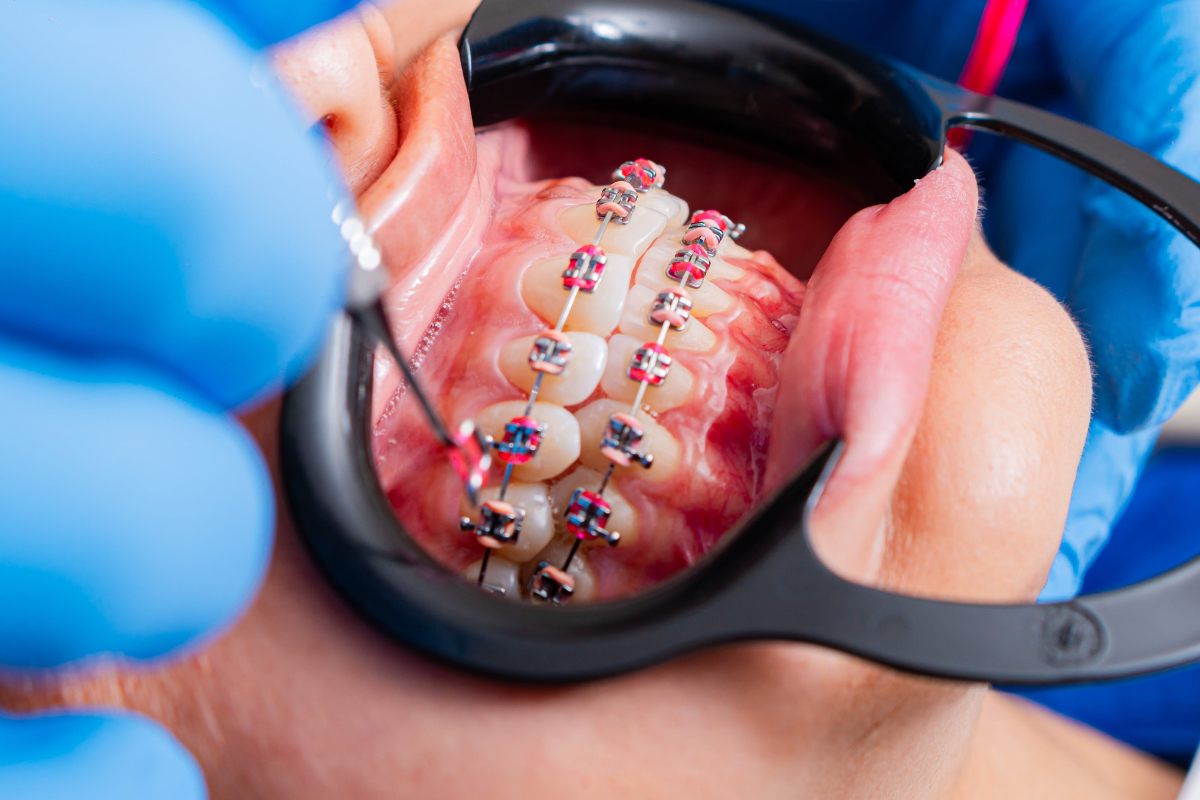
Getting braces is exciting, and a little scary. You may wonder how much it will hurt, what you can eat, and when braces will feel normal. Those are fair questions. Many patients start looking into braces in rochester after a dentist mentions crowded or crooked teeth, and they want honest answers before they decide. This guide walks you through the first few weeks, one step at a time.
The Short Version
Most patients feel sore for a few days to a week after braces go on. Soft foods, orthodontic wax, and gentle brushing get you through it. By week three or four, braces feel normal for most people. Adjustment visits come about every four to ten weeks, based on your plan.
What Happens on Braces Day
Placing braces does not hurt. The visit often takes one to two hours, and the steps are simple.
- Your teeth are cleaned and dried.
- Small brackets are bonded to each tooth with a dental glue.
- A blue light hardens the glue in seconds.
- A thin wire is attached and held in place with small ties or bands.
Your orthodontist then shows you how to clean your teeth with braces on and gives you written care steps. Ask for orthodontic wax before you leave. You will want it by that evening.
The First Three Days: Soreness and Pressure
The ache starts a few hours after the visit. Your teeth feel tight, and chewing may feel strange. This pressure means the wire is doing its job. It usually peaks on day two or three, then fades.
Easy Ways to Feel Better
- Rinse with warm salt water. Stir half a teaspoon of salt into one cup of warm water.
- Eat cold or soft foods, like yogurt and smoothies.
- Press a small ball of wax over any bracket that rubs your lip or cheek.
- Take an over-the-counter pain reliever if your orthodontist says it is fine. Follow the label.
Your lips and cheeks need time to toughen up. Rochester winters can dry out your lips, so keep a lip balm in your pocket.
Your First Month, Week by Week
The first month looks much the same for most people who start braces in rochester, though every mouth is different. Here is a general timeline.
| Time | What You May Feel | What to Do |
| Week 1 | Sore teeth, irritated lips and cheeks, a slight lisp | Eat soft foods, use wax, rinse with salt water |
| Week 2 | Less soreness, speech back to normal | Add firmer soft foods, build a brushing routine |
| Week 3 | Braces feel like part of your mouth | Keep brushing after meals, wear elastics if given |
| Weeks 4 to 6 | First adjustment visit may happen, brief soreness may return | Keep every appointment, ask questions |
Eating With Braces
Food is the biggest change for most people. Hard and sticky foods can bend wires or pop off brackets, which adds time to your treatment.
Good choices for week one: yogurt, mashed potatoes, scrambled eggs, soup, pasta, oatmeal, bananas, and smoothies.
Foods to skip: popcorn, hard candy, caramel, gum, ice, nuts, and whole apples. Cut corn off the cob and slice raw carrots thin.
Game day around rochester often means wings. Pull the meat off the bone and cut it into small bites. You can still enjoy the game.
Cleaning Your Teeth and Braces
Brackets and wires trap food. Plaque that stays on your teeth can leave white marks that remain after the braces come off. The American Dental Association recommends brushing twice a day with fluoride toothpaste and cleaning between your teeth once a day. With braces, plan to do a little more.
- Brush after every meal if you can, for two minutes.
- Angle the bristles toward the gums, then brush above and below each bracket.
- Floss once a day with a floss threader, or use a water flosser.
- Carry a small brush kit to school or work.
- Keep your regular dental cleanings during treatment.
Common Problems and Quick Fixes
Small issues come up in the first weeks. Most are easy to handle.
A poking wire
Gently push it back with the eraser end of a pencil. If it stays put, cover it with wax. Do not cut it unless your orthodontist tells you to.
A loose bracket
Cover it with wax and let the office know. Brackets can wait for a short visit if nothing hurts.
Mouth sores
Salt water rinses and wax help while your cheeks adjust.
Sports
If you play hockey or lacrosse, wear a mouthguard made for braces. A regular one may not fit.
When to Call the Office
Some things can wait for your next visit, and some cannot. Call if you have a broken bracket that cuts your mouth, a wire you cannot fix, swelling, or pain that does not ease after a week. The right orthodontist rochester has available will tell you which problems can wait and which need a quick fix. Waiting too long can slow your progress.
Three Offices Close to Home
Patients who want braces in Rochester close to home can choose from three offices.
- Brockport: 175 East Avenue, Brockport, NY 14420
- Greece: 505 Long Pond Road, Rochester, NY 14612
- Irondequoit: 564 East Ridge Road #101, Rochester, NY 14621
The practice also lists video appointments on its website for questions that do not need an in-person check. During your first consultation, the team can walk you through types of braces, costs, and payment options so you know the plan before treatment starts. Costs and treatment time differ for each patient.
Your Next Step
The first weeks with braces take some patience, and then the routine becomes easy. Soreness fades, eating gets simpler, and your smile starts to change. Choosing braces in rochester is easier when you know what each week brings and who to call when a question comes up. A good orthodontist rochester patients can reach at three offices should explain the plan, the cost, and the timeline in plain words.
If you are ready to talk about your options, schedule a consultation with Bateman Orthodontics at the Brockport, Greece, or Irondequoit office.
Frequently Asked Questions
1. How long will my teeth be sore?
Most people feel sore for a few days to a week. The ache can return briefly after an adjustment visit.
2. Can I play sports or a musical instrument?
Yes. Wear a mouthguard made for braces during contact sports. Wind instrument players may need a week or two to adjust.
3. How often are adjustment visits?
Most patients return every four to ten weeks. Your orthodontist sets the schedule based on your plan.
4. What should I do if a bracket comes off?
Save it if you can, cover any sharp spot with wax, and call the office. Do not try to glue it back.
5. Can adults get braces?
Yes. Many adults have treatment, and clear options are available. Your consultation will show what fits your teeth and your schedule.
6. Do I still need regular dental cleanings?
Yes. Keep seeing your general dentist about every six months, or as advised.
7. How long does treatment take?
Many patients wear braces for one to two years. Your exact time depends on your bite and how well you follow care steps.
8. Will braces change how I talk?
You may have a slight lisp for a few days. Reading aloud helps your tongue adjust quickly.
Posted on October 12, 2026