AnywhereDolphin™

Search Blog:
Share Article:


Elastics with Invisalign: When Rubber Bands Are Needed
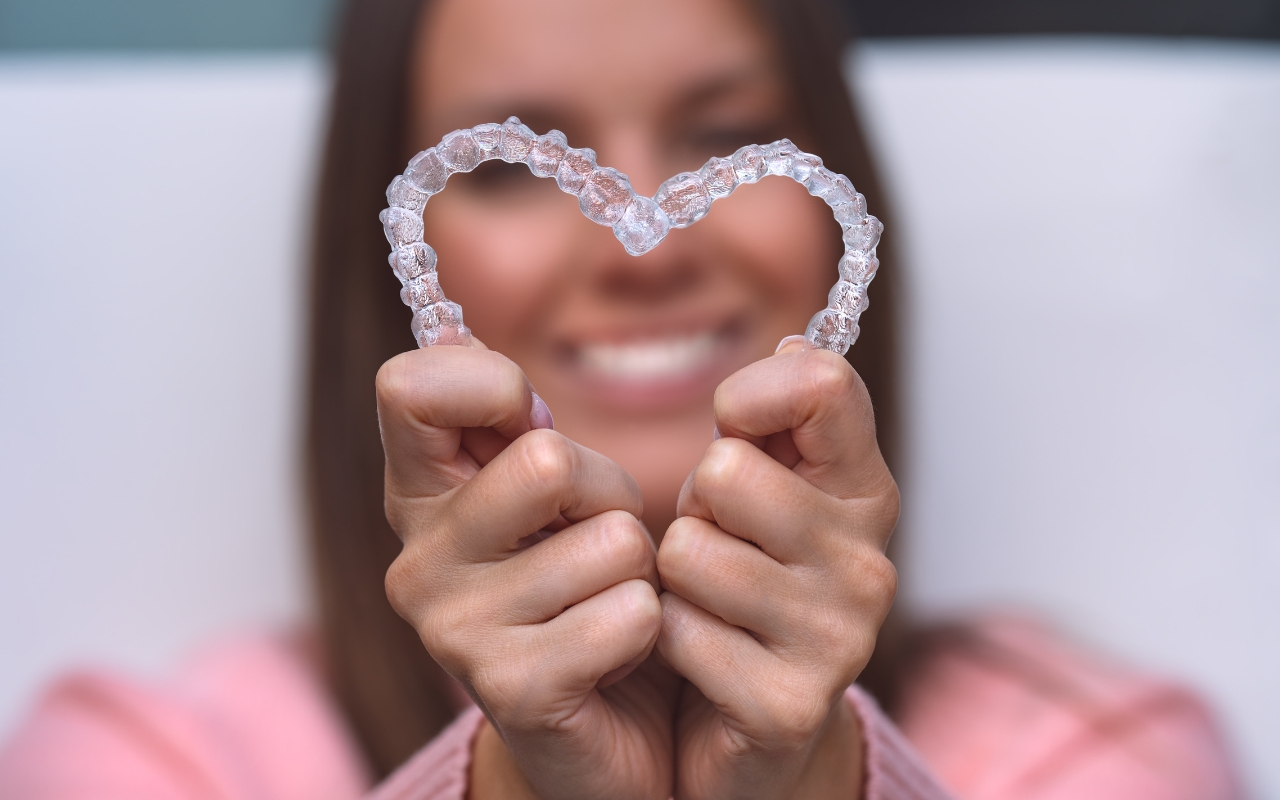
Clear aligners have made orthodontic care more comfortable and unnoticeable, but sometimes they need a little help to guide your teeth into the right position. This is where elastics, tiny rubber bands that come in. If you are considering this aligning procedure, you may wonder why your orthodontist would recommend adding elastics to the treatment plan. Read on to learn when they’re needed, how they work, and what to expect.
Why Invisalign Sometimes Needs Elastics?
While these trays are powerful on their own, certain bite corrections require extra force. Elastics provide that support by applying gentle, consistent pressure in directions that aligners alone can’t achieve. They connect from one jaw to the other, helping correct overbites, underbites, crossbites, or midline shifts.
For patients undergoing Invisalign in Rochester, elastics may be prescribed to fine-tune results and ensure the bite functions as well as it looks. This combination makes treatment more versatile, expanding the range of cases that aligners can successfully treat.
Common Situations Where Elastics Are Used
Elastics are not necessary for every case. They are usually recommended in situations such as:
- Overbite correction: Pulling the upper and lower jaws into balance.
- Underbite correction: Guiding the lower jaw back for proper alignment.
- Crossbite adjustment: Helping individual teeth move into the correct position.
- Midline correction: Shifting the center of your smile to match facial symmetry.
Orthodontists in Rochester carefully evaluate whether elastics with these aligners are essential for your unique needs.
How Elastics Work with Clear Aligners?
Attaching elastics to these clear aligners requires small “precision cuts” or buttons on the trays. These act as anchor points for the rubber bands. Your orthodontist will show you how to place them, and with practice, it becomes a quick routine.
Patients using Invisalign in Rochester often find elastics easy to manage. The bands are small, clear, and rarely noticeable. Consistency is the key; wearing them as instructed ensures your treatment stays on track. The American Dental Association also notes that following orthodontic guidance closely helps achieve not just cosmetic improvements, but also long-term oral health benefits.
What to Expect with Elastics?
At first, elastics may feel slightly uncomfortable, just like the initial days of wearing new aligners. This usually fades as your mouth adjusts. Most patients forget they are even wearing them after a few days.
Elastics are typically worn 20–22 hours a day, removed only for eating and brushing. Following these directions is crucial. Inconsistent wear can delay progress, while consistent use helps achieve a balanced bite and long-lasting results.
FAQs: Elastics with Invisalign
1. Why do I need rubber bands with Invisalign if aligners already move teeth?
Rubber bands provide directional force that aligners alone can’t, correcting bite issues like overbites or crossbites.
2. How often should I change my Invisalign elastics?
Elastics should be replaced daily, or more often if they snap. Fresh bands ensure consistent pressure.
3. Do elastics make Invisalign treatment take longer?
No. In fact, consistent elastic wear usually speeds up bite correction and keeps treatment on schedule.
4. Can I choose not to wear elastics with Invisalign?
Skipping elastics compromises results. Orthodontists stress they’re essential for achieving a stable, healthy bite.
5. How visible are Invisalign elastics compared to braces?
Elastics are smaller and clearer than those used with braces, making them far less noticeable.
6. Do elastics affect eating, speaking, or daily comfort?
Most patients adjust quickly. Elastics don’t interfere with speech or comfort once you’re used to them.
Your Next Step Toward a Better Smile
Elastics may be small, but they have a significant role in guiding Invisalign treatment to success. They help correct bite problems and ensure your teeth align in the healthiest, most functional way. If you are beginning Invisalign or already wearing aligners, your orthodontist will decide whether elastics are needed for your specific case.
For clear answers about your treatment plan, schedule a quick consultation or contact your nearest local dental clinic. Taking this step ensures you understand every part of the process and move closer to achieving a balanced, confident smile.
Posted on September 22, 2025