AnywhereDolphin™

Search Blog:
Share Article:


Common Orthodontic Problems: Crooked Teeth, Overbite, Underbite, and More
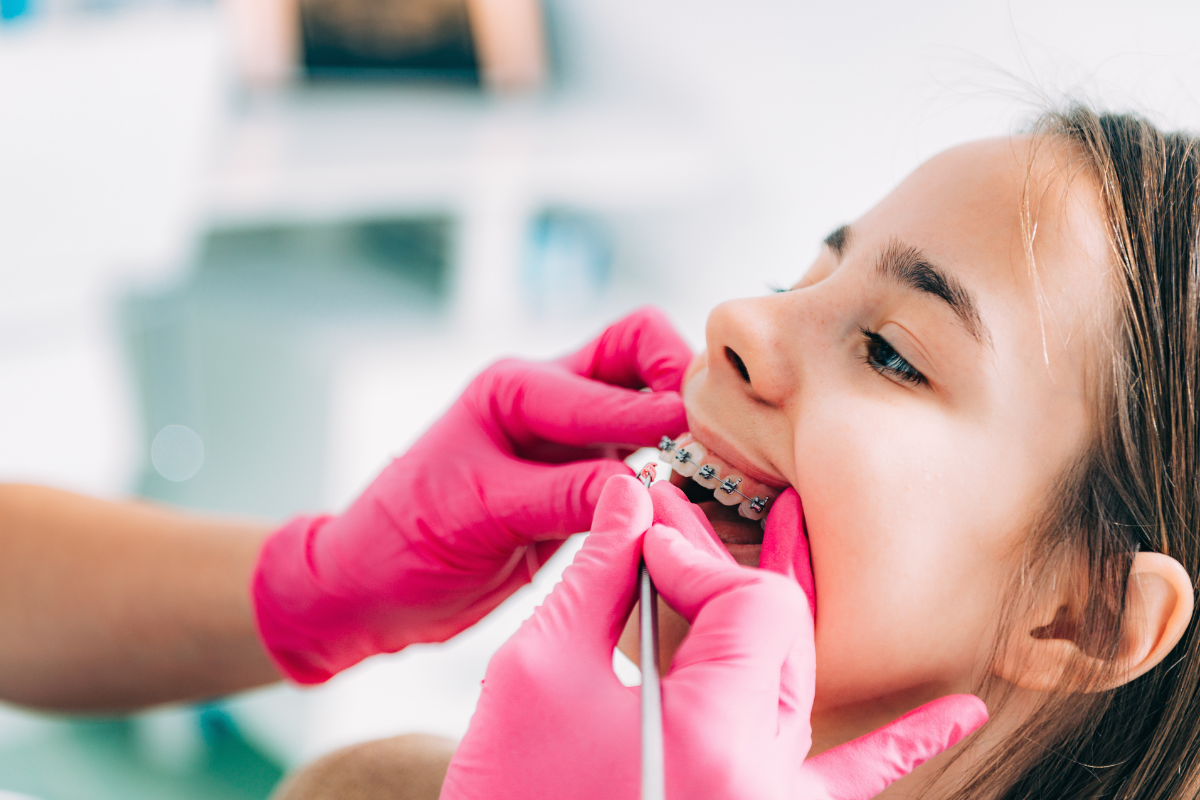
Have you ever looked in the mirror and wondered if your teeth are sitting the way they should? You are not alone. Millions of people across the country live with bite issues or crooked teeth without knowing that a visit to an orthodontist could make a real difference. Whether you are a parent keeping an eye on your child’s smile or an adult thinking about your own teeth, understanding common orthodontic problems is a good first step.
What Does an Orthodontist Actually Do?
An orthodontist is a dental specialist who focuses on how your teeth and jaw line up. Unlike a regular dentist, an orthodontist goes through extra training after dental school to learn how to fix bite problems, spacing issues, and crooked teeth. Visiting one does not always mean you need braces right away. Sometimes it just means getting a clear picture of what is going on with your mouth.
The Most Common Orthodontic Problems
Crooked Teeth
This is one of the most common reasons people seek orthodontic care. Teeth can grow in at odd angles, overlap each other, or crowd together in a small jaw. Crooked teeth are not just a looks issue. They can be harder to clean, which raises the risk of cavities and gum problems over time.
Overbite
An overbite happens when the upper front teeth sit too far in front of the lower teeth. A small overbite is normal, but a deep one can wear down your teeth and put extra stress on your jaw. Some people with a deep overbite also have trouble chewing certain foods.
Underbite
An underbite is the opposite. Here, the lower teeth stick out past the upper teeth. This can make chewing and speaking harder. It also puts uneven pressure on the jaw, which can lead to soreness or clicking sounds over time.
Crossbite
With a crossbite, some of your upper teeth sit inside your lower teeth when you bite down. It can happen on one side or both. Left alone, a crossbite can cause uneven wear on the teeth and even shift the jaw to one side over time.
Open Bite
An open bite means the upper and lower front teeth do not touch at all when the mouth is closed. This can make it hard to bite into food and may affect how clearly a person speaks.
Spacing and Gaps
Gaps between teeth happen for many reasons, including missing teeth, small teeth, or simply the way a jaw grows. While some gaps are harmless, others allow food to get trapped easily, which raises the chance of gum issues.
Crowding
Crowding happens when there is not enough room in the jaw for all the teeth to fit properly. This is one of the top reasons teens and adults visit an orthodontist rochester families have relied on for years.
Why Early Evaluation Matters
The American Association of Orthodontists suggests that children have their first orthodontic check by age 7. At that age, a trained orthodontist can spot problems before they get harder to fix. Early care does not always mean early braces. Sometimes it just means watching and waiting, with a plan ready when the time is right.
For adults, it is never too late. More adults than ever are choosing to fix bite and alignment issues, and modern treatment options have made the process more comfortable and less noticeable than old-school metal braces.
In the Rochester, New York area, families in Brockport, Irondequoit, and Greece have access to local orthodontic care without having to travel far. Getting a proper evaluation close to home makes it easier to stay on track with appointments throughout treatment.
How These Problems Are Treated
Treatment depends on the type and severity of the problem. Some common options include:
Traditional braces: Metal brackets and wires that gradually move teeth into place. Still one of the most reliable options for complex cases.
Clear aligners: Removable plastic trays that shift teeth over time. A popular choice for teens and adults who want a less visible option.
Palate expanders: Used mostly in younger patients to widen the upper jaw and make room for teeth to come in properly.
Retainers: Used after active treatment to hold teeth in their new position.
An experienced orthodontist rochester residents trust will review your teeth, take X-rays, and recommend the right plan for your situation. There is no one-size-fits-all answer, and a good provider will walk you through your options clearly before you commit to anything.
What Happens If You Wait?
Ignoring bite and alignment problems does not make them go away. Over time, crooked teeth become harder to clean. A bad bite can lead to jaw pain, worn enamel, and even headaches. Some problems that are simple to fix in childhood become more involved (and more costly) to treat in adulthood.
Getting a professional opinion early saves time, money, and discomfort down the road.
Conclusion
Orthodontic problems are common, and the good news is that most of them are very treatable. Whether it is a simple spacing issue or a more involved bite correction, the right care at the right time makes a big difference for your long-term health.
If you or your child has been putting off an evaluation, now is a good time to act. You can schedule a consultation with Bateman Orthodontics to get a clear, honest look at what is going on and what your options are. The team serves patients across the Rochester area from three convenient locations, making it easy to fit care into your routine.
Do not wait for small problems to become bigger ones. Contact our Bateman Orthodontics office today and take the first step toward a healthier, more confident smile.
Frequently Asked Questions
1. At what age should my child first see an orthodontist?
Most children should have their first orthodontic evaluation around age 7. At this age, a specialist can check how the jaw and teeth are developing and flag any concerns early.
2. Can adults get orthodontic treatment?
Yes. There is no age limit. Many adults choose to address bite and alignment issues later in life, and there are plenty of treatment options that fit adult lifestyles.
3. How long does orthodontic treatment usually take?
It varies. Some cases wrap up in 12 months, while others may take 2 to 3 years. The type of problem being treated and how well the patient follows care instructions both play a role.
4. Does orthodontic treatment hurt?
There can be some soreness in the first few days after getting braces or starting a new aligner tray. This usually fades quickly. Most people adjust within a week or two.
5. Are clear aligners as effective as braces?
For many types of cases, yes. Clear aligners work well for mild to moderate alignment issues. More complex bite problems may still call for traditional braces. Your provider will help you decide.
6. Will I need a retainer after treatment?
Almost always, yes. Retainers keep teeth from shifting back after active treatment ends. Wearing a retainer as directed is one of the most important parts of maintaining your results.
7. Does insurance cover orthodontic treatment?
Many dental insurance plans include some orthodontic coverage, especially for children. Coverage varies by plan, so it is worth calling your insurance provider before your first appointment to understand your benefits.8.
8. What is the difference between a dentist and an orthodontist?
A dentist handles general oral health, including cleanings, fillings, and checkups. An orthodontist specializes in the alignment of teeth and jaws, and completes additional years of training after dental school to focus on that area.
Posted on April 14, 2026