AnywhereDolphin™

Search Blog:
Share Article:


Common Challenges During Orthodontic Treatment and How to Handle Them
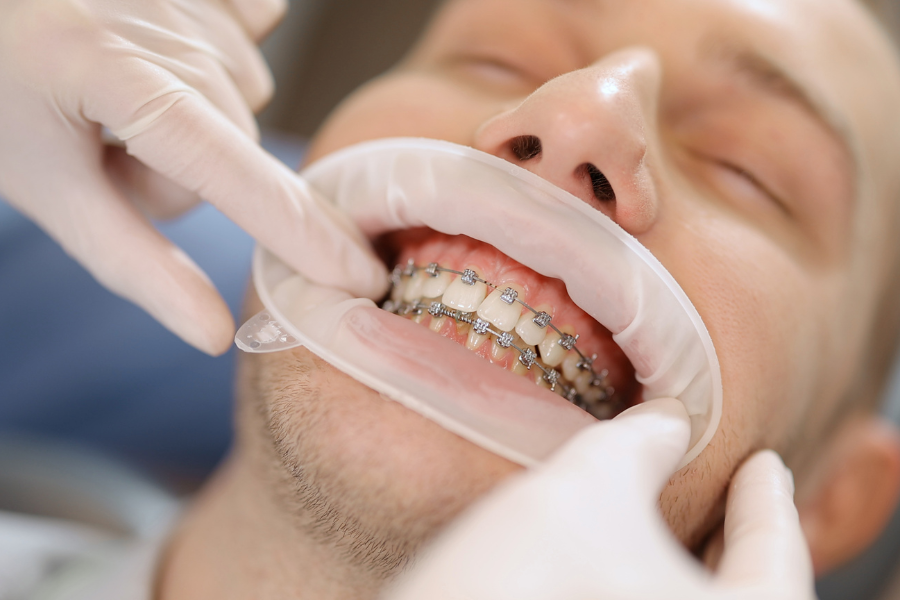
Getting braces or clear aligners is an exciting step toward a healthier, more confident smile. But let’s be honest: orthodontic treatment comes with its share of bumps along the way. If you’re living in Rochester and working with an orthodontist to straighten your teeth, you’ll likely face some common hurdles that catch many patients off guard.
The good news? Most of these challenges are completely normal and easy to manage once you know what to expect. This guide walks you through the most frequent issues patients experience and gives you practical solutions to keep your treatment on track.
Discomfort and Soreness After Adjustments
Your mouth needs time to adjust when braces are first placed or when your orthodontist tightens them during regular visits. This discomfort usually peaks within the first 24 to 48 hours and then gradually fades.
What you can do:
Stick to soft foods like yogurt, mashed potatoes, smoothies, and soup for a few days after adjustments. Over-the-counter pain relievers like ibuprofen can help manage soreness. Apply a cold compress to your cheeks if swelling occurs. Orthodontic wax also works wonders when brackets rub against the inside of your mouth.
Many Rochester patients find that keeping a supply of wax and soft foods on hand makes adjustment days much easier. Your orthodontist can provide wax at your appointments, but having extra at home means you’re always prepared.
Difficulty Eating Certain Foods
One of the biggest adjustments during orthodontic treatment involves changing your diet. Hard, sticky, and chewy foods can damage brackets and wires, which means extra trips to your orthodontist Rochester for repairs.
Foods to avoid:
Hard candies, popcorn, ice, nuts, and crusty bread can break brackets. Sticky foods like caramel, taffy, and gum can get lodged in your braces or pull components loose. Even healthy options like raw carrots and apples need to be cut into smaller pieces before eating.
Smart eating habits:
Cut food into bite-sized pieces instead of biting directly into items. Choose softer alternatives when possible. For example, enjoy steamed vegetables instead of raw ones, or opt for seedless grapes over whole apples. Rochester offers plenty of restaurants with braces-friendly menu options, from the many soup spots downtown to smoothie shops near Highland Park.
Maintaining Good Oral Hygiene
Keeping your teeth clean becomes more challenging with braces. Food particles and plaque can easily get trapped around brackets and wires, increasing your risk of cavities and gum disease.
Your cleaning routine should include:
Brushing after every meal using a soft-bristled toothbrush. Angle the brush to clean above and below each bracket. Use an interdental brush or floss threader to clean between teeth and around wires. A water flosser can make this process faster and more effective.
Rinse with fluoride mouthwash to strengthen enamel and reduce bacteria. Visit your regular dentist in Rochester for cleanings every six months, or more often if recommended.
Set reminders on your phone to brush after meals, especially if you’re busy with work or school. Many Rochester professionals keep a travel toothbrush kit at the office for midday cleaning.
Broken Brackets or Loose Wires
Even with careful eating and good oral care, brackets can sometimes come loose or wires may shift out of place. This happens more often than you might think and isn’t usually a cause for panic.
Immediate steps to take:
If a wire pokes your cheek, use orthodontic wax to cover the sharp end. For a loose bracket that’s still attached to the wire, leave it in place and cover it with wax. Call your orthodontist to schedule a repair appointment.
Never try to cut wires yourself or remove broken brackets. Your orthodontist Rochester has the proper tools and training to fix these issues safely. Most practices can fit emergency appointments into their schedule within a day or two.
Speech Changes and Increased Saliva
Some patients notice a slight lisp or change in their speech when they first get braces, especially with certain types of appliances. You might also produce more saliva than usual as your mouth adjusts to the new hardware.
How to adapt:
Practice speaking out loud by reading books or articles. The more you talk, the faster your tongue learns to work around your braces. Stay hydrated and swallow more frequently if excess saliva bothers you.
These issues typically resolve within a week or two. If speech problems continue beyond a month, mention it to your orthodontist during your next visit.
Canker Sores and Mouth Irritation
The inside of your mouth is delicate, and braces can cause irritation until the tissue toughens up. Canker sores may develop, particularly in the first few weeks of treatment.
Relief methods:
Apply orthodontic wax to any brackets or wires rubbing against sore spots. Rinse with warm salt water several times a day to promote healing. Avoid acidic or spicy foods that can aggravate sores.
Most patients find that their cheeks and lips develop a sort of callus after the first month, making irritation much less common. If sores persist or worsen, your orthodontist can check whether any part of your appliance needs adjustment.
Keeping Up with Appointments
Orthodontic treatment requires regular visits every four to eight weeks. Missing appointments can extend your treatment time and affect your results.
Stay on schedule by:
Booking your next appointment before leaving each visit. Add appointments to your digital calendar with reminders. Choose appointment times that work best with your routine, whether that’s early morning slots before work or Saturday appointments.
Many dental offices in Rochester offer flexible scheduling to accommodate busy families and working professionals. Some even send text reminders a day or two before your appointment.
Managing Treatment Duration Expectations
Most patients underestimate how long orthodontic treatment takes. While some cases finish in 12 to 18 months, others may require two to three years depending on the complexity of your case.
Keep yourself motivated:
Take monthly photos to track your progress. Even when changes seem slow day to day, comparing photos from months apart shows real improvement. Follow your orthodontist’s instructions carefully, as compliance affects how quickly your teeth move.
Ask your orthodontist Rochester for a realistic timeline at the start of treatment. Understanding the full journey helps you stay patient through the process.
Living in Rochester: Local Resources for Orthodontic Patients
Rochester residents have access to excellent resources that make orthodontic treatment easier. The city’s many parks and outdoor spaces provide great locations for eating soft foods during picnics without worrying about finding a place to brush afterward.
Local pharmacies throughout the area stock orthodontic supplies like wax, interdental brushes, and travel toothbrush kits. The Wegmans locations around Rochester offer extensive selections of braces-friendly foods, from protein smoothies to soft grain bowls.
Winter weather in Rochester can make getting to appointments challenging. Talk with your orthodontist about their policy for rescheduling during severe weather. Many practices are understanding about the occasional need to move appointments when roads become unsafe.
Frequently Asked Questions
1. How long does soreness last after getting braces?
Most soreness peaks within 24 to 48 hours and fades after three to five days. Each adjustment may cause mild discomfort, but it’s typically less intense than the initial placement.
2. Can I play sports with braces?
Yes, but you should wear a mouthguard designed for braces. Your orthodontist can recommend or provide an appropriate guard to protect both your teeth and appliances.
3. What should I do if my retainer doesn’t fit after treatment?
Contact your orthodontist right away. Teeth can shift quickly, and waiting even a few days may require additional treatment to correct movement.
4. How often should I replace my toothbrush during treatment?
Replace your toothbrush every two to three months or sooner if bristles become frayed. Braces wear down bristles faster than normal brushing.
5. Is teeth whitening safe during orthodontic treatment?
Wait until after your braces come off to whiten your teeth. Whitening products can’t reach the areas covered by brackets, which may result in uneven color.
6. Why are my teeth feeling loose during treatment?
This is completely normal. Your teeth need to loosen slightly in the bone to move into new positions. They’ll firm up again once treatment is complete.
7. Can I switch orthodontists if I move to Rochester?
Yes, orthodontic records can transfer between offices. Contact your current provider for your records and X-rays, then find an orthodontist who accepts transfer patients.
8. How do I clean my clear aligners properly?
Rinse aligners with cool water and brush them gently with a soft toothbrush. Avoid hot water, which can warp the plastic. Special cleaning solutions are available but not always necessary.
Conclusion
Orthodontic treatment requires patience and commitment, but the challenges you face are manageable with the right approach and support. From dealing with initial discomfort to maintaining excellent oral hygiene, each obstacle has practical solutions that thousands of patients successfully use every day.
Working closely with your orthodontist makes all the difference. Don’t hesitate to reach out with questions or concerns between appointments. The team at your orthodontic practice wants your treatment to succeed just as much as you do.
If you’re experiencing any of these challenges or considering orthodontic treatment, schedule a consultation with an experienced orthodontist Rochester. A professional evaluation will give you personalized answers about your specific situation and help you understand what to expect throughout your treatment journey. Your path to a confident, healthy smile starts with that first conversation.
Posted on February 15, 2026