AnywhereDolphin™

Search Blog:
Share Article:


Can Orthodontics Improve Jaw Pain or TMJ Disorders?
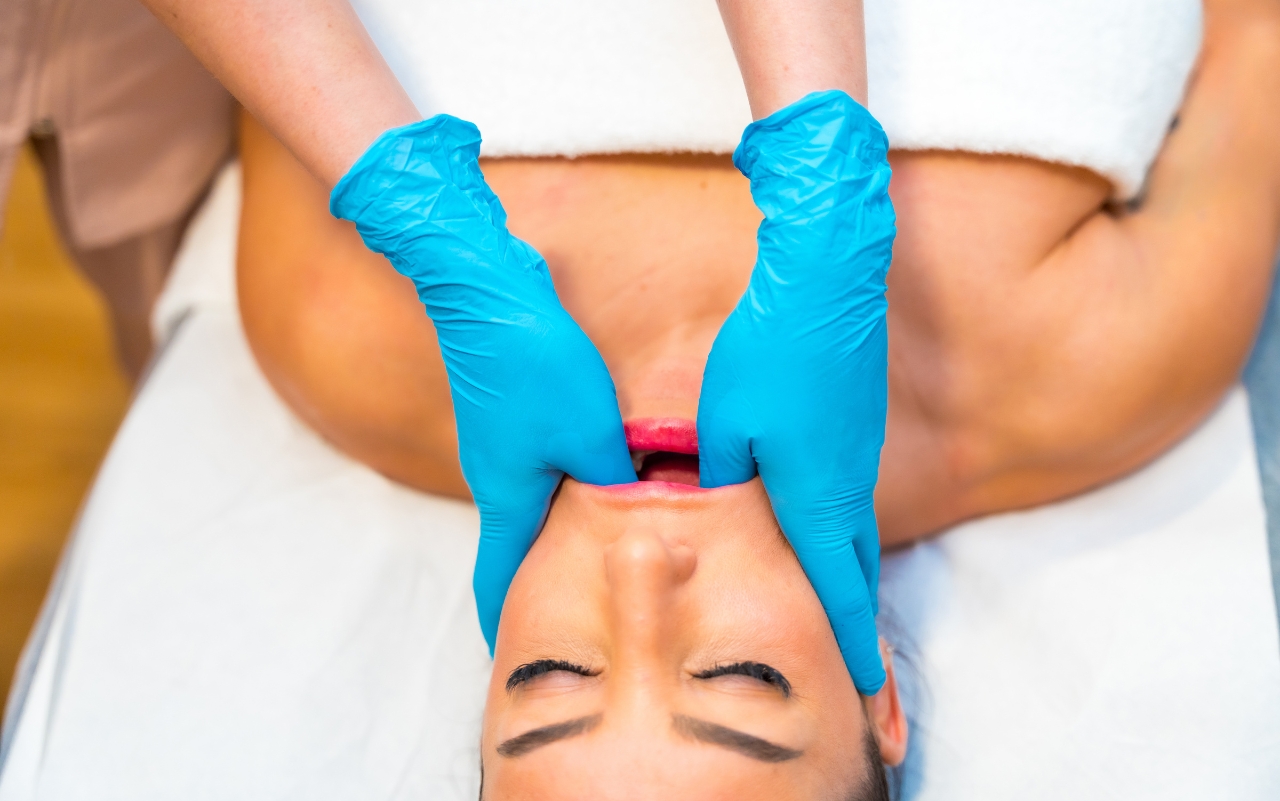
If you’ve been dealing with jaw discomfort, headaches, or difficulty opening your mouth, you may be wondering: Can orthodontic care provide relief? While orthodontics is most often linked to straighter teeth, it can also play a role in improving certain jaw-related issues.
According to the American Dental Association, how your teeth align directly affects the health of your jaw joints and muscles. A poor bite can lead to extra strain, which in some cases contributes to temporomandibular joint (TMJ) disorders. Understanding this connection is key to knowing whether orthodontic treatment could help you.
What Are TMJ Disorders?
The temporomandibular joint is located on both sides of your face, connecting your jawbone to your skull. It works like a sliding hinge, allowing you to chew, speak, and yawn comfortably.
When there’s a problem with this joint or the surrounding muscles, it’s known as a TMJ disorder. These issues can range from mild discomfort to chronic pain and may be caused by:
- Bite misalignment: Uneven bite forces strain certain areas of the joint.
- Teeth grinding (bruxism): Often stress-related, grinding wears down teeth and irritates the joint.
- Jaw injury: Trauma can damage or displace the joint’s components.
- Arthritis: Inflammation in the joint affects movement and comfort.
Common Symptoms of TMJ Disorders
While symptoms vary, many patients experience:
- Persistent jaw pain or tenderness
- Clicking, popping, or grinding sounds when opening or closing the mouth
- Stiffness or locking of the jaw
- Headaches or migraines
- Earaches or pressure near the jaw
- Difficulty chewing or uneven bite sensation
These signs may come and go or worsen over time if the underlying cause isn’t addressed.
Can Orthodontic Treatment Help With TMJ Disorders?
Orthodontic treatment is not a guaranteed cure for TMJ disorders. However, in cases where jaw pain is linked to bite problems, orthodontics can be part of an effective treatment plan. Misaligned teeth or jaws can create uneven bite forces, leading to overworked jaw muscles and stress on the TMJ.
An orthodontist in Rochester can determine whether your symptoms are connected to alignment issues. If they are, correcting your bite may help:
- Distribute chewing forces evenly
- Reduce tension in jaw muscles
- Improve jaw joint function over time
Orthodontic Options for Jaw Pain Relief
Several orthodontic approaches can address bite problems that contribute to TMJ discomfort:
- Traditional Braces: Gradually move teeth into proper alignment, improving how upper and lower teeth meet.
- Clear Aligners: A discreet option that shifts teeth without metal brackets, often used for mild to moderate misalignments.
- Bite Adjustments: Minor refinements to tooth surfaces or positioning for balanced bite pressure.
Correcting the bite often eases daily functions like chewing and speaking while reducing joint strain.
What to Expect During a TMJ-Focused Orthodontic Evaluation
When you visit a Rochester orthodontist for jaw pain, the evaluation process may include:
- Review of Medical and Dental History – Understanding when symptoms started and identifying contributing factors like injury or stress.
- Bite Analysis – Checking for misalignment or uneven bite pressure.
- Jaw Movement Tests – Evaluating range of motion and identifying clicking or locking.
- Imaging – X-rays or scans to examine joint structure and tooth alignment.
Your orthodontist will then recommend whether orthodontic treatment should be part of your care or if you should see other specialists, such as a TMJ-focused dentist or physical therapist.
Other Treatments That May Support TMJ Relief
Orthodontics may be paired with other treatments for a more comprehensive approach, such as:
- Nightguards or Splints: Prevent teeth grinding during sleep.
- Physical Therapy: Exercises to strengthen jaw muscles and improve mobility.
- Stress Management: Techniques to reduce clenching caused by anxiety.
- Dietary Adjustments: Avoiding overly chewy or hard foods to reduce strain.
- Anti-Inflammatory Medications: Prescribed to minimize swelling and discomfort.
These methods can help manage symptoms while orthodontics works to correct the underlying bite issues.
FAQ – Orthodontics
1. Will braces fix my TMJ disorder?
If TMJ symptoms are due to bite misalignment, braces can help, but they are not a cure-all.
2. How long will it take to notice improvement?
Some patients experience relief within weeks, while others may need months for noticeable changes.
3. Can clear aligners help with jaw pain?
Yes, aligners can improve alignment and bite balance, which may reduce strain on the TMJ.
4. Should I see my dentist or orthodontist first?
Start with your dentist for a general exam. If bite issues are suspected, you’ll be referred to an orthodontist in Rochester.
5. Are there non-dental causes of TMJ pain?
Yes. Arthritis, injury, or muscle strain unrelated to bite issues can cause symptoms.
Taking the Right Steps Toward Relief
Jaw pain and TMJ disorders can be frustrating and disruptive, but identifying the cause is the first step to finding relief. If bite misalignment is part of the problem, orthodontic treatment can improve function, ease strain, and enhance your quality of life.
If you are ready to explore how a Rochester orthodontist can help with jaw discomfort, the team at bateman Orthodontics is here to provide expert guidance and customized care.
Schedule a quick consultation and take the first step toward a healthier, more comfortable jaw.
Posted on August 14, 2025