AnywhereDolphin™

Search Blog:
Share Article:


Clear Aligners and Gum Recession
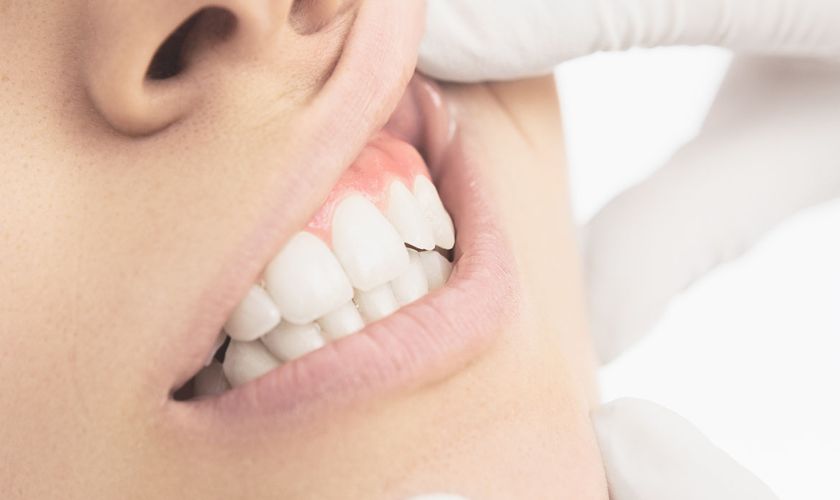
The desire for a straighter smile can appear at any age. But for many adults, the thought of traditional metal braces just doesn’t fit their lifestyle. Thankfully, the world of orthodontics has evolved, offering discreet and convenient options like clear aligners. Invisalign is a popular brand, but there are various clear aligner systems available.
However, along with the excitement of a future smile transformation, a question might linger: can clear aligners cause gum recession?
Understanding Gum Recession:
Gum recession occurs when the gum tissue surrounding your teeth starts to shrink. This exposes more of the tooth root, leading to a few unpleasant consequences:
- Increased Sensitivity: Exposed tooth root is less protected, making teeth more sensitive to hot, cold, and acidic foods and drinks.
- Higher Risk of Decay: The exposed root surface lacks the enamel’s protective properties, making it more susceptible to cavities.
- Aesthetic Concerns: Gum recession can make teeth appear longer and can impact your overall smile aesthetics.
While gum recession is a common dental concern, it’s important to understand that aligners themselves are not the direct cause.
Clear Aligners and Your Gums: Myth and Fact
The good news is that clear aligners, when used properly under the supervision of a qualified dentist or orthodontist, are unlikely to worsen existing gum recession. In some cases, the gentle pressure exerted by the aligners can even help the gums reattach to the teeth in instances of mild gum recession.
However, two key factors can influence gum health during clear aligner treatment:
- Oral Hygiene: Just like with traditional braces, maintaining excellent oral hygiene is absolutely crucial when undergoing clear aligner treatment. Plaque buildup, the sticky film of bacteria that forms on teeth, can lead to a cascade of problems:
- Gingivitis: This is the initial stage of gum inflammation, characterized by redness, swelling, and potential bleeding. Left untreated, it can progress to periodontitis.
- Periodontitis: This advanced stage of gum disease involves inflammation and breakdown of the bone supporting your teeth. It can lead to tooth loss if left unaddressed.
Both gingivitis and periodontitis can contribute to gum recession. So, meticulous brushing and flossing become your best friends during clear aligner treatment. Your dentist might also recommend specific techniques for cleaning around the aligners to ensure thorough plaque removal.
Aligner Fit: Ensuring Comfort and Optimal Gum Health
Properly fitted aligners are essential for a successful treatment and healthy gums. Here’s why:
- Ill-Fitting Aligners: Aligners that are too tight or loose can irritate the gums. Tight aligners might put excessive pressure on specific areas, leading to inflammation and potential recession. Loose aligners, on the other hand, won’t exert the necessary force to move your teeth effectively, prolonging treatment and potentially impacting gum health.
- Regular Checkups: Regular visits with your dentist allow them to monitor your aligner fit and make adjustments as needed. This ensures the aligners are tracking your progress accurately and exerting the right amount of pressure for optimal tooth movement and gum health.
Tips for Healthy Gums with Clear Aligners
By prioritizing a few key practices, you can ensure your clear aligner treatment progresses smoothly while safeguarding your gum health:
- Brushing and Flossing: Aim for twice-daily brushing with a soft-bristled brush and fluoride toothpaste. Here’s the catch with clear aligners: you’ll need to brush before re-inserting them after meals to remove any food particles. Flossing is equally important, and consider using a Waterpik or interdental brushes for a more thorough clean around the aligners.
- Rinse, Don’t Soak: Rinse your aligners with lukewarm water after each removal. Soaking them in hot water can warp them, and harsh chemicals are a no-no.
- Gentle Brushing: Brush your aligners gently with a soft toothbrush and mild soap. This removes any film or plaque buildup that might irritate your gums.
Regular Dental Appointments
Schedule regular checkups with your dentist to monitor your gum health and overall treatment progress. They can assess the fit of your aligners, address any concerns you might have, and ensure everything is on track for a beautiful and healthy smile.
Open Communication: Your Voice Matters
Don’t hesitate to talk to your dentist about any concerns you experience during treatment. If you notice any gum irritation, discomfort, or signs of recession (like receding gum line or increased tooth sensitivity), speak up! Early detection and intervention are key to preventing further issues.
Frequently Asked Questions on Clear Aligners and Gums
Can clear aligners actually improve gum health?
In some cases, yes. Studies have shown that clear aligners, when used correctly, can sometimes help mild gum recession by applying gentle pressure that encourages the gums to reattach to the teeth. However, it’s crucial to consult your dentist to determine if this applies to your specific situation.
What if I already have gum disease before starting clear aligner treatment?
If you have existing gum disease, it’s essential to get it under control before starting clear aligner treatment. Untreated gum disease can worsen during treatment and potentially complicate your progress. Your dentist will likely recommend periodontal therapy (deep cleaning) to address the gum disease before proceeding with clear aligners.
Are there any alternative clear aligner options for people with gum concerns?
Some clear aligner systems offer scalloped edges that are designed to minimize pressure on the gums. Discuss these options with your dentist to see if they might be a suitable choice for you.
Clear aligners can be a fantastic way to achieve a straighter smile, and with proper care, they shouldn’t negatively impact your gum health. By prioritizing excellent oral hygiene, ensuring a proper aligner fit, keeping your dentist informed, and addressing any concerns promptly, you can embark on your journey to a dazzling grin with confidence.
Always consult your dentist to discuss your specific situation and determine if clear aligners are the right choice for you. They can assess your gum health, recommend the best course of treatment, and guide you towards a healthy and beautiful smile.
Posted on April 4, 2024