AnywhereDolphin™

Search Blog:
Share Article:


Braces vs Invisalign: Which Orthodontic Treatment Is Right for You?
Choosing between braces and Invisalign can feel like a big decision. Both options straighten teeth and improve your bite, but they work differently and suit different people. If you have been thinking about getting your teeth fixed, you are not alone. Many families and adults ask their orthodontist the same question every day: which one is better for me?
This guide breaks it all down in plain, simple terms so you can walk into your next appointment feeling confident and informed.
What Are Braces?
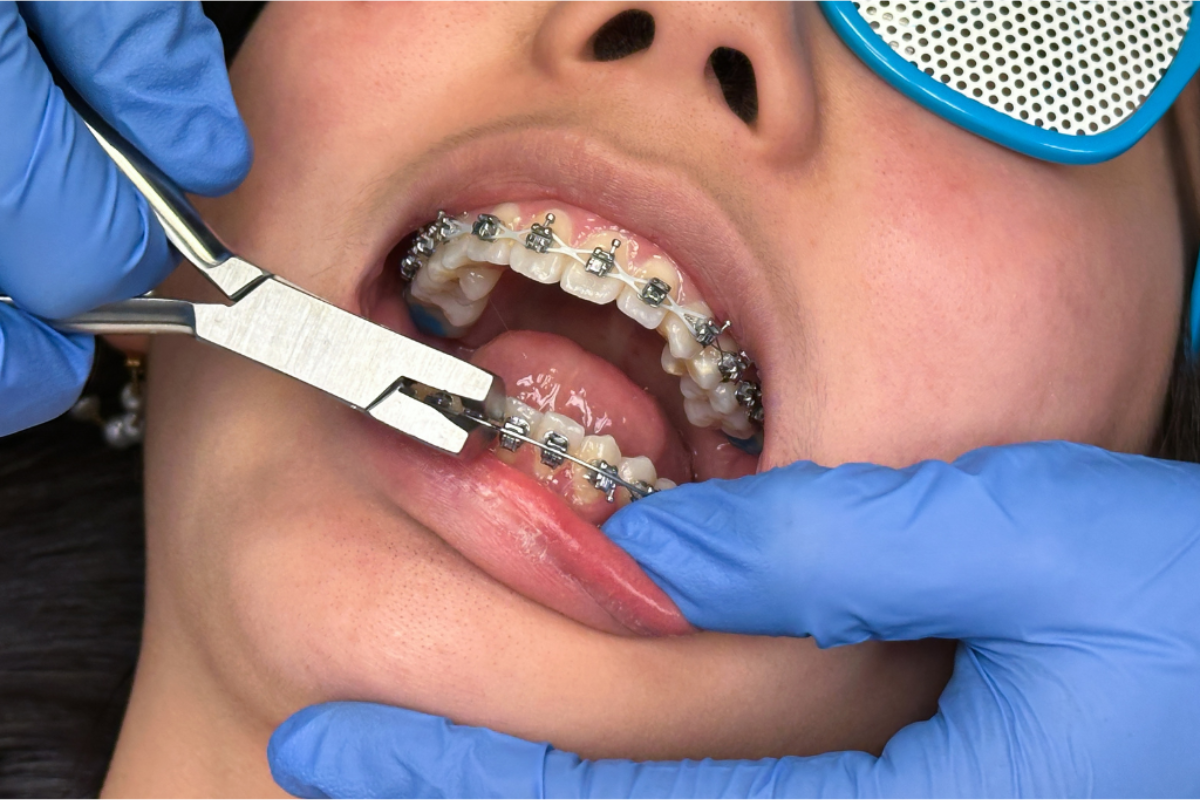
Braces are metal or ceramic brackets that are bonded to your teeth. A wire runs through them and is tightened over time to slowly move teeth into the right position. They have been around for decades and are still one of the most trusted ways to correct dental problems.
Braces work well for:
• Severe crowding or spacing issues
• Complex bite problems like overbite, underbite, or crossbite
• Kids and teenagers who may forget to wear removable aligners
• Cases where the orthodontist needs full control of tooth movement
What Is Invisalign?
Invisalign uses a series of clear, removable plastic trays called aligners. Each tray is custom-made for your teeth and worn for about one to two weeks before switching to the next one. The trays are nearly invisible, which is why many adults prefer this option.
Invisalign works well for:
• Mild to moderate alignment issues
• Adults or older teens who are committed to wearing the trays 20 to 22 hours a day
• People who want a more discreet treatment option
• Those who want the flexibility to remove aligners for eating and brushing
Braces vs Invisalign: A Side-by-Side Look
Appearance
Braces are visible. Most people can see them when you smile or talk. Ceramic braces are a bit less noticeable, but they are still there. Invisalign trays, on the other hand, are clear and sit flush against your teeth. Most people will not even notice you are wearing them.
Comfort
Braces can cause some soreness after adjustments, and the brackets may irritate the inside of your cheeks at first. Invisalign trays have smooth edges, so they tend to be more comfortable. That said, you may still feel pressure when you start a new tray.
Maintenance and Oral Hygiene
Keeping braces clean takes more effort. You need special tools to floss around the wires. Food can get stuck easily. Invisalign trays are removed before eating, so your oral hygiene routine stays mostly the same. Just make sure to brush your teeth before putting the trays back in.
Treatment Time
Treatment time for both options is similar, ranging from 12 to 24 months depending on your case. For more complex problems, braces may finish the job faster since the orthodontist has more precise control. For mild cases, Invisalign can sometimes work even quicker.
Cost
The cost of both treatments varies based on how complex your case is and where you live. Braces are often slightly less expensive, but Invisalign prices have become more competitive over the years. Most orthodontic offices offer flexible payment plans to help make treatment more affordable.
Who Is the Right Candidate for Each Option?
Not everyone is a good fit for Invisalign. If you have a complex bite issue or severe crowding, your orthodontist will likely recommend braces. They give more control and produce more predictable results in complicated cases.
If you have a mild to moderate issue and you are an adult or responsible teen, Invisalign may be a great fit. The key is discipline. You need to wear the trays for at least 20 to 22 hours a day. If the trays sit in a drawer, they will not work.
The best way to know which option suits you is to have a proper evaluation done by a licensed orthodontist. They look at your teeth, jaw, and bite to give you a personalized recommendation, not a general one.
Getting Orthodontic Care Close to Home
For families and individuals living in Western New York, access to quality orthodontic care is something people take seriously. Whether you are in a smaller town or a larger city, finding a trusted provider matters. Bateman Orthodontics serves patients across multiple locations, including Rochester and Brockport, with offices in the surrounding areas too.
If you have been looking for an orthodontist in rochester who offers both braces and Invisalign under one roof, Bateman Orthodontics provides consultations that cover all your options. Their team takes the time to explain your treatment plan clearly before you commit to anything.
Living in a community means you want a provider who understands the local pace of life, school schedules, sports seasons, and the fact that driving back and forth should not be a burden. Having an orthodontist nearby makes appointments easier to keep, which means better results in the long run.
Common Myths About Braces and Invisalign
Myth: Invisalign Is Only for Adults
Invisalign Teen is a product designed for younger patients. It includes a few extra trays in case of loss and has small indicators that show how long the trays have been worn each day.
Myth: Braces Are Painful All the Time
Most patients feel soreness for a day or two after each adjustment. Between visits, braces are not painful at all. Over-the-counter pain relief and soft foods help during those first few days.
Myth: Results Are the Same No Matter Who Does It
The skill and experience of your provider makes a real difference. An experienced orthodontist who sees dozens of cases each week will catch details that others might miss. Always go to a qualified specialist, not just any general dentist offering orthodontic services on the side.
Tips for Choosing the Right Treatment
Here are a few things to think about before your consultation:
• Think about your lifestyle. Do you play contact sports? Braces can get in the way. Do you have a job that involves frequent public speaking? Invisalign might feel more comfortable for you.
• Be honest about your habits. If you know you will leave the trays out too often, Invisalign may not work as well for you.
• Ask about payment options. Most offices have monthly payment plans that make treatment manageable.
• Check if your dental insurance covers orthodontic treatment. Many plans offer partial coverage for both braces and Invisalign.
Making the Right Choice for Your Smile
There is no single best option for everyone. Both braces and Invisalign have helped millions of people get the smile they wanted. What matters most is finding the right fit for your teeth, your budget, and your daily life.
The next step is simple. Talk to a qualified orthodontist who can take a close look at your specific situation and give you real answers. If you have been searching for a trusted orthodontist in rochester or the surrounding area, Bateman Orthodontics is ready to help. Their team works with patients of all ages and offers both braces and Invisalign.
Take the first step today. Schedule a consultation with Bateman Orthodontics and get a clear picture of what your treatment options look like. Or feel free to contact our Bateman Orthodontics office to ask questions before booking. There is no pressure, just honest guidance to help you make the best choice for your smile.
Frequently Asked Questions
1. How do I know if I need braces or Invisalign?
Only a licensed orthodontist can tell you which treatment is right for your case after a full exam. Mild issues often qualify for Invisalign, while more complex problems typically need braces.
2. Can adults get braces?
Yes. Adults get braces all the time. There is no age limit for orthodontic treatment as long as your teeth and gums are healthy.
3. Is Invisalign as effective as braces?
For mild to moderate cases, yes. For more complex bite problems, braces tend to deliver more precise results. Your provider will tell you which option fits your case.
4. How long does treatment usually take?
Most treatments last between 12 and 24 months. The length depends on how much correction is needed and how well you follow the treatment plan.
5. Does orthodontic treatment hurt?
Some soreness is normal for the first day or two after adjustments. It is not constant pain. Most patients adjust quickly and find the discomfort manageable.
6. Will I need to wear a retainer after treatment?
Yes. Retainers are an important part of keeping your results. Without a retainer, teeth can shift back over time. Your provider will tell you how long and how often to wear it.
7. Does insurance cover orthodontic treatment?
Many dental insurance plans include orthodontic benefits, especially for children. Coverage for adults varies. It is worth calling your insurance company before your consultation to understand what is included.
8. How often do I need to come in for appointments?
Braces typically require visits every four to six weeks for adjustments. Invisalign check-ins are often every six to eight weeks. Your provider will set a schedule that fits your treatment plan.
Posted on May 15, 2026