AnywhereDolphin™

Search Blog:
Share Article:


Your Braces Results Can Last a Lifetime—Here’s What Actually Matters
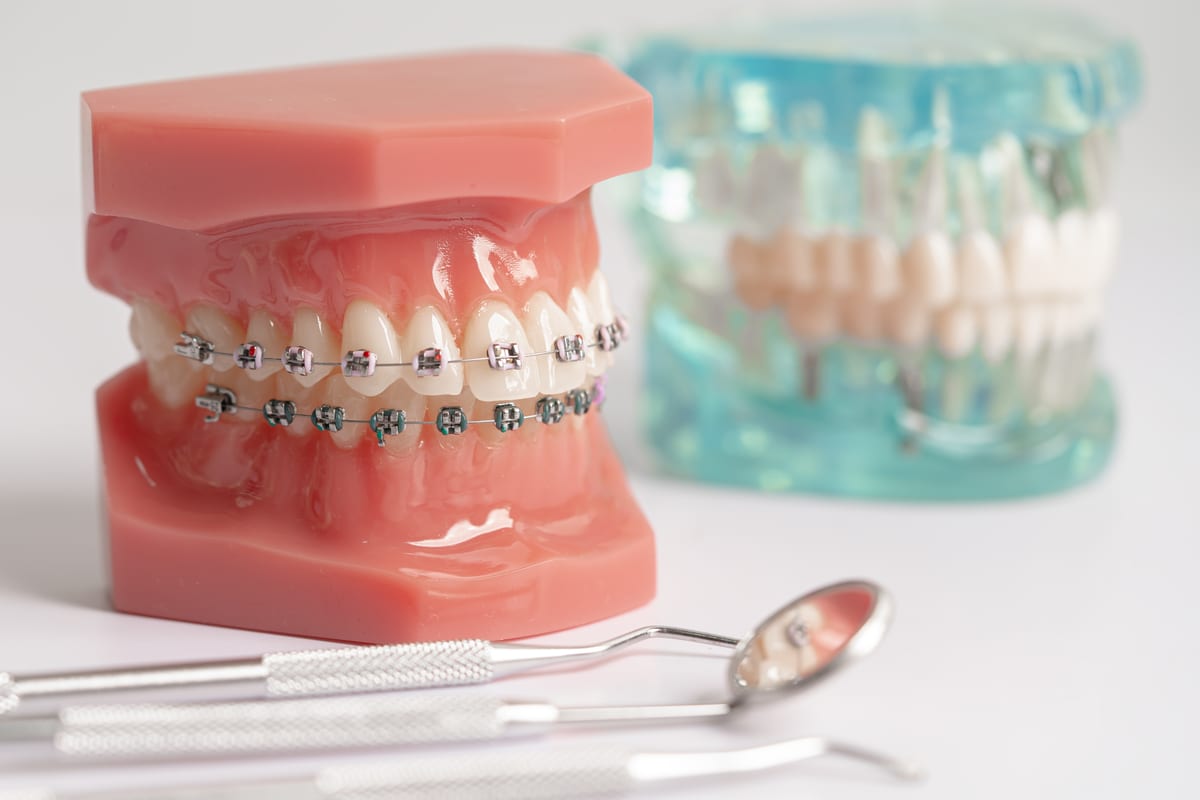
Your braces results can last a lifetime—here’s what actually matters in Brockport, and why so many patients are surprised to learn the truth. Getting braces is a meaningful commitment. But the work does not stop when Dr. Jeremy Bateman removes them. What you do afterward determines whether your smile stays straight for years or gradually shifts back.
This guide breaks down exactly what affects the longevity of your orthodontic results. Whether you are currently in treatment or just finished, this information directly applies to you.
Why Braces Results Do Not Always Last Forever
Teeth are not fixed in place permanently. They sit in living tissue that responds to pressure over time. Without the right support, they will naturally drift back toward their original positions. This movement is called relapse, and it is more common than most people expect.
Relapse does not mean your treatment failed. It simply means your teeth need ongoing guidance after braces come off. Understanding this reality is the first step toward protecting your investment. Several key factors make relapse more or less likely.
- Skipping retainer wear — the single most common cause of shifting
- Age-related changes — natural jaw changes occur throughout adulthood
- Wisdom teeth pressure — can push front teeth out of alignment
- Gum health issues — unhealthy gum tissue reduces tooth stability
- Tongue and lip habits — constant pressure gradually moves teeth
Knowing these risks helps you take simple steps to avoid them. The good news is that most causes of relapse are preventable with the right habits.
What Actually Extends the Lifespan of Your Results in Brockport
Patients in Brockport who keep their straight smiles long-term share a few consistent habits. These habits are not complicated. They simply require consistency and a little planning. Dr. Jeremy Bateman emphasizes these points with every patient at Bateman Orthodontics.
The most important factor by far is retainer compliance. Retainers hold your teeth in their corrected positions while surrounding tissues stabilize. Without that support, teeth begin shifting within weeks. Most patients start with nightly wear and gradually reduce frequency over time.
Beyond retainers, regular dental visits play a major role. Checkups help catch early signs of shifting before they become significant problems. Your dental team can also identify bite changes and recommend adjustments early.
- Wear your retainer consistently — follow your provider’s exact schedule
- Attend regular orthodontic checkups — even after active treatment ends
- Maintain excellent oral hygiene — healthy gums anchor stable teeth
- Address grinding habits early — a nightguard protects both teeth and alignment
- Replace worn retainers promptly — a stretched retainer offers no protection
Building these habits early makes them second nature. Most patients find the routine far easier than they expected once they commit to it.
How Long Can You Realistically Expect Your Results to Last?
With proper care, orthodontic results can genuinely last a lifetime. That is not a marketing claim. It is the clinical reality for patients who follow through on retainer use and maintenance. The timeline varies based on individual factors, but long-term success is achievable for most people.
Patients who wear retainers consistently for the first two years after treatment have significantly better outcomes. During this period, the bone and soft tissue around teeth fully adapt to their new positions. After that, the teeth become much more stable on their own.
Some patients transition to retainer wear just a few nights per week after the first year or two. Others prefer to wear them nightly indefinitely as a simple precaution. Dr. Jeremy Bateman will help you find the right schedule based on your specific case and bone structure.
The bottom line is straightforward. Consistent retainer use equals lasting results. Inconsistent retainer use means gradual shifting over months and years. The choice has a direct impact on how your smile looks a decade from now.
What Happens If Your Teeth Start to Shift After Braces
Noticing some movement after braces can feel discouraging. But catching it early makes a significant difference. Minor shifting caught within a few months is often easy to correct. Significant shifting that goes unaddressed for years requires more involved treatment.
If you notice your teeth feel different or your retainer no longer fits well, contact your orthodontist promptly. A retainer that feels tight after a break in wearing may still be usable. One that no longer seats properly usually needs replacement or a new plan.
In some cases, a short round of clear aligner treatment can correct minor relapse efficiently. Invisalign and other clear aligner systems work well for these situations. They offer a discreet option for patients who want to restore their alignment without traditional braces.
The key message here is simple. Do not wait and hope the problem resolves itself. Teeth do not shift back on their own. Early action protects your original results and saves time in the long run.
Building a Maintenance Plan That Works for Your Life
A good maintenance plan does not feel like a burden. It becomes part of your routine, just like brushing your teeth. The goal is to make retainer wear and dental visits easy habits rather than occasional afterthoughts.
Start by keeping your retainer case somewhere visible. A case left in a drawer is a retainer that gets skipped. Storing it on your nightstand or bathroom counter creates a visual reminder. Small environmental cues make a real difference in consistency.
Schedule your follow-up visits before you leave each appointment. Having the next visit already on the calendar removes friction. It also ensures that small concerns get addressed before they become larger issues. Patients at Bateman Orthodontics in Brockport have access to Dr. Jeremy Bateman’s guidance throughout this long-term process.
Your orthodontic investment deserves protection. The maintenance phase is simpler than the treatment phase. With a clear plan and the right support, your smile can stay exactly where it belongs for decades to come. Book Now to schedule your appointment with our team.
Frequently Asked Questions
How long do I need to wear my retainer after braces?
Most patients wear their retainer nightly for the first one to two years after braces. After that period, many transition to a few nights per week. Dr. Jeremy Bateman will provide a personalized schedule based on your specific case. Long-term wear, even part-time, significantly reduces the chance of relapse.
What happens if I stop wearing my retainer?
Teeth will begin shifting back toward their original positions without retainer support. This process can start within weeks of stopping retainer use. The longer you go without wearing your retainer, the more shifting can occur. Catching the problem early gives you the best chance of correcting it without major treatment.
Can clear aligners like Invisalign fix relapse after braces?
Yes, clear aligners are a common solution for minor to moderate relapse. They work discreetly and comfortably for patients who want to restore their alignment. The extent of correction needed determines how many aligners you will require. Dr. Jeremy Bateman can evaluate your situation and recommend the right approach.
How do I know if my retainer still fits properly?
A well-fitting retainer should seat fully and comfortably without forcing it. If it feels tight or painful, your teeth may have shifted. If it no longer seats at all, it likely needs replacement. Schedule a visit with your orthodontist as soon as you notice changes in how your retainer fits.
Does grinding my teeth affect my braces results?
Yes, teeth grinding puts significant pressure on your teeth and can cause shifting over time. It also wears down enamel and can damage retainers quickly. A custom nightguard protects both your alignment and the health of your teeth. Talk to Dr. Jeremy Bateman if you suspect you grind your teeth at night.
Posted on October 12, 2026