AnywhereDolphin™

Search Blog:
Share Article:


Comprehensive Treatment for Patients With Multiple Bite and Alignment Problems
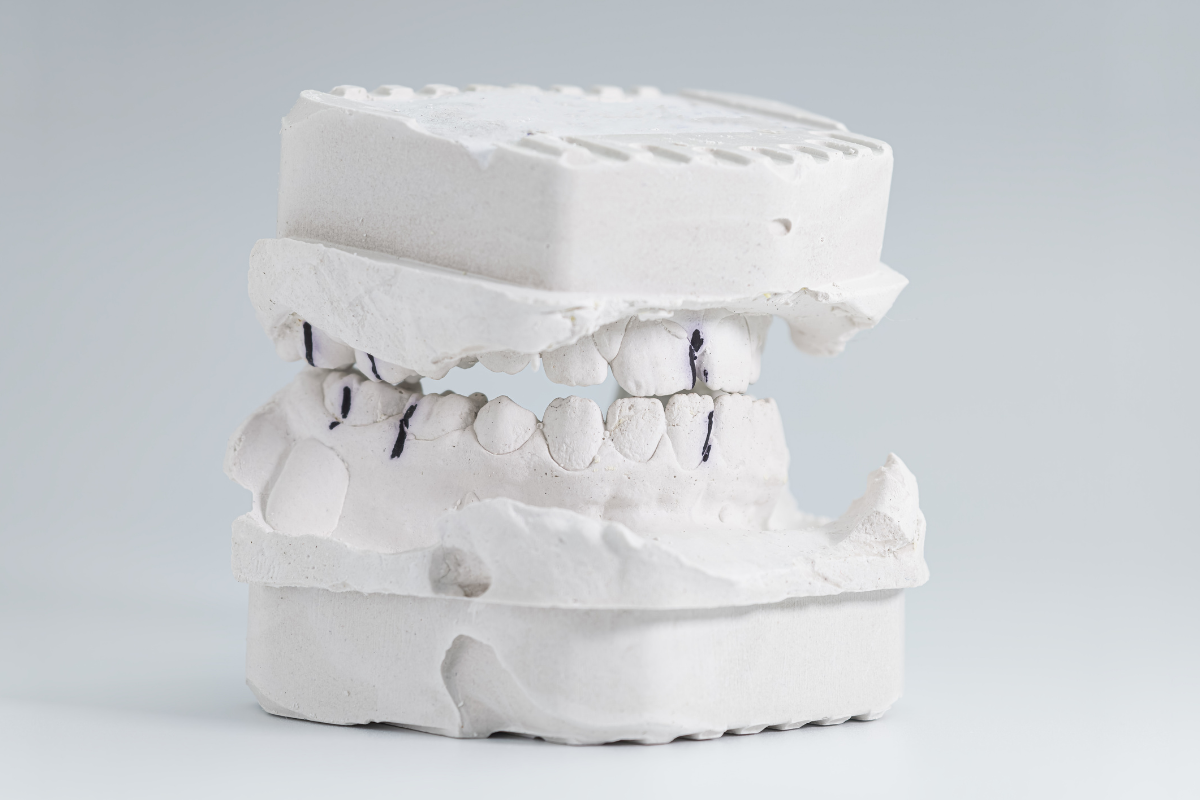
Crooked teeth, a deep overbite, and a jaw that feels off can all show up together. If that sounds like you, you are not alone, and you are not out of options. Many people look for an orthodontist rochester has to offer when a dentist says their teeth need more than a quick fix. This guide explains what full treatment means, how a plan is built, and what choices you have.
The Short Version
Comprehensive treatment is one plan that fixes all your bite and alignment problems together, instead of one at a time. It starts with a full exam, X-rays, and scans. Then it uses braces, aligners, or both. Some cases add expanders, elastics, or jaw surgery. Treatment often lasts one to three years, depending on the case.
What “Comprehensive” Really Means
Your teeth, jaws, and bite work as a team. If you fix only the front teeth, the back teeth may still hit wrong. That can cause uneven wear, jaw strain, and teeth that drift back.
A full plan looks at the whole bite. It sets the order of each step, so one fix does not undo another.
Problems Often Seen Together
Many patients have two or three issues at once. Here are the common ones.
| Problem | What You Notice | Common Options |
| Crowding | Teeth overlap, floss gets stuck | Braces or aligners, sometimes an expander |
| Spacing | Gaps between teeth | Braces or aligners |
| Overbite | Upper front teeth cover the lower ones too much | Braces with elastics, aligners with attachments, jaw surgery in some cases |
| Underbite | Lower teeth sit in front of the upper ones | Braces, early expander, surgery for some adults |
| Crossbite | Some upper teeth bite inside the lower ones | Expander, braces, elastics |
| Open bite | Front teeth do not touch when you bite | Braces, aligners, habit help, surgery if severe |
These are general options. Your exam decides what fits your mouth.
How a Treatment Plan Is Built
A good plan has clear steps. You should see each one before treatment starts.
Step 1: Records and Exam
Your orthodontist takes X-rays, photos, and a 3D scan of your teeth. Bateman Orthodontics uses iTero digital scanners at its Brockport and Rochester offices to show how your smile may look after treatment.
Step 2: Diagnosis
The doctor sorts out which problems come from the teeth and which come from the jaw. This matters, because a jaw problem needs a different fix than a tooth problem. Whichever orthodontist rochester office you pick, ask to see how the plan was built.
Step 3: Goals and Timeline
You and the doctor agree on goals. The plan should list the tools used, the number of visits, the estimated time, and the cost.
Step 4: Active Treatment
Teeth move in stages. Visits are usually every four to ten weeks for adjustments and checks.
Step 5: Retention
Retainers hold your new bite in place. Skipping this step is the most common reason results fade.
Tools Used for Complex Cases
Most cases need more than one tool. Here is how they fit together.
Braces
Metal or clear braces give strong control over tooth movement, which helps with tough bites. You can compare types of braces at your consultation.
Clear aligners
Invisalign is a nearly invisible option that can fix crowding, spacing, open bites, and underbites in many cases. Aligners work best when you wear them about 22 hours a day. Some bites need braces, and your doctor will tell you if yours does.
Expanders
These widen the upper jaw to make room for crowded teeth or fix a crossbite. They work best in children and teens, while the jaw is still growing.
Elastics
Small rubber bands move the upper and lower teeth together. They fix overbites, underbites, and open bites. They only work if you wear them every day.
Jaw surgery
When the jaw itself is the problem, surgical orthodontics may be part of the plan. The orthodontic team works with an oral surgeon. Braces usually come before and after surgery.
Treatment by Age
Children
The American Association of Orthodontists recommends a first check by age seven. Early care can guide jaw growth and make later treatment simpler. Not every child needs it, and many only need monitoring.
Teens
This is a common time for braces, because most permanent teeth are in and the jaw is still growing.
Adults
There is no age limit for moving teeth. Adults often come in with old relapse, worn teeth, or bite problems that have grown over time. See more on treatment for adults.
Roadblocks That Slow Treatment
Most delays come from small things. You can control all of them.
- Skipped elastics. This is the top cause of long treatment. Keep a spare pack in your bag.
- Broken brackets. Hard and sticky foods cause most breaks. Call the office when one comes loose.
- Missed visits. Each skipped adjustment can add weeks.
- Poor cleaning. Plaque around brackets can stain teeth and irritate gums. The American Dental Association recommends brushing twice a day with fluoride toothpaste and cleaning between your teeth daily.
- Aligner wear under 22 hours. Aligners cannot move teeth while they sit in the case.
- No retainer. Teeth move back without one.
Winter in western New York adds a small problem. Snow days can push appointments, so book your next visit before you leave the office, and ask about video check-ins for minor questions.
Cost and Timing: A Clear Look
No honest plan starts without a clear estimate. Before you commit, ask the orthodontist Rochester office for a written quote that covers the following.
- The total fee and what it includes
- Payment plans and insurance help
- Retainer costs
- The cost of any extra steps, like surgery or expanders
- The estimated treatment time
Complex cases take longer and cost more than simple ones. The estimate is a best guess, and it can change if teeth move slower than expected. A good office tells you early if that happens. You can read the practice’s financial information before your first visit.
Your Next Step
Multiple bite and alignment problems can feel like too much to fix. They are not. With a full exam, a clear plan, and steady follow-through, even a complex bite can improve. A good orthodontist Rochester can offer will explain the diagnosis, the options, the timeline, and the cost in plain words, so you can decide with confidence.
If you are ready to learn what your teeth need, schedule a consultation with Bateman Orthodontics at the Brockport, Greece, or Irondequoit office.
Frequently Asked Questions
1. Can all my bite problems be fixed at once?
In most cases, yes. A full plan treats them together in the right order. Your doctor will explain what can be done and what may need extra steps.
2. How long does treatment take with several problems?
Many cases take one to three years. The exact time depends on how far teeth must move and how well you follow the plan.
3. Are aligners strong enough for complex cases?
Aligners can handle many bite problems. Some cases need braces or a mix of both, and your exam will show which is better.
4. Will I need jaw surgery?
Most patients do not. Surgery is for cases where the jaw itself is the main problem, and your doctor will talk it through well before any decision.
5. Is it too late for treatment as an adult?
No. Teeth can move at any age as long as your gums and bone are healthy.
6. Does my child need early treatment?
Not always. A first check around age seven helps your doctor decide whether to treat now or wait.
7. What if I miss an appointment?
Call the office to rebook soon. A short delay is usually fine, but long gaps can add time to treatment.
8. Can I get a written cost estimate before I start?
Yes. Ask for one at your consultation, and ask the team to explain each line.
Posted on October 22, 2026