AnywhereDolphin™

Search Blog:
Share Article:


Can Remote Monitoring Be Part of Professionally Supervised Clear Aligner Treatment?
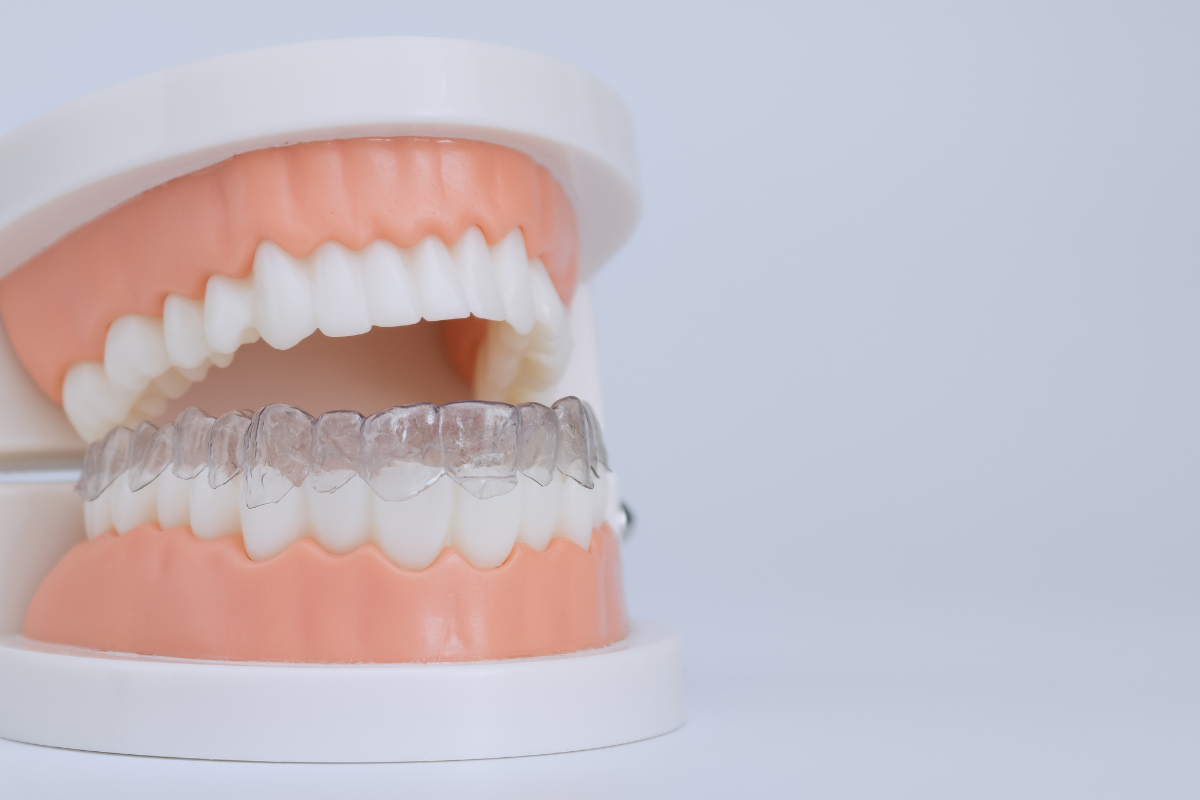
Clear aligner treatment has changed the way many patients straighten their teeth. The trays are clear, removable, and designed to fit into everyday life. But one important question often comes up: Can remote monitoring be part of professionally supervised treatment?
The answer is yes. When used correctly, remote monitoring can support communication and help an orthodontic team follow treatment progress between office visits. It does not replace professional orthodontic care. Instead, it can become one part of a treatment plan that remains guided by an experienced orthodontist.
For patients considering clear aligners in rochester, this distinction matters. Moving teeth is a medical and dental process. Your progress needs professional oversight, even when technology makes some parts of monitoring more convenient.
At Bateman Orthodontics, patients in Brockport and the Rochester area, including Greece and Irondequoit, can explore orthodontic treatment with guidance based on their individual needs.
What Is Remote Monitoring in Orthodontic Treatment?
Remote monitoring uses photos, scans, or digital tools to help an orthodontic team check a patient’s treatment progress between scheduled appointments.
Depending on the system and treatment plan, patients may be asked to:
- Submit images of their teeth and aligners
- Follow instructions for taking scans or photos
- Report concerns with aligner fit
- Receive guidance from the orthodontic team
- Learn whether their treatment appears to be progressing as expected
This can help the orthodontist stay informed between in-office visits.
The important point is simple: remote monitoring is a tool, not a replacement for the orthodontist.
The American Association of Orthodontists explains that regular professional checkups remain important during clear aligner treatment. Some practices may use remote monitoring to reduce unnecessary office visits while allowing the orthodontist to remain involved in the patient’s progress.
How Professional Supervision and Remote Monitoring Can Work Together
Clear aligners move teeth gradually. Each set of trays is designed to guide the teeth toward a planned position.
However, teeth do not always move exactly as expected.
An aligner may stop fitting properly. A tooth may not track as planned. A patient may experience discomfort or notice a change in their bite. These situations may require professional attention.
This is where a combination of office visits and remote monitoring can be helpful.
A professionally supervised treatment plan may include:
An In-Person Examination
Treatment should begin with a proper orthodontic evaluation. The orthodontist examines the teeth, bite, gums, and overall oral condition before recommending treatment.
A Personalized Treatment Plan
Clear aligners are designed around the patient’s specific orthodontic needs. Not every smile requires the same type of movement or treatment approach.
Scheduled Progress Checks
In-office appointments allow the orthodontist to examine things that photos alone may not fully show.
Remote Progress Updates
When appropriate, digital updates can give the orthodontic team additional information between visits.
Changes When Needed
If treatment is not progressing as planned, the orthodontist can decide what should happen next.
Patients searching for an orthodontist rochester often want convenience, but convenience should never come at the cost of proper supervision.
Remote Monitoring Can Make Treatment More Convenient
Life gets busy. School, work, family responsibilities, and travel can make frequent appointments difficult.
Remote monitoring may help reduce unnecessary trips to the office when the orthodontic team determines that an in-person visit is not needed at that point.
This can be useful for patients receiving care across Bateman Orthodontics’ service areas in:
- Brockport
- Greece
- Irondequoit
- The greater Rochester area
For someone using clear aligners in rochester, the ability to share progress between appointments may make treatment easier to manage. Still, convenience is only one benefit. The real value comes from keeping the orthodontic team informed while maintaining professional oversight.
What Remote Monitoring Cannot Replace
Technology can be helpful, but it has limits.
A photo or scan may provide useful information about aligner fit and visible tooth movement. However, it does not always replace a complete clinical examination.
An orthodontist may need to check:
- How your teeth are moving
- Changes in your bite
- The fit of attachments or aligners
- Gum and oral health concerns
- Tooth movement that requires closer examination
- Whether treatment should be adjusted
Research has also raised questions about relying too heavily on automated remote decisions without professional clinical judgment. One prospective study published through PubMed found concerns about consistency between remote monitoring instructions and detailed measurements of tooth movement.
That is why technology works best as support for professional care, not as a substitute for it.
Remote Monitoring vs. At-Home Orthodontic Treatment
These two ideas are sometimes confused, but they are very different.
| Professionally Supervised Remote Monitoring | At-Home Orthodontic Treatment |
| Treatment is guided by an orthodontic professional | Professional involvement may be limited |
| In-office care can be part of treatment | In-person examinations may be limited |
| Remote tools support ongoing oversight | Treatment may rely heavily on self-directed steps |
| The orthodontist can make clinical decisions | Patients may have less direct access to the treating doctor |
| Changes can be addressed through professional care | Problems may be harder to evaluate in person |
The American Association of Orthodontists has warned patients about the risks of orthodontic treatment without proper in-person professional supervision. Tooth movement involves living tissues and can affect the teeth, gums, and bite.
This is why patients should understand who is directing their treatment and how they can access professional care when questions arise.
What Happens If Your Aligners Are Not Tracking?
One of the most useful reasons for professional monitoring is identifying problems early.
Clear aligners should fit closely against the teeth. If you notice a visible gap between an aligner and a tooth, it may be a sign that something needs attention.
Other concerns may include:
- An aligner that suddenly feels loose
- A tray that will not fit properly
- Pain that seems unusual
- A change in your bite
- A damaged aligner
- Difficulty moving to the next tray
Do not simply ignore these problems and continue changing aligners without guidance.
Contact your orthodontic team. They can determine whether you need instructions, a remote update, or an in-person appointment.
This level of guidance is one reason many patients searching online for an orthodontist near me prefer knowing they have a real orthodontic team available throughout treatment.
Is Remote Monitoring Right for Every Clear Aligner Patient?
Not always.
Every orthodontic case is different. Some patients may benefit from more frequent in-office visits. Others may have treatment plans where remote updates can be useful between appointments.
The right approach can depend on:
- The type of tooth movement needed
- The complexity of the bite problem
- How well the aligners are tracking
- The patient’s treatment progress
- Oral health needs
- The orthodontist’s clinical recommendations
A good treatment plan should not force every patient into the same schedule.
Instead, the orthodontist should decide how often in-person care is needed and whether remote monitoring fits safely into the treatment process.
For patients exploring clear aligners in rochester, the best first step is a professional consultation rather than assuming one type of monitoring works for everyone.
Know Our Orthodontists
Orthodontic treatment depends on more than the aligners themselves. The planning, supervision, and clinical decisions behind treatment play an important role.
Dr. Jeremy Bateman
Dr. Jeremy Bateman’s own experience with braces helped inspire his path into orthodontics. After more than a decade in practice, he continues to focus on the personal side of treatment and enjoys watching patients experience changes in their smiles and confidence.
His approach recognizes that orthodontic care is an ongoing process. Each patient has different goals, concerns, and treatment needs.
Dr. Ben Levenson
Dr. Ben Levenson studied chemistry at Syracuse University and graduated with honors before completing dental school at the University of Maryland School of Dentistry. He later completed his orthodontic certificate at the Eastman Institute for Oral Health in Rochester.
Dr. Levenson is board-certified and is affiliated with organizations including the American Association of Orthodontists and the American Board of Orthodontics.
Together, the doctors and team at Bateman Orthodontics provide patient-focused orthodontic care for people of different ages and treatment needs.
What Our Patients Say
Real patient experiences can help show what professional orthodontic care feels like throughout treatment.
“Amazing staff & quality care. I did Invisalign with Dr. Bateman. Not only did I finish with an aesthetic smile but also a better functioning one too. He is truly a perfectionist and I couldn’t be happier with my results!”
★★★★★ Jenna. S
This feedback reflects something important about orthodontic treatment. A successful outcome is not only about straighter-looking teeth. Careful planning, ongoing supervision, and attention to how the teeth function can all matter throughout the process.
Questions to Ask Before Choosing Clear Aligner Treatment
Before starting treatment, consider asking:
- Who will supervise my treatment?
- Will I have in-person examinations?
- How often will my progress be checked?
- Can remote monitoring be part of my treatment?
- What happens if my aligners stop fitting correctly?
- How can I contact the orthodontic team if I have concerns?
- Will my treatment plan change if my teeth do not move as expected?
These questions can help you understand the level of care you will receive.
If you are comparing options after searching for an orthodontist rochester, look beyond the convenience of the technology itself. Ask how the technology fits into professional care.
Remote Monitoring Should Support Care, Not Replace It
Remote monitoring can be a useful part of modern clear aligner treatment. It may improve communication, provide updates between visits, and make treatment more convenient for some patients. But the strongest approach keeps the orthodontist involved.
Technology can collect information. A trained orthodontist interprets that information and makes clinical decisions based on the patient’s overall treatment needs. That balance matters. Clear aligners may be removable, but the treatment behind them still requires careful planning and supervision.
Ready to Learn What Clear Aligner Treatment May Involve?
If you are considering clear aligner treatment in Brockport or the Rochester area, including Greece and Irondequoit, a consultation can help you understand your options and what type of monitoring may be appropriate for your smile. Instead of relying only on an online search for an orthodontist near me, speak with a qualified orthodontic team about your specific teeth, bite, and treatment goals.
Bateman Orthodontics provides professionally guided orthodontic care and offers clear aligner options for teens and adults. A book a consultation and we will help you understand whether clear aligners and a professionally supervised monitoring approach may fit your needs.
Frequently Asked Questions
1. Can clear aligner treatment be monitored remotely?
Yes. Some orthodontic practices use remote monitoring tools to review treatment progress between scheduled office visits. The orthodontist determines how those tools fit into the patient’s treatment plan.
2. Does remote monitoring replace office visits?
No. Remote monitoring can support treatment, but some in-person examinations may still be needed to evaluate progress and address clinical concerns.
3. How often will I need orthodontic appointments?
The number and timing of appointments depend on your treatment plan and how your teeth respond. Your orthodontist will recommend an appropriate schedule.
4. What should I do if my aligners do not fit properly?
Contact your orthodontic team before making changes on your own. A poor fit may need professional evaluation.
5. Can remote monitoring detect every treatment problem?
No. Digital photos and scans can provide useful information, but they cannot replace every part of an in-person clinical examination.
6. Is remote monitoring available for every patient?
Not necessarily. Whether it is appropriate depends on the patient’s treatment needs, progress, and the orthodontist’s recommendations.
7. Can I switch to the next aligner if I have concerns?
You should follow the instructions provided by your orthodontic team. If something seems wrong, contact the office before making treatment changes.
8. Why is professional supervision important during tooth movement?
Orthodontic treatment affects the position of teeth and the bite. Professional supervision helps identify problems and allows the treatment plan to be adjusted when needed.
Posted on September 7, 2026