AnywhereDolphin™

Search Blog:
Share Article:


The Orthodontic Problem Many Adults Mistake for Normal Aging
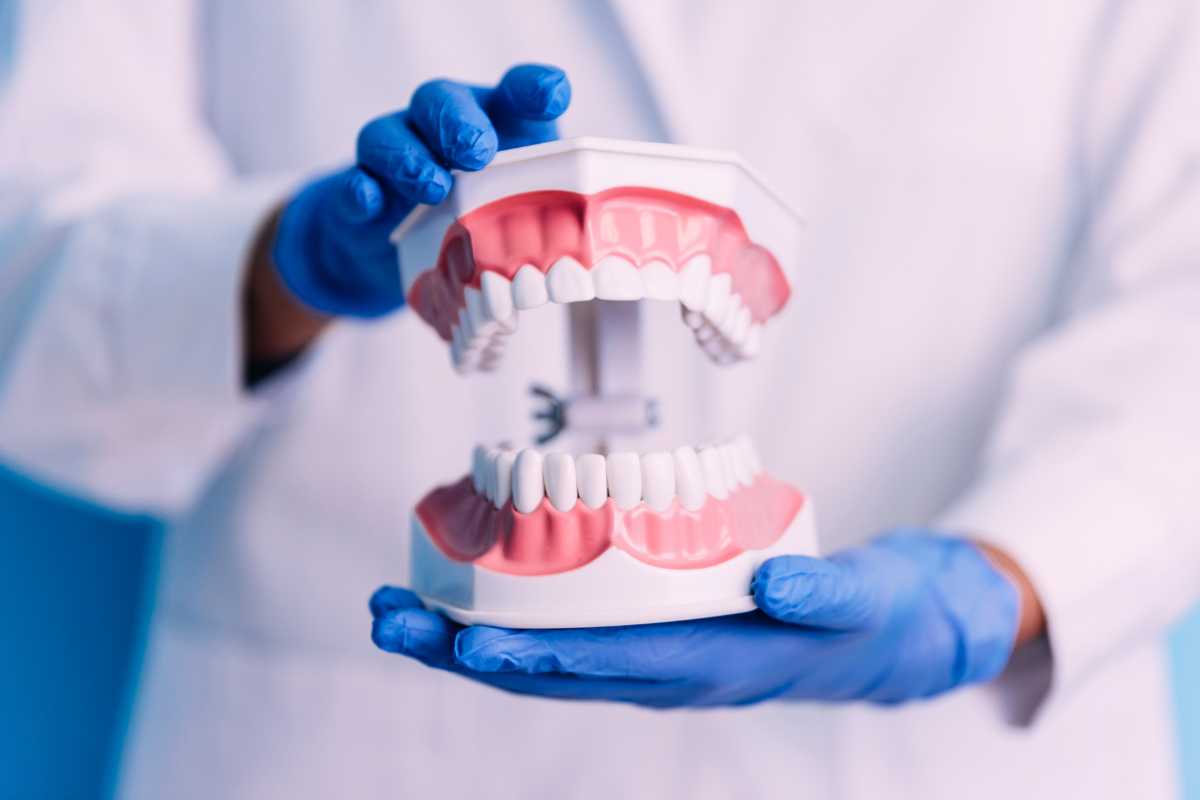
Look in the mirror and notice your bottom front teeth. Are they a little more crowded than they used to be? Many adults chalk this up to getting older, the same way they might expect gray hair or reading glasses. But shifting teeth are not just a normal part of aging. They are usually a sign of an orthodontic problem that has been building quietly for years.
This mix up matters because the fix is often simple when caught early. Waiting because you assume nothing can be done, or that this is just what happens to everyone, tends to make the problem harder to correct later. An orthodontist rochester patients trust can usually spot the real cause in a single visit. It is rarely just age, and a short exam is often all it takes to know for sure.
Why This Gets Overlooked So Often
Teeth do not move overnight. The crowding that shows up in your thirties, forties, or fifties happens slowly, often less than a millimeter a year. Because the change is so gradual, most people never connect the dots between a slightly crooked smile today and the pressure that has been building inside their mouth for decades.
There is also a common myth that once you finish orthodontic treatment as a teenager, your teeth are set for life. This is not true. Teeth continue to respond to forces inside the mouth throughout adulthood, and without some form of retention, they will almost always drift back toward their original position over time.
What Is Really Happening Inside Your Mouth
Several forces work on your teeth every single day. Your tongue pushes forward when you swallow. Your cheek muscles push inward. Wisdom teeth, even ones that never fully came in, can apply pressure from behind. Over years, these small forces add up.
Gum disease plays a role too, since it can loosen the bone and tissue holding teeth in place, allowing them to tip and shift more easily. Grinding your teeth at night, a habit many people are not even aware of, adds extra pressure that speeds up movement in certain spots. None of this is related to your birthday. It is related to biology and habits that quietly work on your teeth for years.
Signs You Might Be Dismissing
A few changes are easy to write off as normal wear and tear, when they are actually signals worth paying attention to.
- Bottom front teeth that look more crowded than in old photos
- A tooth that has started to overlap a neighbor
- New gaps opening between teeth that used to sit flush
- A bite that feels different than it did five or ten years ago
- Jaw clicking or soreness that was not there before
- Old retainers that suddenly no longer fit
Any one of these on its own might not mean much. Several together usually point to real orthodontic movement rather than something you should just accept. Bringing a list like this to an orthodontist rochester residents already know and trust can turn a vague feeling into a clear answer fast. A short visit often settles the question either way.
Age Related Wear vs Orthodontic Drift
It helps to know the difference between changes that come from normal wear and changes that come from teeth actually shifting position. Here is how they compare.
| Sign | Normal Age Related Wear | Orthodontic Drift |
| Tooth shape | Slight flattening on biting edges | Teeth stay the same shape but move position |
| Front teeth | May look slightly shorter | May overlap or crowd together |
| Gaps | Rare, usually from gum recession | Common, especially between upper front teeth |
| Bite feel | Stays mostly the same | Feels different when you close your mouth |
| Fix needed | Cosmetic bonding or crowns in some cases | Braces, aligners, or a retainer |
A chart like this only tells part of the story, since every mouth is different. Many people searching for a rochester orthodontist assume their case falls into the wear category, when an exam often reveals real movement that needs a different kind of treatment. A proper diagnosis makes all the difference in choosing the right fix.
Why Adults Wait Longer Than They Should
Cost is one reason. Many adults assume orthodontic treatment is only for teenagers and that insurance will not help cover it later in life. Some coverage does apply to adults, and treatment today often uses shorter timelines and less noticeable options than what people remember from their own childhood braces.
Embarrassment plays a role too. Some adults feel like they should have kept their teeth straight after finishing treatment years ago, so they avoid bringing it up. There is nothing unusual about needing a second round of care. A quick search for an orthodontist near me often turns into the first real step toward fixing a bite that has quietly changed over the years, and an orthodontist rochester families have relied on for years sees this exact situation on a regular basis. Most patients feel relieved once they realize how common it actually is.
Know Our Orthodontists
Getting the full picture on what is really happening with your bite starts with the right specialist. Anyone typing orthodontist near me into a search bar in Brockport, Irondequoit, or Greece will find Bateman Orthodontics. Two experienced doctors lead the practice and see this exact concern often.
Dr. Jeremy Bateman earned his Bachelor of Arts in Biological Sciences and Master of Science in Oral Sciences from SUNY Buffalo, then completed his Doctorate of Dental Medicine at Temple University. He went on to complete his orthodontic certificate at Wilford Hall Medical Center and graduated as valedictorian of his dental school class on a military scholarship. Dr. Bateman served seven years in the U.S. Army, reaching the rank of Major, and later worked as a Staff Orthodontist and Orthodontic Mentor at Womack Army Medical Center. He now lives in Rochester with his family and continues teaching at a local dental assisting program.
Dr. Ben Levenson graduated at the top of his dental school class and was elected to the Omicron Kappa Upsilon National Dental Honor Society, a mark of academic distinction in the dental field. He completed his orthodontic certificate at the Eastman Institute for Oral Health right here in Rochester. Dr. Levenson grew up in Longmeadow, Massachusetts, and attended Syracuse University, where he majored in chemistry and graduated with honors before pursuing dentistry.
Together, Dr. Bateman and Dr. Levenson bring decades of combined training to every patient who walks through the door, whether it is a teenager’s first consultation or an adult revisiting orthodontic care years later.
What Our Patients Say
Patient stories often capture what a practice is really like better than any list of credentials. One patient shared that:
“This office is amazing Caitlin was so patient and kind. She walked us through all of the steps of having a new expander. We are always feeling so welcomed at this office. They’re great at communicating and we had a text about our next appt before we even left. ” ★★★★★ (Lauren Maar)
Feedback like this reflects the kind of thoughtful, patient first care adults can expect when addressing shifting teeth at any age.
Treatment Options Worth Knowing About
Adults today have more choices than the metal braces many remember from their own teenage years. Clear aligners like Invisalign have become a popular option because they are far less noticeable and can be removed for eating and cleaning.
Traditional braces still work well for more complex cases, especially when teeth need significant repositioning. A retainer alone is sometimes enough if the movement is caught early, before it turns into full blown crowding. The right choice always depends on your specific bite, which is why a proper exam matters more than guessing based on what worked for someone else.
Frequently Asked Questions
1. Can teeth shift even if I wore my retainer for years after braces?
Yes, teeth can still shift over time even after consistent retainer use, especially if wear naturally decreased as you got older or the retainer stopped fitting properly.
2. Is it too late to fix crowding if I am over forty?
Age is rarely a barrier to treatment. Many adults in their forties, fifties, and beyond complete orthodontic treatment successfully with modern options.
3. How long does adult treatment usually take?
Timelines vary based on how much movement is needed, but many adult cases finish faster than people expect, sometimes in under a year for milder crowding.
4. Will insurance help cover treatment for an adult?
Some dental plans offer partial coverage for adult orthodontic treatment, though benefits vary widely, so it helps to check your specific plan before starting.
5. Does teeth grinding actually cause teeth to move?
Yes, grinding puts extra pressure on certain teeth over time, which can speed up shifting and contribute to a changing bite.
6. Can gum disease really affect how my teeth sit in my mouth?
Yes, gum disease weakens the support structures around teeth, which can allow them to loosen and shift more easily than they would in healthy gums.
7. Is clear aligner treatment as effective as traditional braces for adults?
For many adult cases, clear aligners work just as well as braces, though more complex bite issues sometimes still call for traditional brackets and wires.
8. What happens during a first orthodontic consultation as an adult?
A first visit usually includes a look at your bite, some photos or scans, and a conversation about what changes you have noticed and what options fit your goals.
Ready to Take the Next Step?
Shifting teeth are not something you simply have to live with as the years go by. If your smile looks different than it used to, or your bite feels off in ways you cannot quite explain, a real exam can tell you what is actually happening. Searching for an orthodontist near me is often the first step adults take once they decide their smile is worth a second look. Bateman Orthodontics welcomes that conversation at any of our Brockport, Irondequoit, or Greece locations.
Reach out today to schedule a consultation. Find out whether what you are seeing in the mirror is truly aging, or a treatable problem an orthodontist rochester families trust can help you fix for good. Your smile is worth a second opinion.
Tags:
Posted on August 14, 2026