AnywhereDolphin™

Search Blog:
Share Article:


Should You Choose a Dentist or Orthodontist for Invisalign?
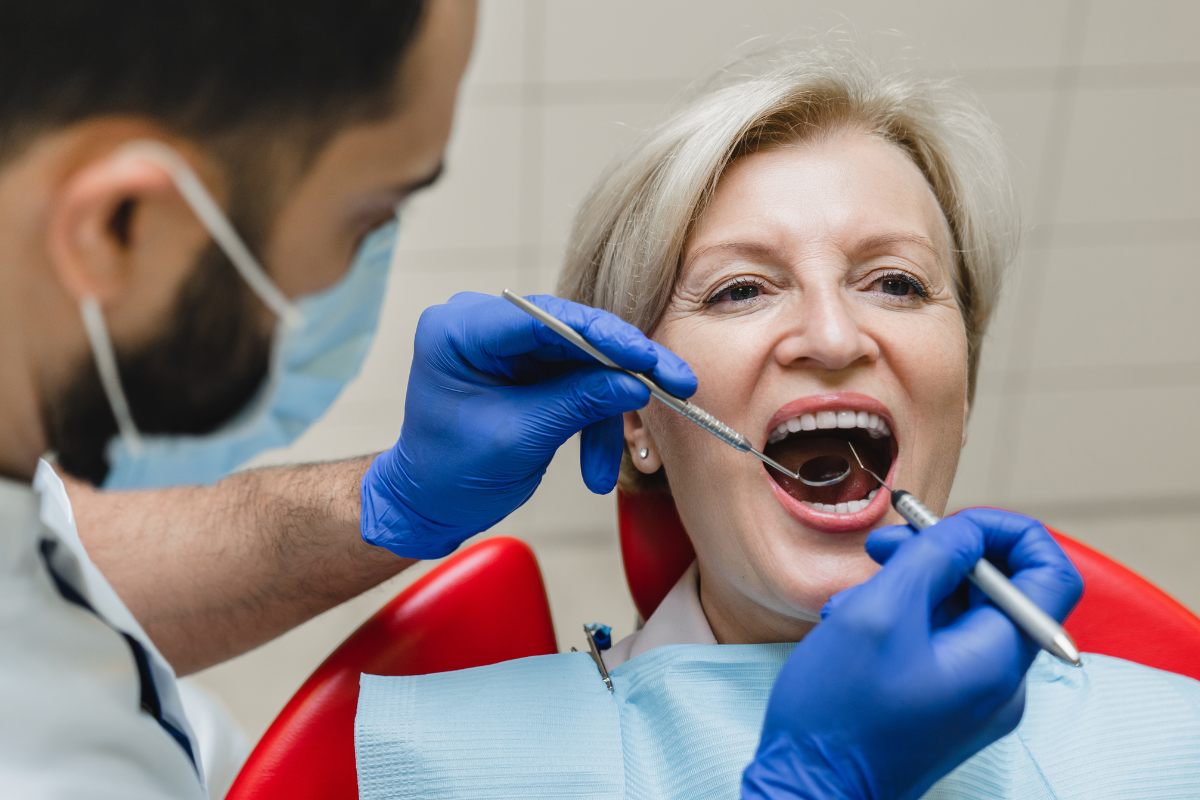
Straightening your teeth with clear aligners sounds simple until you start looking for a provider. General dentists and orthodontists both offer Invisalign, and the ads for each can make it hard to know which one fits your case.
The truth is that both can do good work, but the right choice depends on how much movement your teeth actually need. This guide breaks down the real differences so you can make a confident choice for your invisalign treatment in Rochester.
What a General Dentist Offers
Many dentists now offer Invisalign as part of their regular services. They can take your scans, fit your trays, and check your progress at your normal cleaning visits.
Where Dentists Do Well
A general dentist is often a solid fit for mild cases, like small gaps or slightly crowded front teeth. Since you already see them for regular care, it can feel convenient to handle everything in one place.
Where Training Can Fall Short
Most dentists complete a short certification course to offer Invisalign, not years of extra schooling focused only on tooth movement. For simple cases this is rarely an issue, but complex bite problems may need a closer eye.
What an Orthodontist Brings to the Table
Orthodontists spend two to three extra years after dental school studying nothing but tooth movement and bite alignment. This deeper training matters most when your case involves more than just straightening front teeth.
Handling Complex Bite Issues
Overbites, underbites, crowded back teeth, and jaw alignment problems often call for the extra expertise an orthodontist near Rochester can offer. These cases need careful planning across the whole mouth, not just the teeth people notice in photos.
Tracking Progress With Precision
An orthodontist also has more experience adjusting a treatment plan mid course if teeth are not moving the way the software predicted. Small tweaks along the way can save you months of extra treatment time.
Questions to Ask Before You Choose
Picking the right provider comes down to a few honest questions.
- How many Invisalign cases has this provider completed?
- Will the same person check my progress at every visit?
- What happens if my case turns out more complex than expected?
- Are refinement trays included if my plan needs to change?
A confident, clear answer to each of these questions is a good sign, no matter which type of provider you choose.
Why Case Complexity Should Guide Your Decision
Not every smile needs the same level of expertise. Mild spacing or minor crowding often responds well no matter who manages your invisalign treatment in Rochester. But bite problems, missing teeth, or jaw alignment issues usually call for specialized training.
If you are not sure how complex your case is, a consultation with an orthodontist is the safest first step. They can tell you honestly if a general dentist could handle it or if specialized care would get you better, longer lasting results.
Local Options for Rochester and Brockport Families
Families across Rochester and Brockport have plenty of choices when it comes to straightening their teeth, which makes it even more important to compare training and experience before committing. Winters here also mean more indoor time and school schedules built around snow days, so flexible appointment options matter for busy households.
Bateman Orthodontics has served patients in both Rochester and Brockport for years, with a team that focuses only on orthodontic care rather than splitting time across general dentistry. Local families searching for invisalign treatment in Rochester often appreciate having a provider close to home who understands both simple and complex cases.
Frequently Asked Questions
1. Is Invisalign more expensive with an orthodontist than a dentist?
Pricing varies by case complexity more than by provider type. Simple cases often cost less no matter who treats them.
2. Can I switch providers partway through treatment?
It is possible, though it can add time and cost since a new provider needs to review your case from the start.
3. How long does Invisalign treatment usually take?
Most cases run between twelve and eighteen months, though mild cases can finish faster and complex ones may take longer.
4. Do I need X-rays before starting Invisalign?
Yes, X-rays help your provider see root position and bone health, which are not visible from scans alone.
5. What if my teeth do not move as planned?
Your provider can adjust your treatment plan with refinement trays to get things back on track.
6. Is Invisalign painful?
Most patients feel mild pressure for a few days after switching to a new tray, which usually fades quickly.
7. Can adults get Invisalign at any age?
Yes, there is no upper age limit as long as your teeth and gums are healthy enough for movement.
8. How often are checkup visits during treatment?
Most providers schedule checkups every six to eight weeks to track progress and hand out new trays.
Final Thoughts
Both dentists and orthodontists can offer real results with Invisalign, but the best choice depends on your specific case. Mild spacing issues may do just fine with a general dentist, while more complex bite problems usually benefit from focused orthodontic training. Taking time to ask the right questions upfront can save you from a longer, more frustrating treatment later.
If you are weighing your options for invisalign treatment in Rochester, a second opinion never hurts, especially for cases that feel more complicated than a simple gap or crowded tooth. Bateman Orthodontics welcomes patients from Rochester and Brockport who want expert guidance from a trusted orthodontist near Rochester.
Schedule an online consultation with Bateman Orthodontics today and get a clear answer about the best path for your smile.
Posted on July 30, 2026