AnywhereDolphin™

Search Blog:
Share Article:


The Role of Retainers in Long-Term Orthodontic Success
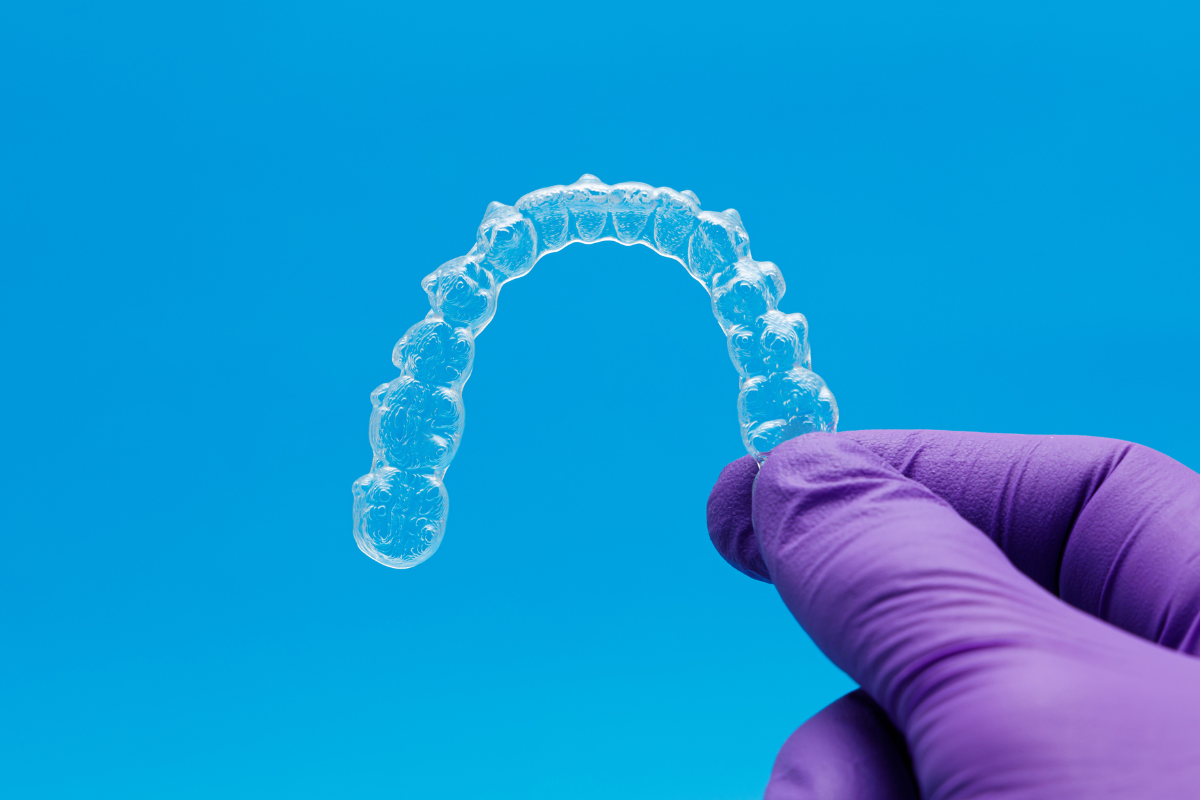
Getting braces off is a big moment. But what happens after is just as important. Retainers are the quiet heroes of orthodontic treatment. Without them, all the progress made during treatment can slowly disappear.
If you or your child recently finished treatment with an orthodontist, this guide will help you understand why retainers matter and how to make the most of your results.
Why Teeth Move Back After Treatment
Teeth are held in place by soft tissue and bone. When braces or aligners shift your teeth into the right position, that surrounding tissue needs time to adjust and “set.” Until it does, teeth have a natural tendency to drift back toward where they were.
This is called relapse, and it happens more often than people expect. In fact, studies show that most patients see some degree of shifting if they stop wearing their retainer too soon.
An orthodontist will always tell you: wearing your retainer is not optional. It is a key part of the treatment plan.
Types of Retainers and How They Work
There are two main types of retainers. Each one works differently depending on your needs.
Removable Retainers
These can be taken out for eating and cleaning. There are two common styles:
- Hawley retainers: Made of acrylic with a wire that runs across the front teeth
- Clear plastic retainers: Look similar to Invisalign trays and are nearly invisible
Both types need to be worn consistently, especially in the first year after treatment.
Fixed Retainers
These are thin wires bonded to the back of your teeth. You cannot remove them yourself. They work around the clock to hold your teeth in place. Many people prefer these because there is no habit of remembering to wear them.
Your orthodontist will recommend the right type based on your bite, your age, and how much movement was involved in your treatment.
How Long Do You Need to Wear a Retainer?
This is the question most patients ask. The honest answer: for a very long time.
In the first few months after treatment, you will likely need to wear your retainer full-time. After that, most orthodontists recommend wearing it every night, indefinitely.
Many people make the mistake of stopping after a year or two because their teeth feel stable. But even small changes in your bite from aging, wisdom teeth, or grinding can cause shifting. Wearing your retainer a few nights a week keeps those changes in check.
Think of it like sunscreen. You do not stop using it after one sunburn-free summer.
Common Retainer Problems (and How to Handle Them)
It No Longer Fits
If your retainer feels tight or will not go in at all, your teeth have shifted. Do not try to force it. Contact your orthodontist right away. Depending on how much shifting has occurred, you may need a new retainer or a short round of retreatment.
It Got Lost or Broken
It happens. Kids especially tend to lose retainers at school or wrap them in napkins at lunch. Call your orthodontist to get a replacement as soon as possible. Even a few weeks without a retainer can allow movement.
It Feels Uncomfortable
A little pressure when you first put it in after not wearing it is normal. Ongoing pain is not. If your retainer causes soreness regularly, let your orthodontist know.
Caring for Your Retainer the Right Way
A retainer sits in your mouth for hours at a time. Keeping it clean protects both the retainer and your oral health.
For removable retainers, rinse with cool water every time you take it out. Brush it gently with a soft toothbrush. Avoid hot water because it can warp the plastic.
Use a retainer case every time you take it out. A napkin is not a safe place for a retainer.
For fixed retainers, flossing requires a bit more effort. A floss threader or water flosser helps clean around the wire. Your dentist or orthodontist can show you the right technique during a visit.
Retainers for Kids vs. Adults
Children and teens are still growing, which means their jaws and teeth can shift more easily. It is especially important for younger patients to wear their retainers as directed. Many parents find it helpful to build retainer wear into a nighttime routine, right alongside brushing and washing up.
For adults, relapse is slower but still possible. Adult patients who wore braces earlier in life and stopped using retainers often notice shifting by their 30s or 40s. The good news is that an experienced orthodontist can often correct mild shifting without going back to full braces.
Local Perspective: What Patients Near Rochester Are Asking
Patients across Monroe County and the surrounding areas often come in asking why their teeth have shifted years after treatment. Many of them stopped wearing retainers because no one clearly explained how long they needed to continue.
Rochester, New York sits in a part of the country where the population includes a mix of working families, college students, and long-term residents. Each group faces different challenges when it comes to keeping up with retainer care. Students moving to college forget to bring their cases. Busy parents lose track of their children’s retainers. Adults who move to the area from other cities find that they need a new local orthodontist to help them maintain their results.
There are many dental clinics in and around Rochester and Brockport, and patients have plenty of options. But finding a practice that provides thorough guidance on long-term retention, not just the treatment itself, makes a real difference in whether your results last.
Bateman Orthodontics, serving both Rochester and Brockport, New York, is one of the few practices in the area that places long-term retention at the center of patient care. The team helps patients at every stage, whether they are just finishing treatment or returning after years away.
Signs You May Need to See an Orthodontist Again
Not everyone returns for retreatment. But there are some signs worth paying attention to.
- Your teeth look less straight than they did after treatment
- Your retainer no longer fits or feels very tight
- You have a new gap between teeth that was not there before
- You grind your teeth at night and notice wear on your retainer
- It has been more than a year since your last orthodontic checkup
If any of these sounds familiar, an orthodontist rochester area can evaluate your current alignment and suggest the most practical next step.
Frequently Asked Questions
1. How soon after getting braces off should I start wearing a retainer?
Your orthodontist will provide a retainer on the same day your braces are removed. You should start wearing it immediately as instructed.
2. Can I stop wearing my retainer after a few years?
It is best not to stop completely. Most orthodontists recommend wearing it at least a few nights per week for life to prevent gradual shifting.
3. What happens if I forget to wear my retainer for a week?
A short lapse may not cause much visible change, but the retainer may feel tighter when you put it back in. Get back to wearing it and check in with your orthodontist if it feels painful.
4. Is a fixed retainer better than a removable one?
Both have advantages. Fixed retainers work passively without any effort on your part, but they require careful cleaning. Removable retainers are easier to clean but rely on consistency.
5. Do retainers affect speech?
Some people notice a slight lisp when they first start wearing a removable retainer. This usually improves within a few days as your mouth adjusts.
6. What age should children get a retainer?
Children typically receive a retainer right after their orthodontic treatment ends, regardless of age. Younger patients need close monitoring because their jaws are still developing.
7. How much does a replacement retainer cost?
Costs vary by type and practice. It is worth asking about retainer replacement policies when you start treatment. Some offices include one replacement in their fee.
8. Can adults benefit from wearing retainers even if they never had braces?
If an adult undergoes orthodontic treatment at any age, retainers are necessary afterward. Without them, results will not last.
Conclusion
Retainers are not an afterthought. They are what makes orthodontic treatment last. Skipping them undoes months or years of careful work. Whether you are a teen who just got your braces off or an adult who finished treatment years ago, consistent retainer use is the most straightforward way to protect your smile.
If you are looking for an orthodontist rochester or the Brockport area, Bateman Orthodontics offers clear guidance and practical support for every stage of your orthodontic journey, including long-term retention. Schedule a consultation with Bateman Orthodontics today to get an honest assessment of where your smile stands and what it needs to stay that way.
Posted on May 27, 2026