AnywhereDolphin™

Search Blog:
Share Article:


Types of Orthodontic Treatments Explained: Braces, Aligners, Retainers, and More
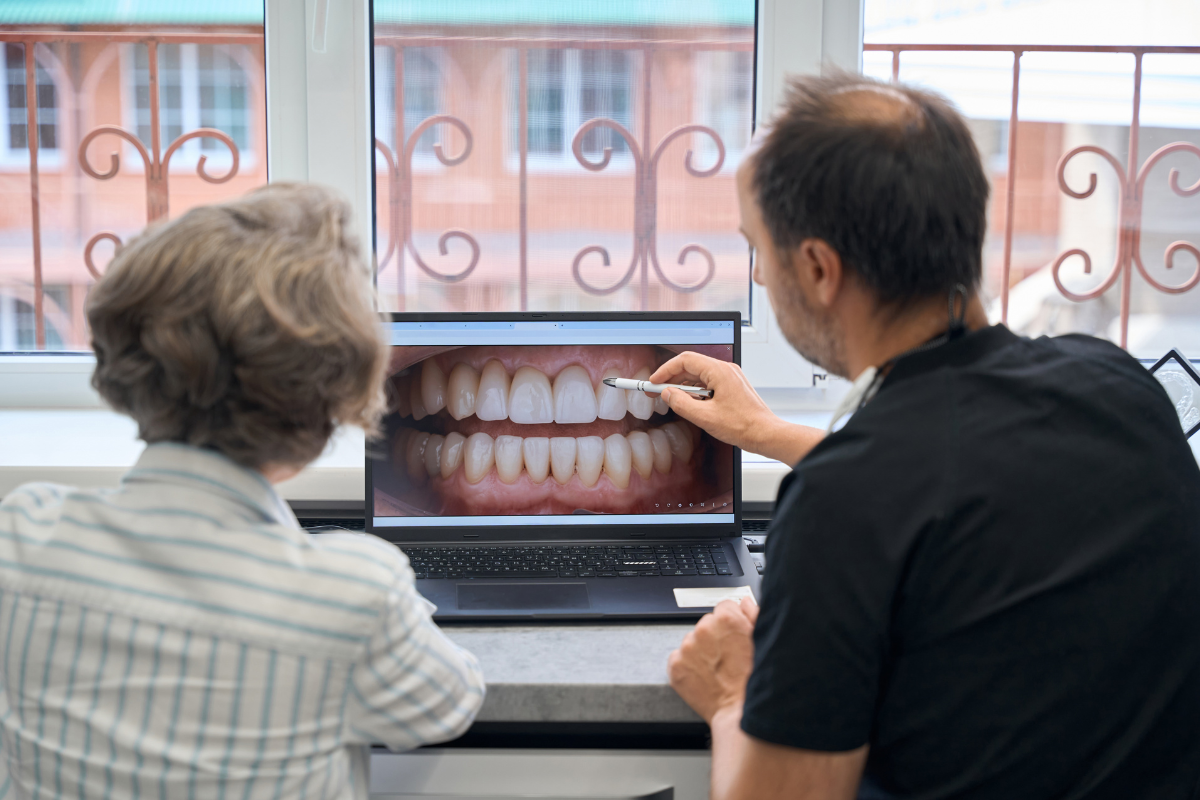
Thinking about straightening your teeth but not sure where to begin? You are not alone. Many people across western New York have the same questions. What are the options? How long does it take? Which one actually works for me?
This guide breaks it all down in plain language. Whether you are a parent looking into care for your child or an adult ready to finally fix your smile, this post will help you understand what is available before you walk into your first appointment.
Seeing a qualified orthodontist is the best first step. The right treatment depends on your teeth, your age, and your daily life. Let this be your starting point.
What Does an Orthodontist Actually Do?
An orthodontist is a dental specialist trained to correct the alignment of teeth and jaws. They complete two to three extra years of focused education after dental school, specifically studying tooth movement and jaw development.
A general dentist handles cleanings, fillings, and checkups. An orthodontist focuses on how your teeth line up and how your bite functions. If you have crowded teeth, gaps, an overbite, or an underbite, an orthodontist is the right person to see.
Bateman Orthodontics serves patients across three locations in western New York, including Brockport, Irondequoit, and Greece, offering a full range of modern treatments for kids, teens, and adults.
Traditional Metal Braces
Metal braces are the most recognized type of orthodontic treatment. They use small metal brackets bonded to each tooth, connected by a wire that slowly guides teeth into the right position over time.
Who are they best for?
- Kids and teenagers with significant alignment issues
- Cases with complex bite problems or severely crowded teeth
- Patients who want a reliable and cost-effective option
Metal braces are highly effective. Treatment usually takes one to three years depending on the case. Today’s braces are smaller and more comfortable than older versions.
Ceramic Braces
Ceramic braces work just like metal braces but use tooth-colored or clear brackets. They blend in with the natural color of your teeth, so they are less noticeable.
They are popular among teens and adults who want effective treatment without the visible look of metal. One thing to know: ceramic brackets can stain if you regularly drink coffee, tea, or dark sodas. Your orthodontist can help you figure out if ceramic braces are a good fit for your habits and goals.
Clear Aligners
Clear aligners are a popular alternative to braces. They are smooth, transparent plastic trays that fit directly over your teeth. You switch to a new set of trays every one to two weeks, and each set moves your teeth a small step closer to the final result.
Key benefits of clear aligners:
- Nearly invisible when worn
- Removable for eating, brushing, and flossing
- No metal brackets or wires
- Easier to keep your teeth clean during treatment
Clear aligners work best for mild to moderate alignment issues. They do require strong commitment. You need to wear them 20 to 22 hours a day for them to work properly.
If you are looking for an orthodontist Rochester families and adults trust for discreet care, Bateman Orthodontics offers customized aligner treatment across all three of its locations.
Self-Ligating Braces
Self-ligating braces look similar to traditional braces but use a built-in clip instead of elastic bands to hold the wire in place. This reduces friction, which can make the process faster and more comfortable for some patients.
They also require fewer adjustment visits, which works well for busy families. Your orthodontist will let you know if this option fits your case.
Retainers: Keeping Your Smile in Place
After braces or aligners come off, a retainer keeps teeth from shifting back. This step is just as important as the treatment itself. Teeth have a natural tendency to move, especially right after active treatment ends.
Types of retainers:
- Removable retainers (Hawley-style or clear plastic) that you take in and out
- Fixed retainers, which are thin wires bonded behind your front teeth
Most patients wear retainers full-time at first, then shift to nights only. Wearing your retainer as directed protects all the work done during treatment. Skipping it can undo months of progress.
Palate Expanders
A palate expander is used mostly in younger patients whose jaws are still growing. It gently widens the upper jaw over several months to create more room for teeth to come in correctly.
This device is often used before braces to correct a narrow arch or crossbite. Starting early can reduce the need for more involved care later on.
An experienced orthodontist Rochester area families rely on will check whether an expander makes sense for your child at the right stage of development. Bateman Orthodontics evaluates each young patient carefully to catch these issues early.
Orthodontic Treatment for Adults
Adults now make up a growing share of orthodontic patients. Whether your teeth shifted after childhood treatment or you never had braces at all, treatment is still very possible.
Adults in the Brockport, Irondequoit, and Greece areas have access to a full range of options at Bateman Orthodontics. Clear aligners and ceramic braces are especially popular with adult patients because they are less visible. Treatment timelines for adults are often similar to those for teens.
Straight teeth are not just about looks. Better alignment also makes it easier to clean your teeth properly, which supports long-term dental health.
How to Know Which Treatment Is Right for You
Every mouth is different. There is no single treatment that fits everyone. The best way to find out your options is to come in for an evaluation.
During your first visit, your orthodontist will look at your teeth, take X-rays if needed, and talk through the best path for your case.
Factors that shape your treatment choice:
- The severity of crowding, spacing, or bite issues
- Your age and whether your jaw is still growing
- Your daily habits and lifestyle
- Your budget and insurance coverage
Being well-informed before your first appointment helps you ask better questions and feel more confident in your decision.
Take the First Step Toward a Healthier Smile
Understanding your options is a big part of making a smart choice. From metal braces to clear aligners to retainers, each treatment type has a purpose and a best-fit patient. The right orthodontist will take the time to walk you through everything and create a plan that fits your teeth, your schedule, and your budget.
If you or your child are ready to explore what is possible, schedule a consultation with Bateman Orthodontics. Our team serves patients across Brockport, Irondequoit, and Greece, New York, with a warm, patient-centered approach and up-to-date treatment options.
Contact our Bateman Orthodontics rochester and brockport office today to book your first visit. Whether you are just starting to research or ready to move forward, we are here to help you do it with confidence.
Frequently Asked Questions
1. How do I know if I need orthodontic treatment?
If your teeth are crowded, spaced out, or your upper and lower teeth do not meet properly when you bite, you may benefit from treatment. Common signs include difficulty chewing, speech issues, or teeth that look visibly out of place. A professional evaluation is the only sure way to know.
2. At what age should my child first see a specialist?
Most professionals recommend a first evaluation around age seven. At that point, a specialist can spot early issues with jaw growth or tooth positioning, even if treatment does not start right away. Early assessment allows for better planning down the road.
3. How long does treatment usually take?
Treatment length depends on the case. Mild corrections may take less than a year. More complex cases can take two to three years. The type of treatment you choose also plays a role. Your care provider will give you a realistic timeline after looking at your teeth.
4. Do clear aligners work as well as braces?
For mild to moderate cases, clear aligners can be just as effective as braces. They do require strong commitment since you must wear them most of the day. For more complex bite issues, traditional braces may still be the better choice.
5. Is treatment covered by insurance?
Many dental insurance plans include some level of coverage for treatment, especially for children. Adult coverage varies. It is worth calling your insurance provider before your first appointment to understand what your plan includes.
6. What happens if I skip wearing my retainer?
Teeth can begin shifting back relatively quickly after active treatment ends. Even small shifts can affect your bite and the results you worked for. Wearing your retainer as directed is the most important thing you can do to protect your results long-term.
7. Can adults get the same results as teenagers?
Yes. Adult teeth can be moved successfully with the right treatment plan. The biology is slightly different since adult jaws are no longer growing, but results are very achievable. Many adults see excellent outcomes with braces or clear aligners.
8. How do I choose between braces and clear aligners?
It comes down to the complexity of your case, your lifestyle, and your personal preference. Braces handle a wider range of issues. Aligners offer more flexibility day to day. A qualified specialist will help you weigh both and choose based on what your teeth actually need.
Posted on April 7, 2026