AnywhereDolphin™

Search Blog:
Share Article:


A Comprehensive Guide to Orthodontic Care for All Ages
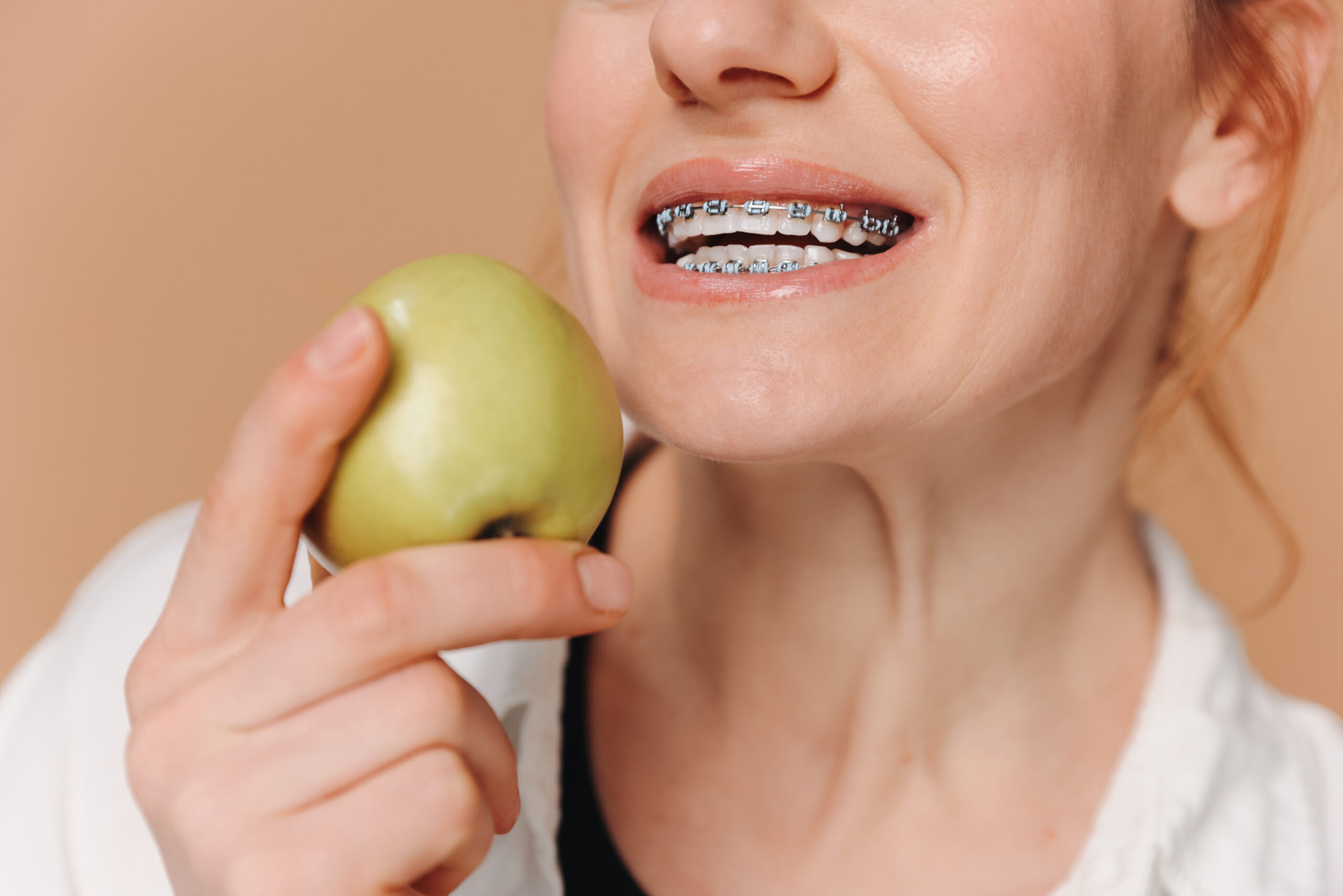
A healthy smile is more than straight teeth; it’s about balanced facial structure, clear speech, and confident expression. Whether you’re a parent exploring early care options or an adult considering treatment, understanding orthodontic care can help you make the right decision for lasting oral health. If you’ve been searching for a trusted orthodontist in Rochester, this guide will help you understand how orthodontic treatment supports patients at every stage of life.
What Is Orthodontic Care?
Orthodontic care focuses on diagnosing, preventing, and correcting issues related to tooth and jaw alignment. This form of dentistry goes beyond appearance; it helps improve chewing, speaking, and long-term dental health. A professional orthodontist uses braces, aligners, and other appliances to guide teeth into healthier positions, reducing strain on your gums and jaw.
Why Orthodontic Health Matters?
Misaligned teeth can lead to more than cosmetic issues. They can cause uneven wear, gum irritation, and even jaw pain. According to the American Association of Orthodontists (AAO), early evaluation by age 7 is key to detecting potential growth concerns before they become more complex. Proper alignment also reduces the risk of cavities and tooth damage by making it easier to maintain oral hygiene.
Orthodontic Care for Every Age Group
Early and Pre-Teen Years
The best time to start orthodontic care for most children is around age 7, when their permanent teeth begin to erupt. Early evaluations allow an orthodontist to detect bite irregularities, spacing issues, and jaw alignment concerns before they become more complex. If left untreated, these problems can worsen and require more invasive treatments later on.
If your child shows signs of misalignment or has difficulty biting, chewing, or speaking clearly, it’s a good idea to consult an orthodontist in Rochester for an evaluation. Early intervention can often simplify future treatment and help guide the development of a healthy smile.
Teenage Years
Teenagers are typically ready for orthodontic treatment once most of their permanent teeth have come in. This is when conventional treatments such as traditional metal braces or clear ceramic braces are commonly used. Clear aligners like Invisalign® are also a popular choice among teens who want a more discreet treatment option. These treatments work by gradually shifting teeth into their proper position, and they’re designed to address a range of issues from crowding to bite problems.
For teens, orthodontic care can help prevent future dental problems while enhancing their appearance and self-confidence. Parents often opt for orthodontic treatment at this stage to ensure their children’s long-term dental health.
Adult Orthodontics
It’s never too late to seek orthodontic care. In fact, more and more adults are turning to orthodontics for cosmetic reasons, functional benefits, or both. As we age, teeth can shift, and misalignment issues may arise. Fortunately, modern treatments like clear aligners or self-ligating braces offer adults more options than ever before. These treatments are less noticeable, more comfortable, and can be tailored to fit into busy adult lifestyles.
Adults can benefit from orthodontics not only for cosmetic improvement but also for functional reasons, such as correcting a bite problem that may cause jaw pain or difficulty chewing. An orthodontist in Rochester can guide adults through a treatment plan that aligns with their lifestyle and goals.
Types of Orthodontic Treatments
Orthodontic treatments vary depending on age, condition, and personal preferences. At Bateman Orthodontics, patients have several options:
- Traditional Metal Braces: The classic option, made of stainless steel, these braces are highly effective for correcting severe misalignments.
- Self‑ligating Braces: These braces use a built-in mechanism to hold the wire in place, reducing the need for elastic bands and offering a sleeker, more comfortable alternative.
- Clear Ceramic Braces: These braces work just like traditional braces but are made of a tooth-colored ceramic material, making them more discreet.
- Clear Aligners: This modern solution uses removable, clear plastic trays that gradually shift teeth into place. They are an excellent choice for those seeking a more subtle, comfortable treatment.
Your orthodontist in Rochester will recommend the best treatment option based on your individual needs and goals.
Signs You May Need Orthodontic Care
There are several signs that may indicate you or your child could benefit from orthodontic care:
- Crowded or overlapping teeth
- Difficulty biting, chewing, or speaking clearly
- Jaw pain or discomfort
- Teeth grinding or jaw clicking
- Gaps between teeth
Even subtle misalignments can lead to more significant dental problems in the future. If you notice any of these signs, it’s a good idea to schedule a consultation with an orthodontist.
What to Expect During Treatment?
Orthodontic treatment typically follows these steps:
- Initial Consultation: Your orthodontist will review your medical history and take X-rays or digital scans to assess the alignment of your teeth.
- Treatment Planning: Based on the consultation, your orthodontist will recommend a treatment plan that’s customized to your needs.
- Placement of Braces or Aligners: If you choose braces or aligners, the orthodontist will fit them, and you’ll start your journey toward a straighter smile.
- Adjustments: Regular visits will be required to adjust the braces or aligners as your teeth shift into position.
- Retention: Once your teeth are in their final position, you’ll wear a retainer to keep them from shifting back.
Maintaining Results After Treatment
After your orthodontic treatment is complete, it’s essential to maintain your results. Wearing your retainer as directed is crucial in ensuring your teeth stay in their new positions. Skipping this step can result in teeth shifting back, requiring further treatment.
Maintaining proper oral hygiene, including brushing, flossing, and visiting your general dentist for checkups, will help keep your teeth and gums healthy. Avoiding harmful habits like nail-biting or chewing on hard objects will also protect your smile. In some cases, your orthodontist may suggest minor adjustments or touch-up aligners to keep your smile looking great for years to come.
Your Best Smile Awaits
Orthodontic care can benefit people of all ages, from children to adults. Whether you’re seeking to correct misalignment, improve your bite, or enhance your smile’s appearance, working with a reliable orthodontic care provider will ensure the best results.
If you are considering orthodontic treatment, contact our local dental clinic to book a quick consultation. A personalized plan will guide you toward a healthy, beautiful smile.
Common FAQs: Orthodontic Care
1. At what age is it best to start orthodontic treatment?
The American Association of Orthodontists recommends an initial evaluation by age 7, though treatment may start later depending on the individual.
2. Are clear aligners as effective as braces?
Clear aligners can treat mild to moderate misalignments effectively. However, more complex cases may still require braces.
3. How long will treatment take?
Treatment typically lasts between 12 and 24 months, depending on the severity of the case. Some people may see results faster, especially with clear aligners.
4. Does insurance cover orthodontic care?
Many dental insurance plans offer partial coverage for orthodontic treatments, especially for children. Check with your insurance provider for specific details.
5. How do I clean braces properly?
Use a soft-bristle toothbrush to gently clean around your braces, and use floss or interdental brushes to clean between the teeth and under the wires.
6. Can adults get braces or aligners?
Yes, orthodontic treatment is effective for people of all ages. Today’s treatments offer more discreet and convenient options for adults.
Posted on October 15, 2025