AnywhereDolphin™

Search Blog:
Share Article:


Do You Need to Wear a Retainer After Invisalign Treatment?
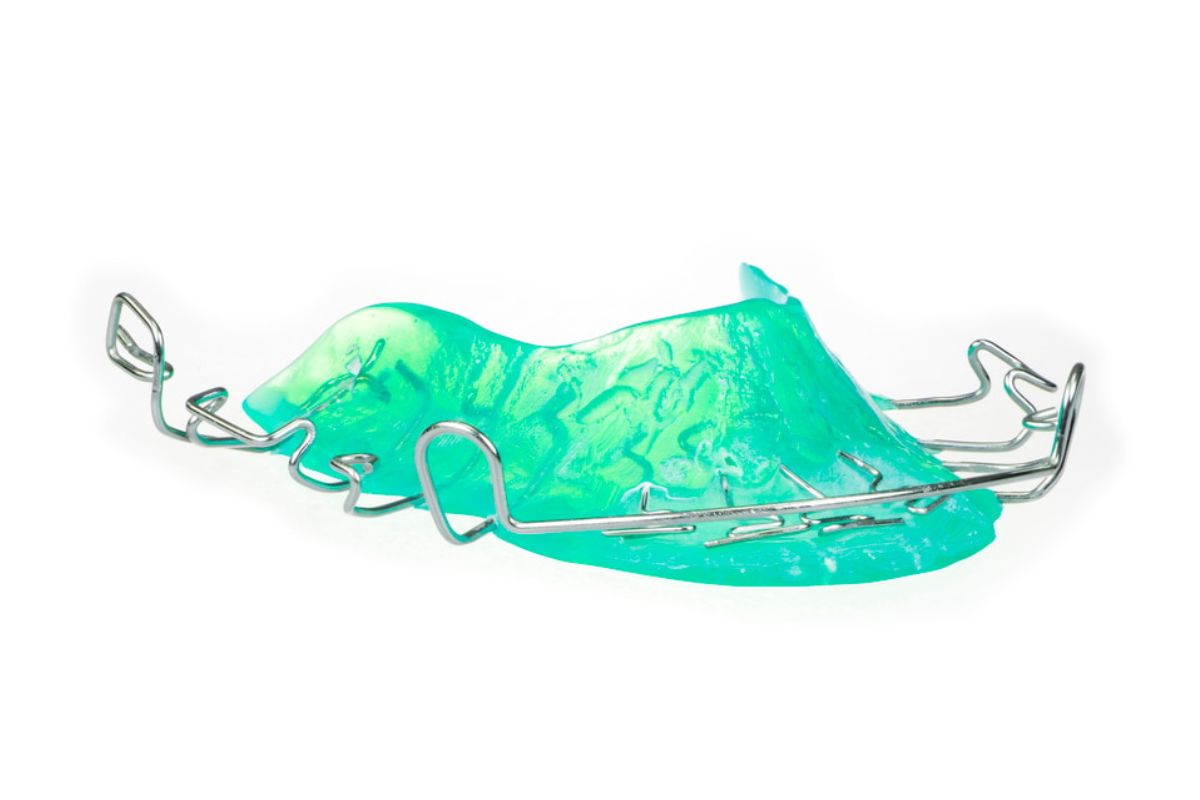
After completing your Invisalign treatment, you take a look at your straightened teeth in the mirror and think, ‘Is this really my smile?’ But then, a question arrives in your mind: “Do I need to wear a retainer now?”
You might have heard mixed things about it and wondered if it’s actually necessary. You have already spent months wearing those clear aligners — so why do you need the retainer again?
A retainer is an essential part of the post-Invisalign process. In this blog we will explain why it’s so important and how you can make it a seamless part of your routine.
Why Do You Need a Retainer After Invisalign Treatment?
After your Invisalign treatment, your teeth may look aligned, but they’re not settled yet. Without a retainer, your teeth can start shifting back to their original positions.
Here are a few key reasons why wearing a retainer is essential:
Prevent Shifting:
Even though your teeth may look straight, they’re still settling into their new positions. A retainer helps keep them in place while they adjust fully.
Maintain Your Investment:
You have invested time and money into achieving that beautiful smile. Wearing a retainer is a simple way to protect your investment and make sure your results last.
Long-Term Stability:
Wearing a retainer after Invisalign helps maintain the alignment of your teeth for years to come, minimizing the risk of future dental issues.
How Often Should You Wear a Retainer?
The exact instructions for wearing your retainer will depend on your orthodontist’s recommendations. Here’s a general idea of what to expect:
Immediately After Invisalign:
- Full-time wear (about 22 hours a day) for the first few months.
- Wear it while sleeping and during most of the day, except when eating or drinking anything other than water.
After the First Few Months:
- Gradual reduction: After the first few months, your orthodontist might tell you to wear the retainer only at night. This could continue for several months or even a couple of years.
Long-Term:
- Night-time wear: In many cases, wearing the retainer a few nights a week for the rest of your life will help maintain your results.
Tips for Retainer Success
Wearing a retainer isn’t a hassle when you build it into your routine. Here are some practical tips to make it easier:
- Set a Reminder: Add a nightly reminder on your phone or leave a sticky note to remind you to put it in before bed. It’s a simple step that helps you stay consistent.
- Keep It Clean: Just like your teeth, your retainer needs regular cleaning. Use a toothbrush and mild soap or a retainer cleaning solution to keep it fresh and free of bacteria.
- Carry a Case: When you’re not wearing your retainer, always store it in its case to protect it from damage or loss.
- Avoid Eating With It: Always take out your retainer when eating or drinking anything other than water. This will prevent damaging it or collecting food particles.
- Don’t Skip It: Skipping a night here and there might not seem like a big deal. Over time, it can cause your teeth to shift back. Consistency is key.
What Happens if You Don’t Wear Your Retainer?
It’s natural to feel tempted to skip your retainer after a while, especially if your teeth look perfect. But skipping it can lead to some disappointing results:
- Teeth may shift: Even the slightest shifting can lead to misalignment over time, which could require extra orthodontic treatment.
- You may need braces again: If your teeth shift notably, you may need to start a new round of orthodontic treatment. It could include getting braces or Invisalign again.
How to Get Back on Track if You Missed Wearing Your Retainer
If you have been inconsistent with wearing your retainer, here’s how to get back:
- Start wearing it full-time again: If you notice any shifting, wear your retainer full-time (or as much as possible) for a few weeks to help get your teeth back into place.
- Visit your orthodontist: If you’re concerned your teeth are shifting more than expected, make an appointment. Your orthodontist can assess the situation and suggest the best solution, whether it’s additional aligner treatment or some adjustments to your retainer.
Final Thoughts
Wearing a retainer after Invisalign is a small step that makes a big difference in maintaining your new smile. It’s simple, easy to incorporate into your routine, and ultimately protects the results you worked so hard for.
If you’re unsure about your retainer schedule or have any concerns, request an appointment for consultation with our orthodontist. We are here to help you achieve the best long-term results.
Tags:
Posted on February 24, 2025