AnywhereDolphin™

Search Blog:
Share Article:


When Speech Impediments Start with Your Smile
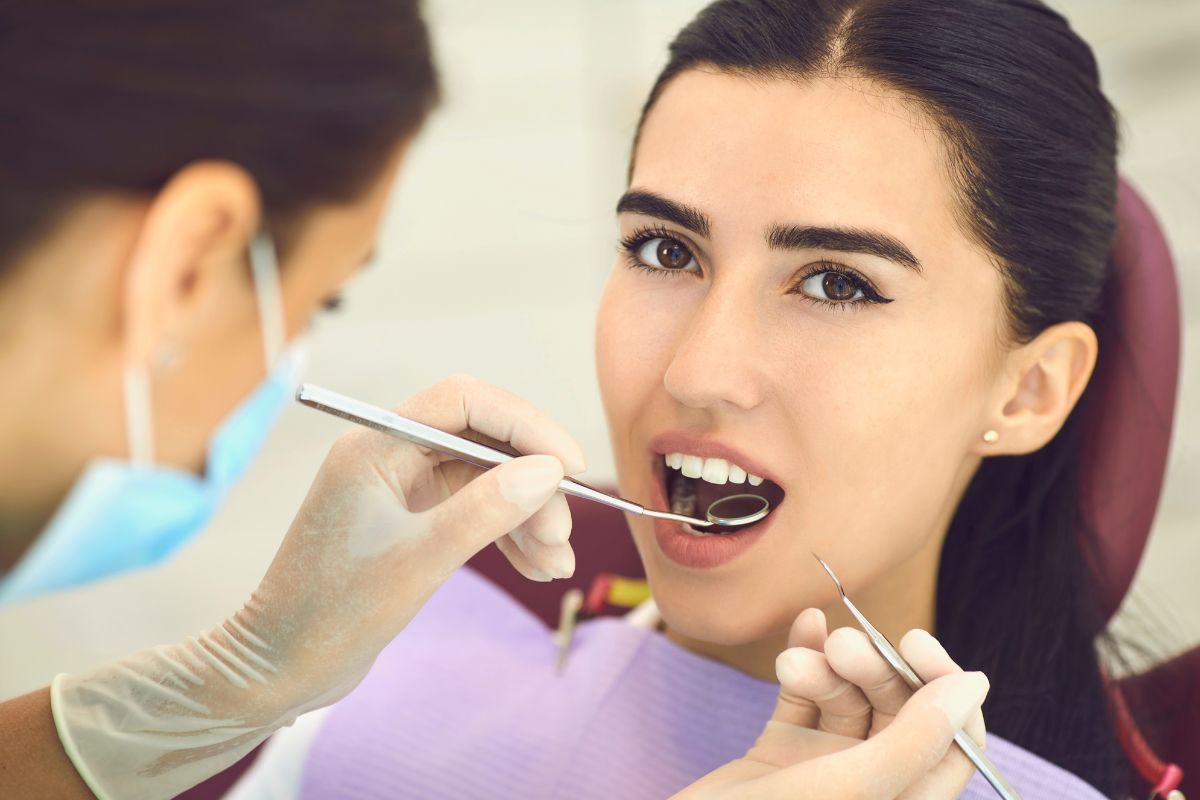
Speech is an essential part of how we communicate, express ourselves and connect with others. But for some, speaking clearly can be a challenge—not because of language skills, but due to orthodontic issues. Problems like gaps between teeth, an open bite or even jaw misalignment can interfere with the way certain sounds are formed leading to speech impediments.
If you or your child are experiencing speech difficulties, orthodontic treatment might be the solution you’ve been searching for. At Bateman Orthodontics, we’re here to explain the connection between your teeth and speech and how orthodontic care can make a difference.
How Orthodontic Issues Cause Speech Problems
The way we speak relies heavily on the positioning of our teeth, jaw, tongue and lips. When teeth are not properly aligned or if there are gaps or spaces then they can obstruct or alter airflow, which is crucial for forming certain sounds. For instance:
- Gaps Between Teeth: Spaces between teeth can cause airflow to escape unintentionally, creating a whistling sound when trying to pronounce “s” or “z” sounds.
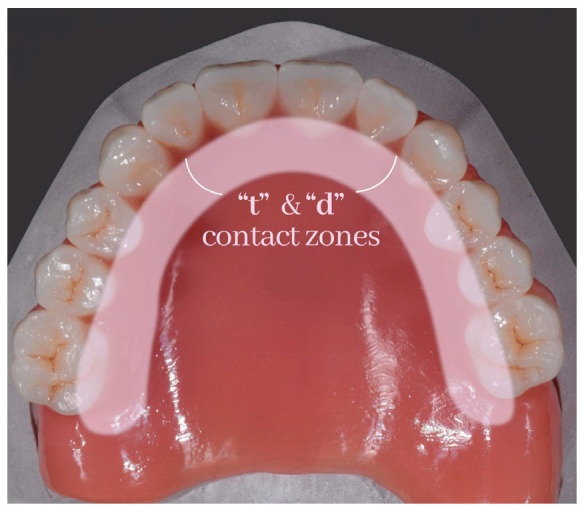
- Open Bite: An open bite where the top and bottom teeth don’t meet when the mouth is closed can make it difficult to properly pronounce sounds like “t” “d” or “n” which require the tongue to press against the teeth.
- Overbites or Underbites: Misaligned jaws can affect the positioning of the tongue, leading to issues with clarity when speaking. For example, overbites may make it hard to pronounce certain consonants.
- Crowded Teeth: When teeth are crowded or overlap, they can restrict tongue movement, which may distort speech patterns.
Common Speech Impediments Linked to Orthodontic Issues
Orthodontic problems often contribute to specific speech impediments, including:
- Lisps: This is one of the most common speech issues linked to dental alignment. Lisps occur when airflow escapes improperly, especially when pronouncing “s” or “sh” sounds.
- Difficulty Articulating Certain Letters: Misalignment of the teeth can make it hard to clearly enunciate certain consonants, such as “t,” “d,” or “r.”
- Mumbling or Slurred Speech: Poor dental alignment may lead to unclear speech or difficulty projecting the voice effectively.
Can Orthodontic Treatment Really Help?
Yes, it can. Our orthodontist specialize in correcting dental and jaw alignment issues, which are often at the root of speech problems. By addressing these underlying causes, orthodontic treatment can improve both dental health and speech clarity. Common orthodontic treatments that help improve speech include:
- Braces: Traditional braces can correct alignment issues like gaps, crowding, or bite problems that interfere with speech.
- Clear Aligners: For those who prefer a more discreet option, clear aligners like Invisalign can effectively address many of the same issues as braces.
- Early Intervention for Kids: For younger patients, early orthodontic care can prevent or minimize future problems, including speech issues.
Why Early Detection Matters
If your child is struggling with speech difficulties, addressing orthodontic issues sooner rather than later is critical. Young bones and teeth are more adaptable, which means that early treatment can produce faster, more effective results. Speech therapy in conjunction with orthodontic care can also help children learn proper pronunciation techniques while their teeth and jaw are being aligned.
Take the First Step Toward Clearer Speech
If you or your child are dealing with speech difficulties related to dental issues, don’t wait to seek help. Schedule a consultation with our orthodontist at Bateman Orthodontics in Rochester today. We’re passionate about helping patients in Rochester and Brockport, NY, achieve healthier smiles—and clearer speech. Our expert team will work with you to create a treatment plan that’s tailored to your unique needs.
Let’s work together to improve your smile—and your speech!
Tags:
Posted on January 23, 2025