AnywhereDolphin™

Search Blog:
Share Article:


Recovery Tips After Surgical Orthodontics
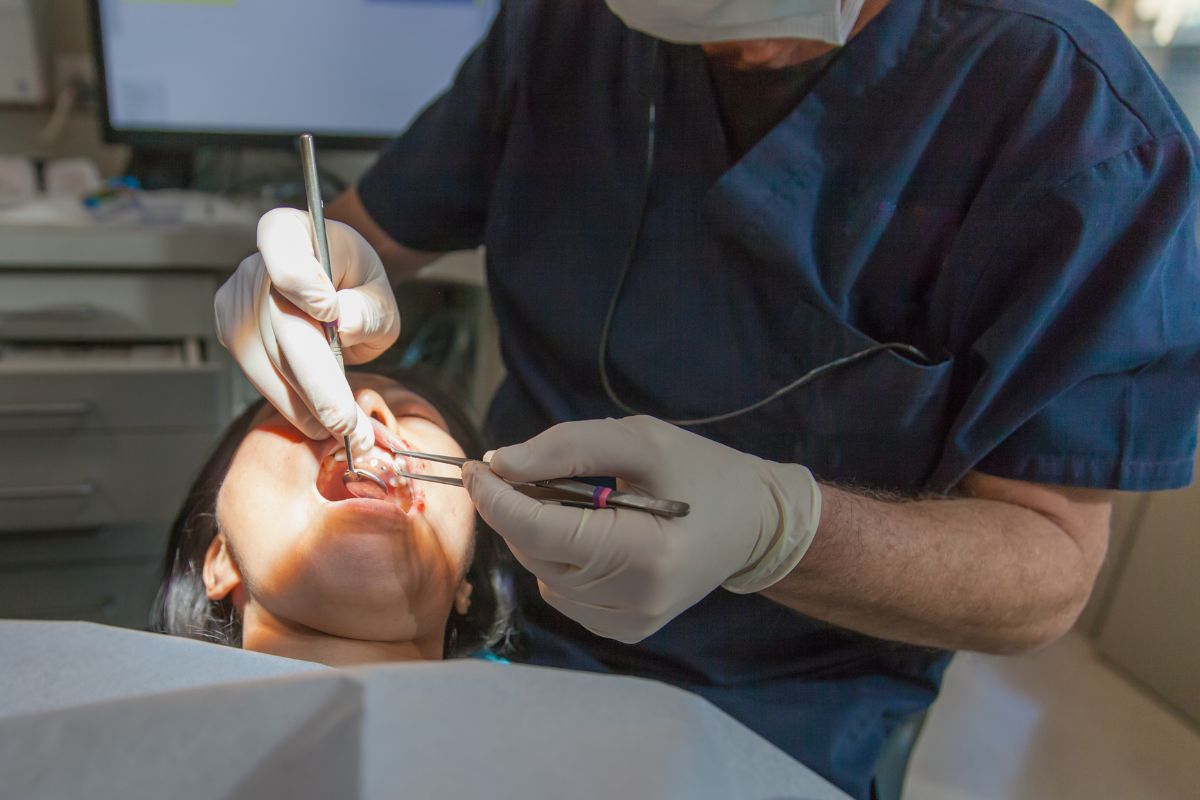
If you have undergone surgical orthodontics, it can be a transformative step toward achieving a healthier smile and better oral function. While the procedure itself marks a significant milestone, the recovery period is equally important to ensure proper healing and optimal results. Whether you’ve just had surgery or are getting ready for it, here’s a helpful guide to assist you through the healing process.
Understanding the Recovery Journey
Healing after surgical orthodontics is a gradual journey, and each person’s experience is different. The first few days may feel a bit overwhelming, but with the right mindset, you can pave the way for a successful recovery. It’s essential to give your body the time it needs to heal and to pay close attention to the care instructions from your orthodontist or surgeon.
Prioritize Rest and Hydration
After your procedure, one of the most crucial things you can do is allow your body to rest. This means not only getting enough sleep but also steering clear of any strenuous activities that could put stress on your jaw or hinder your recovery. Staying hydrated is just as important, as water is vital for tissue repair and overall healing. Start with clear liquids and gradually add soft foods as you start to feel more comfortable.
Nourishing Your Body with the Right Foods
Eating may be a bit difficult at first, but sticking to a soft food diet is essential during the early recovery phase. Foods like yogurt, applesauce, mashed potatoes, and broths are gentle on your healing jaw. Steer clear of anything crunchy, hard, or chewy, as these can interfere with your surgical site. As time goes on, you’ll be able to incorporate more textures into your diet, but always follow your orthodontist’s advice on what’s safe to eat.

Managing Swelling and Discomfort
Swelling is a common part of the healing process, particularly during the first week after surgery. To alleviate this, you can use a cold compress on your face for short periods during the first 48 hours. After that, a warm compress may help reduce any remaining puffiness. Over-the-counter pain relievers or medications prescribed by your surgeon can also assist in managing discomfort.
Stick to Good Oral Hygiene
Maintaining oral cleanliness is vital for a smooth recovery. While brushing may be challenging at first, your orthodontist will likely recommend a specific mouthwash or suggest using a soft-bristled toothbrush to gently clean your teeth and gums. Avoid vigorous rinsing, as this could disrupt the healing process. Consistent oral hygiene helps prevent infections and promotes quicker healing.
Follow Up with Your Orthodontist
Regular follow-up appointments are an essential part of your recovery. These visits allow for monitoring your progress and making any necessary adjustments. If you notice anything unusual, such as excessive bleeding or severe pain, don’t hesitate to reach out before your next scheduled visit.
Be Patient with the Process
Healing after surgical orthodontics takes time. It’s normal to experience ups and downs during recovery, but being patient and consistent with your care routine will ultimately be beneficial. Celebrate small milestones, like enjoying your favorite soft food again or noticing less swelling, as these indicate you’re making progress.
Embrace the New You
As you recover, you’ll begin to see the positive changes that surgical orthodontics has made to your smile and overall oral health. It’s a journey that requires commitment, but the results are worth every effort. Take time to care for yourself, lean on your support system, and remember that each day brings you closer to your goal.
Tags:
Posted on December 20, 2024