AnywhereDolphin™

Search Blog:
Share Article:


Signs Your Child May Need Early Orthodontic Intervention
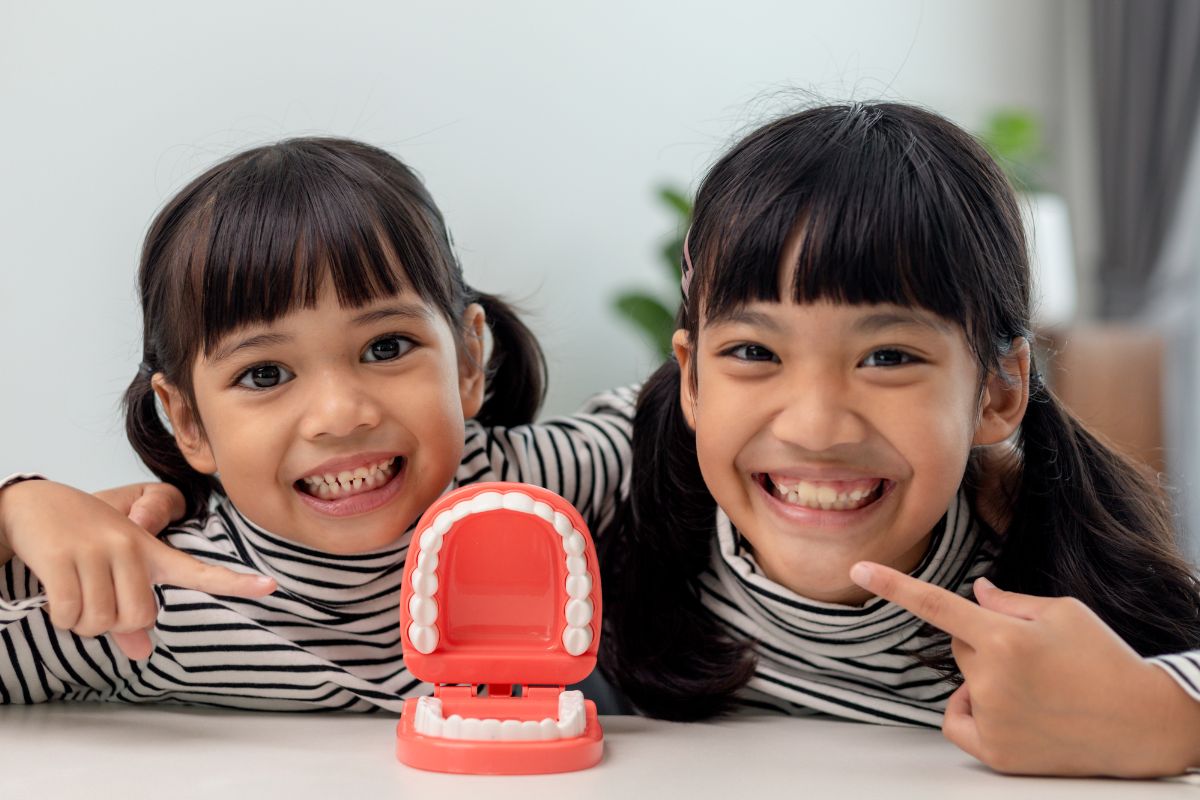
As parents, it’s natural to want the best for your children, and their dental health is no exception. One area often overlooked in early childhood is orthodontic health. Many people think this treatment is only for teenagers, but early intervention can prevent more complex issues down the line. Identifying potential orthodontic problems at a young age can help your child achieve a healthier smile more easily and with fewer complications.
Early orthodontic intervention can guide the growth of a child’s jaw, address developmental issues, and improve the alignment of their teeth. But how do you know if your child needs this kind of treatment?
- Early or Late Loss of Baby Teeth
One of the most visible signs that a child might need early orthodontic care is the timing of their baby teeth loss. Most children start losing their baby teeth around age six, and this process continues until their early teens. If your child loses their baby teeth earlier or later than the usual timeline, it could be a sign of underlying dental issues that may affect the alignment of their permanent teeth.
Orthodontic treatment during childhood can help guide the development of permanent teeth and ensure that they come in properly. If you notice that your child is losing baby teeth at an unusual rate, it may be a good idea to consult an orthodontist to see if early treatment is necessary.
- Difficulty Chewing or Biting
Another clear indication that your child may need early early treatment is difficulty when chewing or biting into food. This can be a result of a misaligned bite or crowded teeth, which can cause discomfort or even pain when eating. If your child frequently struggles with chewing, complains of discomfort while eating, or avoids certain foods due to difficulty biting, these could be warning signs of an orthodontic problem.
In such cases, early intervention can help correct bite issues and prevent future complications, such as uneven tooth wear or jaw pain. Addressing the issue can help your child enjoy mealtimes without discomfort.
- Speech Problems
The alignment of a child’s teeth and jaw can also affect their ability to speak clearly. If your child has difficulty pronouncing certain sounds, it might be due to misaligned bite or crowding of the teeth. While some speech issues may resolve on their own as your child grows, others may persist.
An orthodontist can help identify if your child’s speech difficulties are linked to dental alignment problems. Early care can make a significant difference in your child’s speech development and overall confidence.
- Crowded or Misaligned Teeth
Crowding or misalignment of teeth is one of the most common reasons children. While it’s normal for baby teeth to have spaces between them, permanent teeth that grow in crowded, can lead to various dental issues. Crowded teeth can be harder to clean properly, increasing the risk of cavities and gum disease. They can also contribute to jaw pain and uneven tooth wear.
If you notice your child’s teeth are coming in crooked or overlapping, consult with an orthodontist. Early treatment can guide tooth development and provide a more attractive and healthy smile as they grow.
- Thumb Sucking or Other Oral Habits
Thumb sucking and other oral habits, like tongue thrusting or prolonged pacifier use, can affect the growth of a child’s teeth and jaw if they continue beyond the toddler years. These habits can cause the front teeth to become misaligned or lead to the development of an open bite, where the upper and lower teeth don’t meet properly when the mouth is closed.
If your child continues these habits beyond the age of four or five, it’s important to monitor how it’s affecting their dental development. Early intervention may be necessary to correct any issues that have developed from prolonged thumb sucking or other habits.
- Jaw Problems or Pain
Jaw issues, such as an underbite, overbite, or crossbite, can become more serious if left untreated. If you notice that your child’s jaw appears to protrude, recede, or shift when they chew or speak, these could be signs of misalignment. In some cases, your child may even complain of jaw pain, especially when chewing.
These issues may worsen over time if not addressed. Early orthodontic treatment can help guide the growth of the jaw and prevent more severe problems in the future.
- Mouth Breathing
Breathing through the mouth instead of the nose can be another sign of orthodontic problems. Mouth breathing, especially during sleep, may indicate that your child’s jaw or palate is not developing properly, leading to issues with their airway. This can affect both their dental health and overall well-being. Early intervention can address underlying structural issues and improve both dental and respiratory health.
The Importance of Early Orthodontic Evaluation
While it may not be obvious to parents, orthodontic issues can begin to develop at a young age. The American Association of Orthodontists recommends that children have their first orthodontic evaluation by age seven. This helps to assess whether early intervention is necessary to guide the growth of your child’s teeth and jaw.
By identifying and addressing potential problems early, you can help ensure your child has a healthy, beautiful smile for life. Even if no immediate treatment is needed, regular check-ups can monitor your child’s dental development and provide peace of mind.
Conclusion
Your child’s dental health is essential to their overall well-being, and early orthodontic intervention can help prevent more complicated issues as they grow. Whether it’s addressing crowded teeth, bite problems, or habits like thumb sucking, taking action early can make treatment easier and more effective.
At Bateman Orthodontics, we specialize in providing high-quality orthodontic care in Rochester, NY for both children and adults. If you find your child may need early care, don’t hesitate to schedule a consultation with our experienced team. We’re here to help your child achieve a healthy, confident smile. Contact us today to learn more!
Tags:
Posted on September 24, 2024