AnywhereDolphin™

Search Blog:
Share Article:


Braces and Beyond: Your Guide to Modern Orthodontic Care
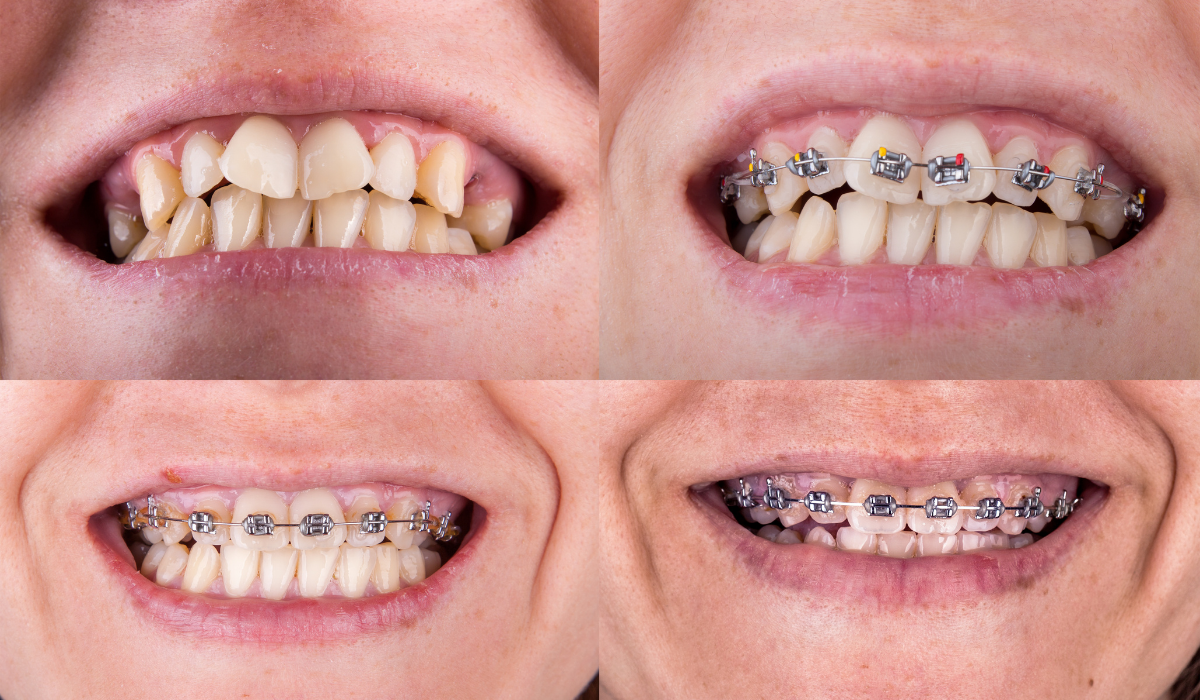
Orthodontic care today looks nothing like it did twenty years ago. Bulky metal brackets and long wait times have given way to sleeker materials, digital scanning, and treatment plans built around your actual life, not just your teeth. If you have been comparing braces in rochester or wondering what modern treatment really involves, this guide walks through the full picture, from your first exam to the retainer that keeps your results in place.
At Bateman Orthodontics, we work with patients of every age across Brockport, Greece, and Irondequoit, and one thing stays true no matter the treatment: good orthodontic care should fit your life, not disrupt it. Here is what that looks like in practice.
How Orthodontic Treatment Has Changed
Traditional braces still work well, and they remain the right choice for many cases. What has changed is everything around them. Digital scanners have replaced messy impression trays. Custom treatment planning software maps out tooth movement before treatment even starts. Materials are gentler on gums and cheeks, which means fewer sore spots and shorter adjustment appointments.
These changes matter because they make treatment more predictable. Your provider can show you a rough picture of your results early on, and adjustments happen with more precision. For patients weighing an orthodontist in rochester for the first time, this predictability often makes the decision easier.
Traditional Braces: Still a Reliable Choice
Metal and ceramic braces use brackets and wires to guide teeth into position over time. They remain the most effective option for complex cases, including significant crowding or bite corrections that need close control.
Modern versions are smaller and less noticeable than older styles. Ceramic brackets blend in with tooth color for patients who want a lower profile look without switching treatment types entirely. Many patients who first ask an orthodontist in rochester about braces are surprised by how much smaller and more comfortable modern brackets have become compared to what they remember from childhood.
Self-Ligating Braces: A Quieter Upgrade
Self-ligating braces work like traditional braces but skip the small elastic ties that hold the wire in place. Instead, a built-in clip secures the archwire directly to the bracket. This can mean less friction, fewer adjustment visits, and a bit more comfort throughout treatment.
They are not automatically better for every case, but for many patients they offer a smoother day-to-day experience. Your provider can tell you quickly whether this option fits your specific bite and goals.
Clear Aligners: Straightening Without the Look of Braces
Clear aligners have become one of the most requested options among teens and adults. Custom-made trays gradually shift teeth into place and are swapped out every one to two weeks. Because they are removable, eating and cleaning stay simple throughout treatment.
Aligners work well for mild to moderate cases involving crowding, spacing, and some bite issues. More complex cases may still call for traditional braces, or a combination approach. A short consultation is the easiest way to know which path fits your case.
Comparing Your Main Options
Since these three paths come up in almost every conversation, here is a simple side-by-side to help you weigh them.
| Option | Best For | Visibility | Daily Upkeep |
| Traditional Braces | Complex or severe cases | Noticeable | Low, fixed in place |
| Self-Ligating Braces | Moderate cases wanting fewer visits | Noticeable, sleeker | Low, fixed in place |
| Clear Aligners | Mild to moderate cases | Nearly invisible | High, must wear 20-22 hrs daily |
None of these options is universally “best.” The right fit depends on your bite, your goals, and how much daily discipline you want to commit to. Any experienced orthodontist in rochester should be willing to walk through the trade-offs of each option honestly, rather than pushing one path over the others.
What a Modern Treatment Journey Looks Like
Getting started is more straightforward than many people expect. Most treatment plans follow a similar path.
- Initial exam and digital scan. X-rays and 3D imaging map your bite and jaw structure without messy molds.
- Custom treatment plan. Your provider walks through your options and what results to expect.
- Fitting. Braces are bonded, or your first set of aligner trays is provided.
- Regular check-ins. Visits every four to eight weeks track progress and make adjustments.
- Retention. Once treatment ends, a retainer holds your results in place for the long run.
Total treatment time depends on your case. Simpler corrections can finish in six months, while more involved plans may take a year and a half or longer. Skipping the retention phase is the single biggest reason results shift back after treatment ends.
Who Modern Orthodontic Care Is For
One of the biggest shifts in the field is who seeks treatment. Orthodontic care used to be seen as something mainly for kids and teens. Today, adults make up a large and growing share of patients, often correcting issues that went untreated years ago or addressing shifting that happened naturally with age.
Whether you are a parent scheduling your child’s first evaluation or an adult finally addressing a bite you have lived with for years, the process starts the same way: an honest exam and a clear plan. This shift is one reason so many adults are now searching for braces in rochester alongside teens and younger patients, rather than assuming treatment is only for kids.
Questions Worth Asking at Your Consultation
A good first visit should feel like a real conversation, not a sales pitch. Once you have narrowed down an “orthodontist near me” search to a few practices, a few questions can help you get the most out of that first visit:
- What treatment options actually fit my specific case?
- How long is treatment expected to take, realistically?
- What does the retention phase look like once treatment ends?
- Are there any lifestyle factors, like sports or instruments, that might affect my choice?
- What does the full cost include, and what payment options are available?
A provider who answers these clearly, without rushing you toward one option, is usually a good sign you are in the right place.
Know Our Orthodontists
Every treatment plan starts with the people behind it. Here is a closer look at our team.
Dr. Jeremy Bateman earned his Bachelor of Arts in Biological Sciences and Master of Science in Oral Sciences from SUNY Buffalo, then completed his Doctorate of Dental Medicine at Temple University, graduating as valedictorian on a military scholarship. He finished his orthodontic training at Wilford Hall Medical Center and served seven years in the U.S. Army, reaching the rank of Major, later teaching orthodontic residents at Womack Army Medical Center. With more than 15 years of experience, he stays current on new techniques and technology so every patient gets an efficient, comfortable treatment plan built around real results.
Dr. Ben Levenson grew up in Longmeadow, Massachusetts, and studied chemistry at Syracuse University, graduating with honors, before completing his dental education at the University of Maryland School of Dentistry. He is a board-certified orthodontist through the American Board of Orthodontics and holds memberships with the American Association of Orthodontists and the New York State Dental Association, among others. Dr. Levenson focuses on Invisalign, early orthodontic care, and complex bite correction, building each plan around the patient’s actual goals rather than a one-size-fits-all approach.
Together, they lead a team that has guided patients through every kind of orthodontic care across Brockport, Greece, and Irondequoit. If you are still comparing every “orthodontist near me” result before deciding, a short visit with our team is the fastest way to get real clarity.
What Our Patients Say
Reviews from real patients tell the story better than any marketing copy can.
“We Love Bateman Orthodontist! Dr. Fox is amazing! We are on the 3rd person in our family to get brace.”
★★★★★ (Karen Antonow)
Feedback like this reflects what modern orthodontic care is really about: the technology has changed, but the trust and consistency patients count on has stayed exactly the same.
Choosing What’s Right for You
There is no single best option for every patient. Someone with a demanding job that involves public speaking may lean toward clear aligners for a lower profile. A patient with a complex bite issue may need the added control of traditional braces. A teenager still growing may benefit from early guidance that an adult would not need at all.
According to the American Association of Orthodontists, a hands-on evaluation remains the only reliable way to match a patient with the right treatment path. That guidance shapes every plan our team builds, whether it’s for braces in rochester or a full course of clear aligner treatment.
Ready to Start Your Own Journey?
Modern orthodontic care gives you more choices than ever, but choice only helps when it is backed by a clear, honest plan. Our team at Bateman Orthodontics has spent years helping patients across Brockport, Greece, and Irondequoit navigate exactly that, whether they need traditional braces, self-ligating options, or clear aligners.
If you are ready to see what your options actually look like, request an appointment with our team today. And if you are still typing “orthodontist near me” while weighing your choices, we would love the chance to show you what a straightforward, modern treatment plan can look like.
Frequently Asked Questions
1. How do I know which treatment option is right for me?
A full exam with X-rays and digital scans is the most reliable way to compare your options based on your specific bite and goals.
2. Is treatment painful?
Most patients feel mild pressure or soreness for a few days after adjustments, which typically fades quickly on its own.
3. Can adults still get braces or aligners?
Yes. Adults make up a large share of orthodontic patients today, and treatment works well at any age.
4. How long does treatment usually take?
It depends on the case. Simple corrections may finish in six months, while more involved plans can take 18 months or longer.
5. Do I need to wear a retainer forever?
Most people wear a retainer nightly for the first year, then reduce to a few nights a week after that, based on their provider’s guidance.
6. Will insurance help cover the cost of treatment?
Many dental insurance plans offer partial coverage for orthodontic care. Your provider’s office can help confirm your specific benefits.
7. Are self-ligating braces better than traditional braces?
They are not automatically better, but many patients find them more comfortable with fewer adjustment visits.
8. How often will I need to visit the office during treatment?
Most treatment plans involve check-ins every four to eight weeks, depending on the type of treatment and how your case is progressing.
Ready to explore your options for a healthier, straighter smile? Contact Bateman Orthodontics in Brockport, Greece, or Irondequoit to schedule a consultation today.
Posted on December 8, 2023